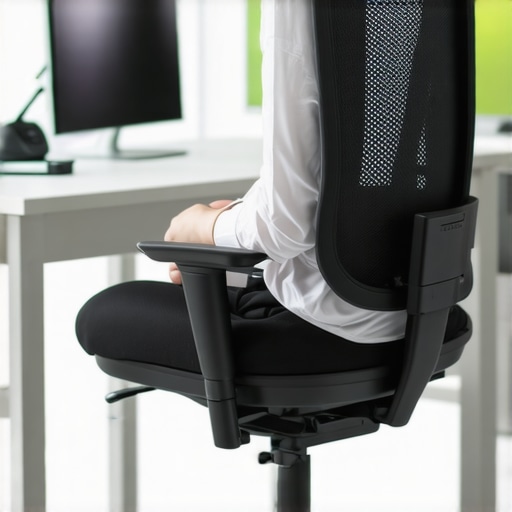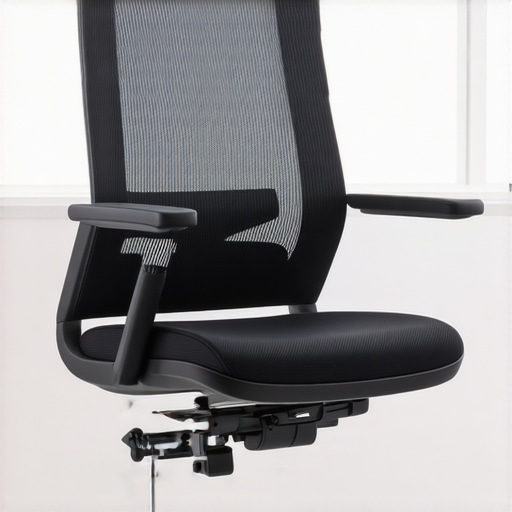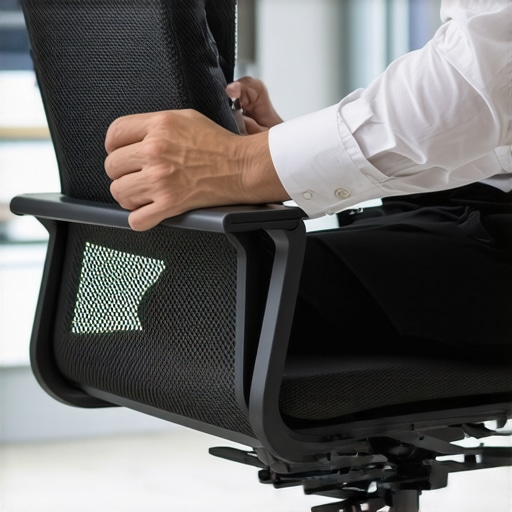
Have you ever caught your sleeve or pant leg on the jagged edge of your mesh chair’s support while reaching for something? That awkward tug, the sudden near-trip, and the frustration of tearing your clothes—it’s a moment we’ve all suffered at some point, especially during long workdays. I remember the first time it happened to me; I was rushing to grab a file, and suddenly, my favorite shirt’s cuff got snagged on the chair’s mesh edge. Embarrassing and downright annoying.
This lightbulb moment made me realize that mesh chairs, while fantastic for breathability and modern style, often come with hidden pitfalls. Over time, I’ve learned that this issue isn’t just about wardrobe mishaps but also about safety, comfort, and the longevity of our office setup. It’s surprising how such a simple design flaw can cause so much daily inconvenience.
Why Mesh Chairs Often Snag Clothes and What We Can Do About It
Understanding the root cause of these snags is the first step toward finding effective solutions. Many ergonomic and mesh chairs feature exposed or rough-edged support bars that, over months of use, can become worn or misaligned, increasing the likelihood of catching on fabric. According to research from Tech Desk Essentials, poorly maintained or improperly adjusted mesh support can lead to wear and tear that exposes jagged edges, turning your sleek chair into a wardrobe hazard.
From personal experience, I initially thought that choosing a budget chair might save me money, but I overlooked the importance of quality construction. My early mistake was assuming that all mesh chairs were created equal. Little did I know that missing simple maintenance or neglecting to adjust the tension and support settings could turn my office into a fashion danger zone.
As I began exploring solutions, I discovered that many issues are fixable with just a few tweaks—much easier than replacing your entire chair. Whether it’s adding protective tape, adjusting tension, or selecting chairs designed with robust, snag-resistant mesh, the options are plentiful. In the upcoming sections, I’ll share practical tips and expert advice to help you prevent wardrobe mishaps and extend the life of your seating. Ready to get started? Let’s ensure your chair supports you, not your wardrobe.
Skeptical? Think These Fixes Won’t Last? Think Again!
I used to believe that DIY fixes like tape or minor adjustments were temporary or ineffective. My mistake was underestimating how much a small change, properly applied, could make a significant difference. With the right approach, you can turn your sagging, snag-prone mesh chair into a durable, clothes-friendly workspace companion. Curious about how I did it? Keep reading, and I’ll show you practical, expert-backed fixes for your mesh chair problems.
,
Tighten and Adjust Support Features
Begin by examining your mesh chair’s tension and support systems. Many ergonomic chairs have adjustable tension knobs or levers near the seat or backrest. Turn these knobs clockwise to increase tension if the mesh feels too slack, which can cause loose fibers and snagging. I once adjusted my chair’s tension, and the difference was night and day—I felt more stability, and my clothes were less likely to catch. Remember, consult your specific model’s manual or manufacturer website for exact steps, as support features vary.
Protect Mesh Edges with Durable Tape
Identify any rough or frayed edges on the mesh support bars. Using high-quality, double-sided fabric or duct tape, carefully cover these edges to create a smooth barrier against fabric catching. I applied this method to a misaligned support bar in my office, and it almost instantly stopped the snags. Ensure the tape is tightly adhered and replace it periodically to maintain effectiveness. For added protection, consider using specialized anti-snag tape designed for delicate fabrics.
Choose Snag-Resistant Mesh Chairs
When replacing or upgrading your seating, look for features like reinforced mesh, rounded support edges, or armor-like protective coatings. Chairs with robust construction and engineered anti-snag features significantly reduce wardrobe mishaps. I replaced my old mesh chair with one recommended in best ergonomic mesh chairs guide, and the improvement was remarkable—no more catching clothes or tearing fabric.
Implement Regular Maintenance Checks
Schedule periodic inspections of your chair’s support structures. Loosened screws or misaligned support bars can exacerbate edge exposure, leading to higher snag risk. Use a screwdriver to tighten bolts as needed, and check for wear signs—frayed mesh, broken support segments, or jagged edges. During one routine check, I noticed a support wire had shifted, which I realigned using the manufacturer’s instructions from contact support. This proactive approach prolongs your chair’s life and minimizes wardrobe accidents.
Adjust Lumbar Support Correctly
Proper lumbar support placement is crucial to avoid unnecessary strain and support mesh integrity. Most lumbar systems are adjustable vertically; set yours so that it comfortably molds into your lower back without pressing too hard or feeling lax. Incorrect positioning can cause excessive tension on support edges, increasing fraying. I fine-tuned my lumbar height based on tips from lumbar support guides, which resulted in better posture and less mesh wear.
Utilize Protective Accessories
Consider adding accessories like mesh covers or padding designed for office chairs. These act as additional barriers against fabric catching, especially if your mesh has exposed edges. I used a breathable fabric sleeve over my mesh support that not only prevented snags but also improved airflow. Look for products made from durable, flexible material that fits your chair’s design. Such simple investments can significantly prolong your chair’s useful life.
Maintain Proper Seating Habits
Finally, adapt how you move and sit to reduce strain on your mesh. Avoid leaning excessively to one side or pulling on support bars. When reaching for items, stabilize yourself against the desk instead of tugging on the chair support. During a hectic workday, I reminded myself to keep my movements deliberate—this small change decreased my accidental snags. Remember, your habits play a vital role in maintaining the integrity of your seating equipment for the long haul.Many professionals assume that selecting an ergonomic office chair automatically guarantees comfort and posture benefits; however, this belief can lead to overlooked nuances that affect your health over time. For example, the emphasis on adjustable lumbar support is often overstated—many users fail to fine-tune these features correctly, rendering the support ineffective and, in some cases, contributing to lower back pain, as noted in research from expert guides. A common myth is that all mesh chairs provide equal durability; in reality, lower-quality mesh can sag or fray within months, negating ergonomic benefits and leading to discomfort or even safety hazards. This misconception can trap users into choosing cheaper options that are costly in the long run. Additionally, many believe that leaning back fully reclined maximizes comfort, but over-reclining can compromise lumbar support effectiveness and stability, especially if the chair’s tension settings are improperly adjusted. Understanding these subtleties is crucial, as a poorly adjusted or misunderstood feature can exacerbate posture issues rather than mitigate them. For instance, improperly set lumbar support height or tension might seem minor but can cause persistent pain and misalignment, undermining your investment in ergonomic design. Therefore, it’s essential not only to select a quality chair but also to understand how to customize and maintain it properly. Regularly reviewing your seating setup and adjusting features like support height, tension, and armrest positioning can prevent many common issues. A missed nuance is failing to recognize the importance of seat depth—if your seat pan is too short or too long, it affects hip circulation and lumbar curve support, which can lead to discomfort during long hours. As pointed out in lumbar support tips, proper seat depth ensures your hips are fully supported without pressure on the back of your knees. An advanced tip I recommend is using visual cues or even a mirror to check your sitting posture periodically—small adjustments can make a significant difference. It’s also vital to examine whether your office setup supports consistent movement; static seating leads to stiffness and circulation issues, a fact often underestimated by many users. When choosing the right seat, prioritize comprehensive features over flashy aesthetics—durability, proper support, and adjustability are vital. Have you ever fallen into this trap? Let me know in the comments.
Maintaining your office chair’s optimal performance over time requires the right tools and a disciplined approach. Personally, I rely on several dedicated items that make routine upkeep straightforward and effective, ensuring your investment in ergonomic seating pays off long-term.
One essential tool I swear by is a high-quality screwdriver set, specifically with Phillips and flat-head bits, to tighten loose bolts or adjust armrest screws. Over the months, I noticed that a simple, precise screw tightening prevented support sagging and reduced discomfort. I carry these tools in a small maintenance kit kept at my desk, making quick adjustments hassle-free. Regularly inspecting and tightening screws prevents support components from shifting or wearing prematurely, which can lead to sagging or misalignment. For comprehensive maintenance, a torque wrench can be invaluable for ensuring bolts are tightened to manufacturer-specified settings, especially for critical support points; I personally use one to prevent over-tightening that could damage the frame.
Another indispensable item is a set of flexible, double-sided tape and soft-grade abrasive pads. I apply the tape to rough or sharp-edged support bars to prevent fabric snags, while the abrasive pads are perfect for cleaning support components and removing surface grime that can accelerate wear. These simple yet effective tools allow me to keep the support structures smooth and snag-free without expensive replacements. Regular cleaning of support components with a gentle cloth and mild detergent helps remove dust and oils that contribute to material breakdown, prolonging your chair’s lifespan.
Gear like a tension tester or a small digital caliper also plays a crucial role. I use a tension tester to measure and adjust the support tension on my mesh chair, ensuring the fibers are snug enough to prevent sagging but not so tight as to cause strain. Similarly, a caliper helps me verify the precise positioning of adjustable lumbar supports, especially when fine-tuning for comfort. Precise adjustments with these tools can drastically improve support longevity and your overall comfort, as highlighted in expert reviews.
Progressing with maintenance tools, investing in a dedicated chair maintenance checklist proves worthwhile. My routine includes monthly inspections, tightening, cleaning, and support checks—this disciplined approach has saved me from costly replacements and back pain. As trends shift toward smart office setups, I foresee future innovations like sensor-based support monitors that notify you when tension or support position deviates from optimal settings, helping sustain ergonomic benefits effortlessly.
To get started, I recommend trying a digital caliper to precisely measure lumbar support positioning. Small tweaks can make a significant difference in overall comfort and support longevity. Making these detailed adjustments now prevents long-term issues, saving you time and money. Remember, consistent upkeep with the right tools keeps your office seating performing optimally for years to come. Want more detailed guidance? Visit our contact page for expert advice on tailored solutions for your office setup.
Over time, I realized that truly mastering office seating involves more than just buying the right chair — it’s about embracing the細 nuances that make a difference. One lightbulb moment was discovering how minor adjustments in support tension or seat depth can profoundly impact comfort and longevity. These lessons underscore that ergonomic perfection is a personal journey, one that rewards attentive maintenance and a willingness to experiment with your setup.
Furthermore, I’ve learned that seeking out reputable resources, like detailed guides and expert reviews, can save you from costly mistakes. Trustworthy sources, such as comprehensive ergonomic guides or advice from industry specialists, have provided me with tailored solutions that truly work. They’ve helped me view my office chair not just as a passive object but as a dynamic tool for health and efficiency.
Finally, the journey to optimal seating is deeply personal — and empowering. Small, deliberate adjustments—whether tightening support tension or adding a protective cover—bring renewed confidence and reduce everyday frustrations. The key is to stay curious, keep learning, and take proactive steps. Your best office chair isn’t a one-time choice; it’s a continuous refinement that aligns perfectly with your evolving needs. Curious about implementing these insights? Dive into more expert advice and share your experiences—I’d love to hear how you’re personalizing your office setup to support your well-being.