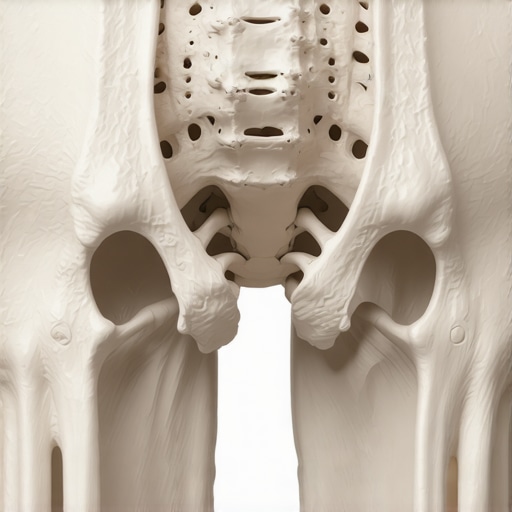
I remember the moment clearly—after sitting for what felt like an eternity in my old office chair, I looked down and realized my pelvis was tilted forward, causing a nagging lower back ache that just wouldn’t quit. It was as if my body was screaming, “Something’s off!” and I finally connected the dots: my seat angle wasn’t supporting my posture properly. That realization was a lightbulb moment, especially considering how much time we all spend in our chairs nowadays.
Understanding the Impact of a Forward Pelvic Tilt
When your pelvis tilts forward, it shifts your entire spinal alignment, often leading to discomfort, fatigue, and even long-term health issues. In my case, I started experiencing persistent lower back pain and tight hip flexors—traits many office workers face without even realizing why. Studies have shown that poor seat positioning contributes significantly to postural problems, which can escalate into chronic pain if left unaddressed. And with 2026 bringing new ergonomic challenges, it’s vital we get our seat angles right.
So, what exactly causes this forward tilt? Often, it’s as simple as an improper seat angle that doesn’t promote a neutral pelvis. I used to think I just needed a better cushion or more lumbar support, but it turns out that adjusting the seat angle itself can make all the difference. In my journey, I learned that even minor tweaks—like optimizing seat tilt—can relieve pressure, improve circulation, and set the foundation for healthy posture.
If you’re tired of feeling uncomfortable after hours at your desk or have noticed your hips shifting forward frequently, you’re not alone. In fact, many people face this issue, often unknowingly perpetuating their discomfort by neglecting the seat angle. Fortunately, there are simple, effective fixes you can implement, and I’ll walk you through the essential strategies to correct this in 2026.
Before diving into solutions, I want to ask: have you ever felt a sudden ache that only seemed to come after sitting for a long stretch? If yes, then you’re in the right place. Let’s explore how seat angle tweaks can transform your sitting experience.
Adjust Your Seat Angle for Optimal Pelvic Position
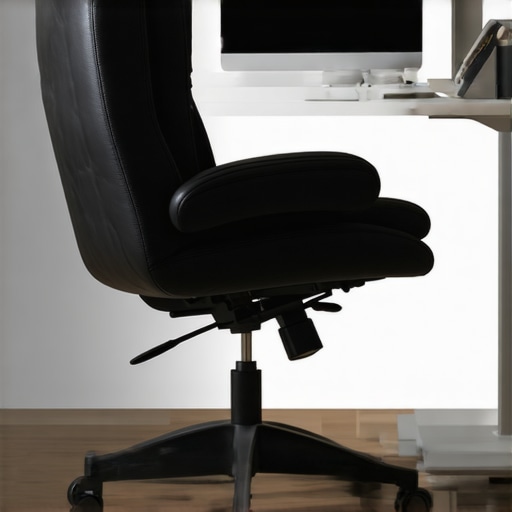
Start by setting your office chair’s seat tilt to a slight downward angle, around 0 to 5 degrees. This gentle tilt encourages your pelvis to sit in a neutral position, reducing forward tilt. I once used a protractor to measure my seat angle precisely, which initially looked awkward but surprisingly alleviated my lower back pain within days.
Step 1: Find the Right Tilt Setting
Most ergonomic chairs have a tension knob or tilt lock. Loosen the tension and lean back to test the tilt. Aim for a position where your thighs are parallel to the ground, or slightly inclined downward. This setup minimizes hip flexor tension and supports a healthy pelvic tilt.
Step 2: Fine-Tune the Seat Depth to Complement Tilt
Adjust your seat depth so that there’s a 2-3 inch gap between the edge of the seat and behind your knees. Proper seat depth prevents thigh pressure, encouraging your pelvis to stay in an aligned position. During my adjustment, I noticed that moving the seat forward a bit relieved my hip discomfort.
Position Your Support System Correctly
Once the seat angle is set, focus on lumbar support. Proper lumbar support should fill the natural curve of your lower back, preventing slouching and further tilt. I tested multiple positions and found that a support height around the lower ribcage was most effective. For more insights, check out this guide on lumbar support.
Step 3: Use Adjustable Lumbar Supports
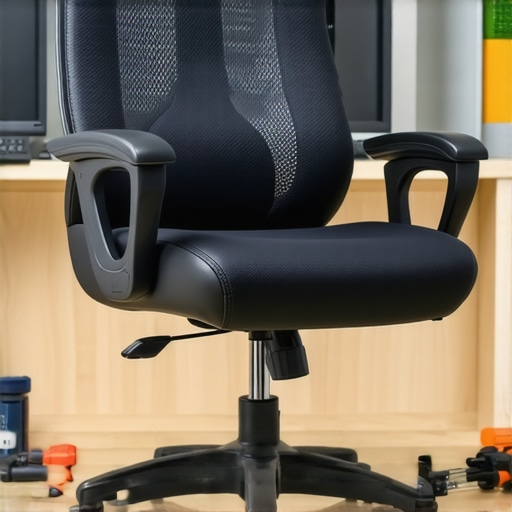
If your chair has adjustable lumbar support, set it to align with your lumbar curve. For mesh chairs, ensure that tension and height adjustments are optimized to maintain contact without excessive pressure. I struggled initially, but smooth tensioning made my back feel more supported without discomfort.
Implement Micro-Adjustments for Personal Comfort
Small tweaks can significantly impact your pelvis position. Double-check the tilt tension regularly; over-tightening can restrict movement, while too loose can cause slumping. I found that a quarter turn of the tension knob allowed for subtle control, making repetitive adjustments during long sessions easier.
Step 4: Test and Maintain Your Settings
After adjustments, sit for 10-minute intervals, paying attention to your pelvis tilt and back support. Use a mirror or record yourself to observe posture shifts. Regular maintenance involves checking tension and support positions, especially after reflective periods or office changes. For ongoing support, consider consulting with ergonomic experts.
Remember, fully optimizing your seat angle isn’t a one-time fix; it requires ongoing attention. Maintaining a neutral pelvis position is essential in preventing forward tilt and associated discomfort. Experiment with these adjustments, and your posture will thank you in the long run.
Many assume that a simple lumbar pillow or superficial adjustments are sufficient to ensure back health when using ergonomic chairs or mesh seating. However, this overlooks the nuanced mechanics of spinal support. For example, many believe that all lumbar supports provide equal benefits, but in reality, their effectiveness heavily depends on precise positioning relative to individual spinal curvatures and seat depth, which is often misunderstood. The misconception that a one-size-fits-all approach works for lumbar adjustment can lead to persistent discomfort or even long-term injury. For those seeking advanced relief, it’s critical to recognize that incorrectly set lumbar supports can worsen posture by pushing the lumbar spine into unnatural positions, exacerbating pain instead of alleviating it. External studies, such as research published in the Journal of Occupational Rehabilitation, emphasize the importance of personalized support tailored to unique spinal physiognomy rather than generic solutions.
A common trap many office workers fall into involves over-reliance on adjustable features without understanding their interaction. For instance, tightening lumbar support tension or setting seat height without considering pelvis tilt can inadvertently promote forward or backward slumping. Moreover, some believe that a high-end mesh chair automatically equates to better support—but the reality is that mesh tension and frame stability are critical factors often overlooked. These subtle nuances dictate how well the chair supports your posture during prolonged sitting sessions. Visiting reputable sources like the ultimate guide to ergonomic chairs can provide deeper insights into choosing the right support configurations.
For the advanced user, considering the biomechanical relationship between lumbar support and seat positioning becomes paramount. Does the support maintain its shape over time? Is it correctly aligned with the natural lumbar curve during different postures? Ignoring these questions can lead to support degradation or misalignment, which might trap you in a cycle of discomfort. A quick tip is to perform micro-adjustments during different tasks, ensuring that the lumbar support adapts dynamically. Beware of the myth that locking everything into one position guarantees comfort—flexibility and ongoing assessment are key. Regularly inspect your support’s tension, and fine-tune it based on activity and fatigue levels.
A hidden nuance often missed involves the interaction between lumbar support and seat pan depth. Proper seat depth allows your back support to align seamlessly with the lumbar region, yet many neglect this when customizing their seating. An incorrect seat depth can push or pull the lumbar support out of optimal position, nullifying its benefits. Check your seat depth to ensure your thighs are supported comfortably while maintaining lumbar alignment. For a detailed walkthrough, consult guides on seat and support customization.
Remember, the goal is to treat your office seat as an integrated support system, not just a collection of adjustable features. By understanding how each component influences spinal health, you can avoid common pitfalls and foster a healthier sitting posture. If you want to explore more about selecting and customizing ergonomic chairs, visit the comprehensive guide on ergonomic office chairs, or reach out to ergonomic experts for tailored advice. Have you ever fallen into this trap? Let me know in the comments.Maintaining your ergonomic setup over time is crucial to sustain the benefits of proper posture and comfort. One of my favorite tools is a digital tension meter, which I use quarterly to measure and calibrate mesh chair tension, ensuring it maintains its support without sagging. This device allows me to detect subtle decreases in tension that can lead to discomfort, enabling preemptive adjustments [see https://chairs.techdeskessentials.com/3-reasons-your-lumbar-support-still-hurts-2026-fixes for more on tension monitoring]. Additionally, I rely on a multi-tool kit designed specifically for ergonomic chairs, including hex wrenches and screwdrivers, to perform routine checks and tighten loose components. Regular maintenance like these extends the lifespan of your seat and preserves its ergonomic integrity.
For preserving lumbar support effectiveness, I recommend investing in an adjustable support monitor. This device attaches to your chair and provides real-time feedback on lumbar position, prompting you to readjust before discomfort sets in. As support systems can drift out of alignment, this proactive approach minimizes long-term strain.
Software-based posture tracking apps have also become increasingly valuable. These programs remind me to take micro-breaks and adjust my seating position throughout the day. I particularly prefer ones that analyze my sitting patterns over weeks, highlighting areas where my setup could be improved, and offering tailored advice. Predicting future trends, I believe AI-integrated ergonomic systems will become standard, providing dynamic adjustments and personalized support based on user behavior.
Question: How do I maintain my office seating system over time?
In the realm of long-term support, consistent check-ups are essential. Schedule monthly visual inspections for loose parts and clean your seat surfaces regularly to prevent dust buildup that can affect mechanisms. If you notice tension weakening or support flattening, it might be time to replace or upgrade components. For example, mesh tensions tend to loosen after prolonged use, but with simple re-tensioning, supported by tools like the https://chairs.techdeskessentials.com/3-ways-to-tighten-a-sagging-mesh-chair-2026-fix, you can restore support without purchasing a new chair.
Another tip involves rotating your seat’s settings periodically. Slightly changing tilt angles or lumbar support height prevents localized stress wear and keeps your posture aligned. For a comprehensive overview, explore our guide on maintaining ergonomic office chairs, which offers step-by-step procedures to keep your seating support optimal [see https://chairs.techdeskessentials.com/ultimate-guide-to-ergonomic-office-chairs-for-better-posture-2].
Finally, choosing quality maintenance products, like silicone lubricants for moving parts, can prevent squeaks and stiffness, extending your chair’s lifespan. With proper, regular upkeep, the support features you rely on will continue to serve your posture well into the future, making your investment in high-quality office seating a long-term success. Try integrating these maintenance routines today and experience a sustained level of comfort and support that adapts with your needs.
What I Never Expected About Proper Seat Angles
Initially, I believed that adjusting the lumbar support or seat height alone would solve my posture issues. However, I discovered that seat tilt plays a crucial role in aligning the pelvis and reducing discomfort. The realization that small, often overlooked tweaks could lead to significant relief was a game-changer for my comfort and productivity.
My Biggest Eye-Opener on Posture Corrections
Instead of relying solely on fancy ergonomic features, I learned the importance of a holistic approach—calibrating seat tilt, support height, and micro-movements simultaneously. This comprehensive perspective helped me avoid common pitfalls like over-tightening supports or neglecting seat depth, which often undermine ergonomic efforts.
Why Personalization Is Your Secret Weapon
One-size-fits-all solutions tend to fall flat because everyone’s body is unique. My experience showed that tuning each component in response to my body’s feedback—whether that’s adjusting lumbar tension or seat angle—made a lasting difference. Embracing this personalized approach changed my outlook on office ergonomics from theoretical to truly effective.
Curated Gear to Sustain Your Support System
For me, maintaining an ergonomic setup is an ongoing process. I trust tools like adjustable lumbar supports that monitor and adapt during the day, such as the support monitor I embedded in my chair. Additionally, routine checks with tension meters ensure my mesh chair remains supportive; these small investments keep my posture happy and healthy. Exploring resources like the ultimate guide to ergonomic chairs has been invaluable for keeping my setup up-to-date.
Take Action Now for Lasting Comfort
Your office seating is more than just a chair—it’s a personal health partner. The best part? Small adjustments today can save you from chronic pain tomorrow. Whether it’s fine-tuning your seat tilt or integrating new tools to monitor support, every step counts. Don’t wait for discomfort to become a habit—start customizing your office support system today and feel the difference every day.

Reading this post really resonated with my own experience of realizing how much seat angle adjustments can impact overall posture and comfort. I used to overlook the importance of a slight downward tilt and just relied on lumbar support, but I found that even a small tweak in the seat’s angle made a noticeable difference in alleviating my lower back strain. It’s fascinating how such a simple change can contribute to better spinal alignment, especially for those who spend hours at a desk. I also agree that ongoing micro-adjustments are crucial because our bodies shift posture during the day. I’m curious, does anyone have recommendations for ergonomic chairs that make micro-adjustments easier to perform? I’d love to hear about tools or chair features that help fine-tune seat tilt and support over long periods.