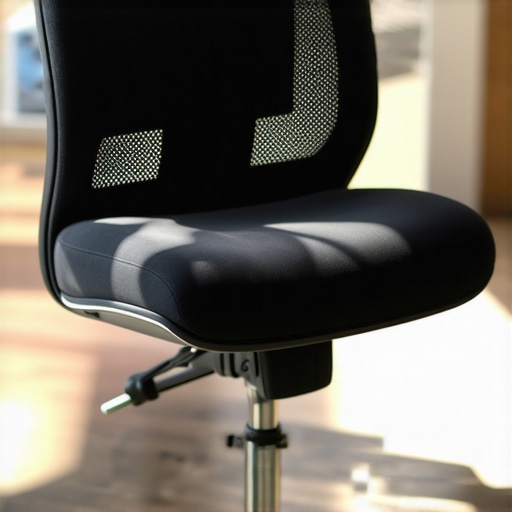
It was one of those days I remember vividly—my back aching after hours of leaning into my computer, hunched over because I thought my office chair’s lumbar support was perfectly adjusted. Suddenly, a sharp twinge shot through my lower back. That lightbulb moment hit me hard: was my lumbar support actually doing its job, or was I unknowingly sabotaging my comfort and health? Like many, I had blindly trusted my chair’s settings, assuming that once adjusted, it would keep me comfortable for years to come. But as I discovered, even the best-looking ergonomic features can fail if they’re set too low or too high. And with so many of us working long hours at home or in the office—often in the same chair for years—small misalignments can snowball into serious health issues.
Why Checking Your Lumbar Support Matters More Than Ever
As the world shifts towards more sedentary work and remote setups, the importance of proper lumbar support can’t be overstated. A well-adjusted lumbar rest not only relieves back pain but boosts overall posture, reducing risks of long-term spinal problems. The sad truth? Many office chairs, even those marketed as ergonomic, are set up incorrectly or become misaligned over time, causing discomfort, fatigue, and even chronic issues. What made me realize the urgency was reading a study from the American Chiropractic Association, which reports that nearly 80% of adults experience back pain at some point—much of which is preventable with correct seating setups. If you’ve ever felt that dull ache after a full day of sitting, you’re not alone. But here’s the kicker: how do you know if your lumbar support is set correctly? And more importantly, how do you fix it before it worsens?
Is Lumbar Support Really a Game Changer or Just Hype?
Honestly, I used to think all these adjustable supports were just gimmicks—until I made a costly mistake early on. I set my lumbar height too low, thinking more support was better, but it turned out to be a source of even more discomfort. That experience taught me a simple yet vital lesson: proper lumbar support should comfortably fill the curve of your lower back without pushing or pinching. If you’re skeptical—trust me, I get it—I was too, but once you understand how to optimize it, you’ll wonder why you ever ignored it. Want to know the signs that your support isn’t doing its job? Stay tuned, because in the next section, we’ll dive into the clear indicators that tell you it’s time to fix your lumbar setup before worse pain sets in. Have you noticed any persistent back discomfort that doesn’t go away after adjusting your chair? If so, you’re not alone, and I’m here to help guide you through the fix.
Identify Your Lumbar Curve and Support Needs
Start by sitting in your chair and observing how your lower back feels. Without any adjustments, notice if there’s a gap between your spine’s natural curve and the chair’s lumbar support. To evaluate, lean back slightly and focus on whether the support fills the hollow of your lower back comfortably. Remember, the goal is to support your lumbar lordosis without pushing too hard or feeling pinched. Place a hand behind your back; your natural curve should be supported gently, not forcibly. When I first did this, I realized my support was set way too low, causing strain. Adjusting it to match my spine’s natural curve improved my comfort immediately.
Adjust the Height and Depth of the Lumbar Support
Set the Support Height
Locate the lumbar support knob or slider—almost all ergonomic chairs have one. Adjust it so that the support pad aligns horizontally with your lower back’s natural curve, roughly at the level of your waist. A practical tip I used: sit normally, reach behind, and shift the support until it comfortably fills the hollow without pressing into bone or soft tissue. For mesh chairs, this is usually a vertical slider; for traditional padded seats, a height adjustment knob. If you’re unsure, consult your chair’s manual or contact us via the contact page for personalized guidance.
Set the Support Depth
Many chairs let you control how deep the support protrudes. Adjust until you feel stable support that doesn’t push forward or cause discomfort. The support should cradle your lower spine without pressing into your stomach or sides. I once set mine too deep, resulting in pressure points; a quick loosening and re-adjustment made all the difference. For detailed guidance, check this Lumbar Support article for tips tailored to different chair types.
Fine-Tune Based on Posture and Comfort
After initial adjustments, sit in your chair for 15-minute intervals and note any discomfort or slackness. Adjust incrementally—small tweaks can make a big difference. For example, if your back aches after hours, try raising or lowering the support slightly. I found that slight upward shifts alleviated pressure on my lower spine. Also, ensure that your support supports the entire curve, from the base of your ribcage to the top of your pelvis. Remember, maintaining proper posture involves not only support height but also overall seat positioning, armrest height, and monitor placement. Read more about optimizing your setup in this guide to choosing the right office chair.
Test the Setup and Sit for Long Hours
Once the adjustments feel right, spend a few hours working while maintaining good posture. Check periodically if your back still feels supported and comfortable. Adjust further if necessary. If persistent pain or discomfort occurs, revisit previous steps or contact an ergonomic specialist through the contact page. Remember, proper lumbar support isn’t a one-time fix—it’s an ongoing process of fine-tuning based on your body’s feedback. Letting the support settle into your natural spine shape will prevent fatigue and back pain in the long run, ensuring your workspace becomes a zone of productivity, not pain.
Many believe that choosing a mesh chair automatically guarantees better comfort and back health compared to traditional ergonomic models. However, this is a misconception rooted in surface-level assumptions. In reality, not all mesh chairs are created equal, and their effectiveness depends heavily on nuanced features like tension control, lumbar adjustability, and frame quality. For instance, some popular models may feature breathable mesh but suffer from sagging frames or insufficient lumbar support, leading to the very discomfort they claim to prevent. An expert from the ergonomic chair guide emphasizes that proper support isn’t just about material choice but precise adjustments tailored to your body’s natural curves.
Why a Common Fix Might Be Making Things Worse
Here’s a trap many fall into: blindly increasing lumbar support tension in hopes of better comfort. This To ensure your mesh or ergonomic office chair remains supportive over time, investing in the right tools and adopting consistent maintenance routines is crucial. One highly recommended instrument is a tension gauge or tension wrench, which allows precise adjustments of mesh chair tension—preventing sagging and maintaining lumbar support integrity. I personally rely on a digital tension meter because it provides quantifiable feedback, allowing me to fine-tune my chair’s tension settings accurately—this significantly extends its lifespan and keeps my back supported during long workdays. Additionally, regular cleaning using a mild fabric cleaner or compressed air helps prevent debris buildup that can affect moving parts and tension mechanisms, ensuring consistent performance. Setting reminders to periodically check and readjust support features guarantees that tiny misalignments don’t develop into chronic issues, saving you money and discomfort in the long run. As trends evolve, integrating smart chair sensors—connected via Bluetooth—may become common, alerting users when tension, tilt, or lumbar settings drift out of optimal range. These innovations aim to deliver truly personalized ergonomic support, aligning with future advancements in workplace health tech. How do I maintain my ergonomic setup over time? I schedule monthly maintenance checks, referring to guides like this detailed article on lumbar support in office chairs. These routine efforts prevent discomfort and prolong the life of my seating investment, turning office seating from a mere furniture choice into a vital component of my health regimen. For example, if you notice persistent sagging or uneven support, consider inspecting and replacing tension springs or mechanisms, which I’ve found straightforward thanks to detailed tutorials on [these types of fixes](https://chairs.techdeskessentials.com/stop-the-sag-4-fixes-for-mesh-chair-support-in-2026). Remember, small, consistent adjustments are the key to sustained comfort. I encourage you to try using a tension gauge for precise control—the difference in long-term comfort is well worth the effort.
The Hardest Lesson I Learned About Mesh Chair, Ergonomic Chair, Lumbar Support, Office Chair, Office Seating
One of the most eye-opening realizations was that even premium chairs require ongoing fine-tuning. I thought once I set my lumbar support correctly, I was good to go—but the reality was far more nuanced. Small adjustments, regular checks, and understanding my body’s signals turned out to be the keys to sustaining comfort and avoiding back pain. This journey taught me to listen to my body rather than rely solely on initial settings or marketing claims, emphasizing that ergonomic perfection is an active process, not a one-time setup.
3 Myths About Mesh Chair, Ergonomic Chair, Lumbar Support, Office Chair, Office Seating That Held Me Back
- Myth 1: Setting your lumbar support at the highest level guarantees maximum comfort. Reality: Support needs to match your natural spinal curve, not just be as high as possible.
- Myth 2: Once adjusted, your lumbar support can stay static for years. Reality: Regular re-evaluation ensures continued support as your posture and body change.
- Myth 3: Mesh chairs are inherently better for back health than traditional seating. Reality: Support quality lies in adjustability and proper setup, regardless of material.
What I Wish I Knew About Setting Up Lumbar Support for Lasting Comfort
In hindsight, I wish I had paid more attention to how my support felt during different work hours and postures. Recognizing that subtle shifts in support height or depth could alleviate discomfort extended my chair’s lifespan and improved my health. Tweaking the support based on activity—like leaning back or sitting upright—made a surprising difference. These insights underscore that achieving ergonomic mastery is personal; what works on one day may need adjusting on another. For more detailed guidance, the lumbar support article offers invaluable tips to fine-tune your setup for lasting comfort.
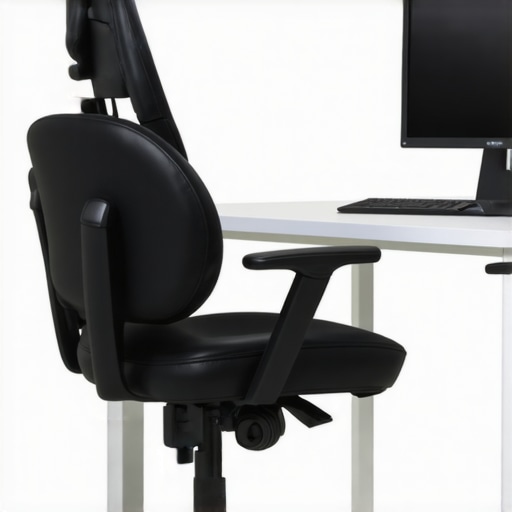
![4 Lumbar Support Fixes That End Lower Back Stiffness [2026]](https://chairs.techdeskessentials.com/wp-content/uploads/2026/03/4-Lumbar-Support-Fixes-That-End-Lower-Back-Stiffness-2026.jpeg)
![5 Signs Your Lumbar Support Is Set Too High [2026 Fix]](https://chairs.techdeskessentials.com/wp-content/uploads/2026/02/5-Signs-Your-Lumbar-Support-Is-Set-Too-High-2026-Fix.jpeg)