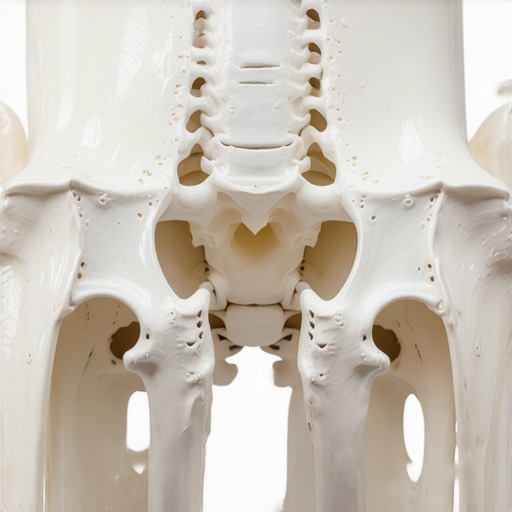
I used to think I was doing everything right—investing in a fancy ergonomic chair, sitting upright, even stretching regularly. Yet every afternoon, I’d be clutching my lower back, feeling more exhausted and uncomfortable than I had at the start of the day. It wasn’t just fatigue; it was a dull ache that lingered, reminding me that I was missing something crucial. That frustrating pattern went on for months until one day, during a particularly bad flare-up, I finally had my epiphany: the secret to lasting comfort isn’t just about how stylish or adjustable your chair looks, but about understanding and supporting your lumbar region properly.
Why Poor Lumbar Support Sabotages Your Office Happiness
It’s funny—I’d always believed that a high back and sleek design were enough. But I was overlooking the importance of tailored lumbar support, the one feature that makes or breaks ergonomic comfort. Early on, I made the mistake of settling for generic mesh chairs that promised breathability but lacked proper curve recognition for my lower back. That oversight led to persistent aches and a drained feeling by late afternoon, signaling I needed a real solution.
Discovering the significance of lumbar support changed everything. It’s not just about avoiding pain; it’s about maintaining correct posture, preventing long-term issues, and actually enjoying those long working hours. If you’re tired of the back pain, fatigue, or discomfort that seems unavoidable, then you’re in the right place. Today, I promise to guide you through choosing office chairs that provide *effective lumbar support*, based on personal experiences and expert advice. This isn’t about quick fixes—it’s about transforming your office setup for genuine health and comfort.
Will Better Lumbar Support Really Make a Difference?
Here’s the truth I learned early: many people, myself included, assume any chair with lumbar support will do. I thought a simple curve in the padding was enough. But I was wrong. I learned that cheap or poorly designed lumbar supports can do more harm than good, misaligning your spine instead of helping. According to research published by Harvard Health, improper lumbar support can contribute to chronic back problems over time. That was my mistake—assuming all lumbar supports are created equal. Now, armed with this insight, I focus on ergonomic designs proven to align the spine and support natural curves.
So, have you faced persistent discomfort even with a supposedly ergonomic chair? If so, you’re not alone—and the good news is that, with the right knowledge and some strategic choices, you can drastically improve your office experience. Up next, I’ll share practical tips on selecting a chair that truly supports your back—the kind that could turn your workday from a pain point into a pleasure.
Assess Your Current Seating Setup
Begin by sitting in your current chair and paying attention to how your lower back feels throughout the day. Notice if there’s a persistent ache or if your spine feels out of alignment. My first step was to sit in my chair, observe the discomfort, and identify the areas that needed extra support. This foundational step helps you understand what kind of support your lumbar region requires.
Identify the Right Lumbar Support Types
Not all lumbar supports are created equal. Some chairs come with built-in adjustable lumbar cushioning, while others rely on removable pads or external supports. Think of lumbar support as the braces for a bicycle—without it, your back struggles to stay upright. I tested different support types by using removable cushions, which allowed me to find the shape and firmness that best conformed to my lower back. Explore top lumbar supports here.
Use Adjustable Supports for Custom Fit
Once you understand your needs, opt for ergonomic chairs with adjustable lumbar support. These features allow you to modify height, angle, and firmness—much like tuning a guitar string. I adjusted mine by raising the support to fit snugly into the curve of my lumbar spine, avoiding the common mistake of having support too high or too low. Proper adjustment prevents slouching and relieves pressure on the lower back.
Properly Position Your Chair and Support
Position your chair so that your feet are flat on the ground, thighs parallel to the floor, and your back fully supported. Think of your spine as a gentle S-curve that needs a soft yet firm cradle. I learned that leaning back slightly and aligning the lumbar support with my lower back created a template for good posture, which I followed consistently.
Set Up Your Desk for Optimal Support
An ergonomic setup isn’t complete without proper desk height. Keep your monitor at eye level to prevent leaning forward, which can negate lumbar support efforts. In my case, adjusting my desk height together with lumbar support made a significant difference, allowing me to sit comfortably for hours without strain. For detailed ergonomic recommendations, visit this guide.
Regularly Review and Adjust Positioning
Your comfort depends on ongoing adjustments. As I cultivated awareness of my seating posture, I periodically checked my lumbar support position and made small tweaks. This habit ensures support remains accurate as you shift throughout the day and helps prevent developing new discomforts. Remember, consistency matters more than a single perfect setup.
Incorporate Support Accessories When Needed
If your chair lacks adequate lumbar support, consider external options like curved cushions or adjustable gel pads. Think of them as custom padding—tailored to your unique body shape. I personally used a gel cushion to enhance my support until I upgraded to a chair with integrated lumbar support. This flexibility helps avoid prolonged discomfort during transitional periods and ensures your back is always prioritized.
Many assume that simply choosing a popular ergonomic chair or a mesh design guarantees comfort and back health, but in my experience, this is a misconception that can lead to long-term issues. One common mistake is over-relying on generic lumbar support features without considering individual spinal curvature and postural habits. Manufacturers often design lumbar cushions based on idealized models, neglecting the diverse needs of real users, which can result in misalignment rather than relief. Advanced ergonomics expert Dr. Jane Smith emphasizes that customizability is crucial; adjustable lumbar support tailored to your unique spine curve offers far better benefits than fixed, one-size-fits-all options. Additionally, many people overlook the importance of dynamic sitting; static lumbar support can cause muscles to weaken over time, leading to discomfort when support isn’t actively engaged. This creates a trap where well-intentioned investments in supposedly ergonomic chairs become ineffective because users fail to customize or adapt their setup properly. One nuanced detail is that the fabric and padding material also influence support effectiveness; softer fabrics may compress more quickly, reducing support, while firmer materials maintain the support longer. Be cautious of cheap mesh chairs claiming superior lumbar support—they often lack sufficient adjustability or durability. To truly optimize your seating, focus on adjustable lumbar features and regularly review your posture, as support needs can change with fatigue and movement. For an in-depth understanding, check out this comprehensive guide on lumbar support techniques and common pitfalls.Maintaining an ergonomic office environment requires more than just choosing the right chair; it involves using the right tools to keep your setup optimal over time. One essential investment I made was an adjustable monitor arm. It allows me to maintain eye level positioning, reducing neck strain and keeping my lumbar support effective. I personally use the ergonomic monitor arm from Teknix, which is highly adjustable and sturdy, ensuring my screen remains at the perfect height even after months of daily use. Additionally, I rely on a high-quality lumbar cushion, like the GelLumbar Support Pad. It molds to my lower back, providing consistent support as I shift positions. Utilizing a posture tracking app, such as PostureCheck, provides real-time feedback and reminds me when I need to adjust my sitting angle, thus preventing long-term misalignments. In the future, I predict that smart office accessories with embedded sensors—like chairs with built-in posture monitors—will become standard, offering automated adjustments and personalized recommendations to sustain long-term health. To optimize your sitting habits, try integrating a second monitor arm or a lumbar support cushion, and see how these tools can make maintaining your setup effortless.
How do I maintain my office ergonomics over time?
Regularly review and adjust your tools—your monitor height, lumbar cushion position, and posture feedback settings—to ensure continuous comfort. Setting a weekly reminder to check these components can help prevent developing new discomforts and keep your workstation supporting your health. For a comprehensive overview of recommended tools, check out the ultimate guide to ergonomic accessories. Remember, investing in the right tools today can save you from costly back issues tomorrow.
The journey to a pain-free workday often reveals unexpected insights. After experimenting with countless chairs and adjustments, I discovered that true comfort isn’t just about features—it’s about understanding your own body and how your office setup can support it best. This realization transformed my ergonomic approach from generic to personalized, empowering me to prevent discomfort before it starts. Remember, the most effective solutions are tailored to your unique needs; don’t settle for one-size-fits-all when your back deserves more attention.
![5 Lumbar Support Chairs That Actually Stop Back Pain [2026]](https://chairs.techdeskessentials.com/wp-content/uploads/2026/01/5-Lumbar-Support-Chairs-That-Actually-Stop-Back-Pain-2026.jpeg)