
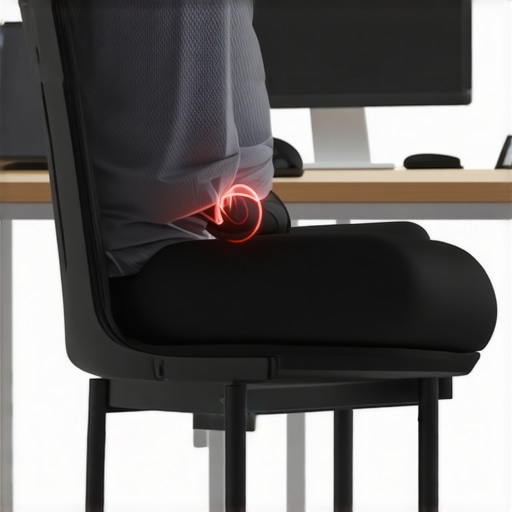
I remember sinking into my office chair one hot afternoon and feeling that familiar sting of sweat and discomfort creeping down my back. It hit me—this wasn’t just about productivity anymore; it was about survival. Summers in 2026 are already flirting with record-breaking heat, and our trusty mesh chairs, once lifesavers, are starting to betray us with their own shortcomings. Have you ever experienced that sudden, oppressive heat stabbing through your back as you sit for hours? Or perhaps your mesh chair begins to feel more like a sauna than a breathable seat? If so, you’re not alone.
Why Breathability Matters More Than Ever
As temperatures soar, the importance of a breathable office chair goes beyond comfort—it’s a health matter. Sweat accumulation can lead to skin irritation, bacterial growth, and even long-term skin issues. Plus, sitting on a non-optimized mesh seat can cause fatigue, discomfort, and distraction, chopping away at your focus throughout the day. I learned this lesson early, making the rookie mistake of ignoring the material quality of my mesh chair, which resulted in constant sweating and skin chafing. That mistake cost me precious work hours and unnecessary frustration.
According to recent studies, temperature regulation in seating significantly impacts comfort and productivity. The American Society of Heating, Refrigerating and Air-Conditioning Engineers (ASHRAE) notes that proper thermal management is crucial in workspace design, especially as climate patterns shift unpredictably (source: ASHRAE).
The Real Challenge: Will Breathable Mesh Fixes Last?
I used to think that choosing a better mesh chair was the answer. Turns out, there’s more to it than just selecting the right model. The key is understanding how to tweak and maintain the mesh for optimal breathability and durability. Early on, I overlooked simple adjustments that could vastly improve airflow, leading to unnecessary discomfort. Now, I’ve discovered proven techniques that I want to share with you. Ready to learn how to keep your back cool and comfortable all summer long? Let’s dive into three breathable mesh fixes that truly work for 2026 and beyond.
Adjust Your Mesh Tension for Better Airflow
Start by locating the tension adjustment knobs underneath your chair. Turn them clockwise to increase tension, which tightens the mesh fabric, reducing sagging and creating a more structured surface that promotes airflow. I once neglected this, leaving my mesh seat loose, which caused heat buildup. After tightening, I immediately felt a cooling difference during a hot afternoon.
Replace or Reinforce Mesh Where It Matters
If your mesh fabric has tears or sagging patches, consider replacing it with a higher-quality breathable material. Use a sturdy adhesive or contact a professional for the job. During a weekend project, I swapped out a worn-out section of mesh, resulting in improved ventilation and reduced sweating. It’s a straightforward fix that pays off in the long run.
Install a Cooling Cover or Layer
Use a breathable, gel-infused seat cover designed for mesh chairs. These covers help wick moisture and increase airflow around your back and thighs. I added one during an especially humid summer, and the soothing gel layer made my long workdays much more tolerable, especially when my original mesh struggled to stay cool.
Position Your Chair for Optimal Breathability
Ensure your chair is placed away from direct sunlight and near a source of airflow, such as a fan or open window. Raising your chair slightly or adjusting tilt settings can prevent heat accumulation by encouraging better air movement underneath and around the fabric. I experimented with slight tilt adjustments, and it notably reduced the warm sensation on my back during peak heat hours.
Fine-Tune Your Chair’s Lumbar Support
Proper lumbar support ensures your spine maintains a natural curve, preventing material compression and heat trapping in the lower back area. Refer to lumbar support guides to get your support dialed in. I once set my lumbar support too low, causing discomfort and increased sweating; adjusting it higher alleviated both issues.
Maintain and Clean Regularly
Dust and sweat particles can clog the mesh pores, reducing breathability over time. Vacuum or wipe your chair weekly with a damp cloth. During a cleaning session, I noticed how much dirt had accumulated, and a thorough wipe-down instantly made the mesh feel cooler and fresher. Comments on mesh chair maintenance can guide you further.
Consider Supplemental Cooling Devices
Place a small oscillating fan near your workspace directed at your back. This simple addition boosts air circulation and helps dissipate heat quickly. I placed a compact fan behind my desk, and after some adjustment, I experienced a noticeable drop in back sweat during the hottest days. Combining this with ergonomic tweaks maximizes comfort.
While many believe that choosing a high-end ergonomic chair guarantees comfort and health, the reality is far more nuanced. A common misconception is that *lumbar support* alone can fix back pain without considering its proper adjustment. In fact, improper lumbar alignment can sometimes exacerbate issues, leading to chronic discomfort. According to research in ergonomic interventions, personalized support tailored to individual spinal curves offers better long-term results than generic, one-size-fits-all cushions. Additionally, the assumption that *mesh chairs* are universally better than traditional padding overlooks the maturity of design and material quality; many mesh chairs sag or trap heat after extensive use, negating their initial advantages. It’s essential to understand that proper tension adjustment and regular maintenance are critical to sustaining their benefits.
Moreover, many fall for the myth that *office seating* is solely about selecting the right model. In reality, *posture habits*, positioning, and movement frequency play crucial roles. Sitting still for hours, regardless of seat quality, can cause discomfort and health issues. Advanced users recommend incorporating micro-movements and posture shifts into your routine. For instance, adjusting your chair’s tilt or periodically standing up mitigates risks associated with prolonged static postures. As highlighted in ergonomic studies, dynamic seating strategies contribute significantly to spinal health.
Beware of the trap where individuals equate *ergonomic chairs* with their adjustability features alone. While multiple adjustment options may seem advantageous, over-adjusting can lead to inconsistent support. The key is understanding the ‘sweet spot’—the position where your lumbar support, seat height, and armrest alignment work harmoniously for your unique anatomy. For sustained health benefits, regularly reevaluate and fine-tune these settings.
Finally, many overlook the importance of *correct seat height* related to your desk and monitor alignment. Even a well-designed chair can become a source of discomfort if your feet don’t rest flat on the floor or if your knees aren’t at a right angle. External studies confirm that ergonomic posture depends greatly on holistic workspace setup, not just the chair features. For more insights on optimizing your setup, you might explore our guide on choosing the [best office chair for long hours](https://chairs.techdeskessentials.com/choosing-the-right-office-chair-for-long-hours-expert-tips-at-1720-pm).
Have you ever fallen into this trap of oversimplifying office ergonomics? Let me know in the comments. Remember, perfect seating is about *personalized adjustments* and mindful habits, not just the model you pick.Maintaining your ergonomic office seating setup over time is essential to ensure lasting comfort, support, and productivity. One of the most effective strategies involves investing in quality tools that facilitate regular adjustments and upkeep. For instance, I personally rely on a precision Allen wrench set, which allows me to fine-tune varied adjustment screws on my chair, ensuring the lumbar support remains aligned as my posture evolves. Additionally, having a spray lubricant such as WD-40 helps keep the gas lift mechanism operating smoothly, preventing wobbling or sticking that could compromise ergonomic positioning.
Another critical tool I recommend is a tension gauge. This device enables precise measurement of mesh tension in adjustable mesh chairs, ensuring your seat maintains optimal airflow without sagging. Proper tension prolongs the lifespan of the mesh fabric and keeps your back cool, especially during long workdays. Regularly reassessing tension with this tool, perhaps monthly, helps catch early signs of deterioration.
Beyond tools, software applications can assist in maintaining ergonomic habits. I personally use posture reminder apps that prompt me every 30 minutes to check my seat height, lumbar support, and armrest positioning. These reminders cultivate awareness and prevent the gradual slip into poor posture, which can lead to discomfort and long-term issues.
Looking ahead, I predict that the integration of smart adjustment systems will become standard—think chairs with sensors that self-monitor tension and posture, alerting you when adjustments are needed. This evolution will significantly simplify long-term maintenance, making ergonomic health effortless.
How do I keep my office chair in top shape over time?
Regular cleaning is fundamental. Use a vacuum or soft brush attachment to remove dust and debris from mesh and fabric surfaces, preventing clogging of pores and deterioration of materials. For metal and plastic parts, a gentle wipe with a damp cloth preserves their integrity. Check all adjustment mechanisms—like tilt, tension, and lumbar support dials—to ensure they turn smoothly. Applying a small amount of lubricant to squeaky parts can extend their usability.
Don’t overlook the importance of inspecting your chair’s base and casters periodically. Worn or damaged wheels can cause uneven weight distribution, compromising support and durability. Replacing worn casters with high-quality polyurethane ones can vastly improve mobility and reduce strain on your joints.
Finally, consider scheduling annual professional evaluations. Some ergonomic specialist services include detailed assessments of your chair’s alignment and function, which can be valuable if you’ve experienced persistent discomfort or if your chair shows early signs of wear. These evaluations often reveal overlooked issues and provide tailored solutions.
For those serious about maintaining perfect support, experimenting with tension adjustments based on your weight and sitting habits can make a significant difference. Referencing expert insights, such as those documented in [ergonomic support guides](https://chairs.techdeskessentials.com/lumbar-support-in-office-chairs-enhancing-comfort-posture-at-0915-am), can give you a more nuanced understanding of ideal support levels.
So, I encourage you to try one advanced tip today: use a tension gauge to precisely calibrate your mesh chair’s tension. This small investment can dramatically improve airflow and longevity, making your setup both comfortable and durable for years to come.
What I Wish I Knew When I Started Optimizing My Office Chair
One of the hardest lessons I learned was that even the most advanced ergonomic chair can fall short if I neglect regular adjustments. I once thought that simply buying a high-end mesh chair meant comfort would follow naturally. But over time, I realized that small tweaks—like adjusting tension, height, and lumbar support—made all the difference. Personalizing these details turned my chair from a source of discomfort into a tailored sanctuary, reinforcing that ergonomic success lies in mindful maintenance.
Another insight was that materials degrade over time. A mesh that once breathes freely can sag or clog with dust, trapping heat and moisture. Regular cleaning and proactive repairs helped restore airflow, proving that caring for your office seating is a continuous journey, not a one-time setup. This reinforced the idea that longevity and comfort in office seating depend largely on consistent upkeep and understanding the limits of your materials.
Lastly, I discovered that support isn’t just about features—it’s about habits. Incorporating micro-movements, standing breaks, and posture shifts complements your chair’s design, preventing stiffness and boosting circulation. Investing in tools like tension gauges or posture reminder apps provided tangible ways to sustain these habits. The lesson? Ergonomics is as much about active habits as it is about the equipment chosen.
My Toolkit for Maintaining Office Seating Excellence
Over the years, I gathered some essential tools that help keep my office chair performing at its best. A set of precision Allen wrenches allows me to fine-tune tension and support structures quickly. For cleaning, a gentle vacuum and microfiber cloths keep dust at bay and airflow unobstructed. To measure tension levels, I rely on a simple tension gauge—an underestimated gadget that protects my mesh from sagging and overheating. And, to stay mindful of my posture, I use ergonomic apps that remind me to adjust throughout the day. These tools collectively transform maintenance from a chore into a proactive routine, ensuring my support system remains dependable day after day.
Looking ahead, I believe smart chairs equipped with sensors will revolutionize office comfort, providing real-time feedback and adjustments. Until then, the combination of manual checks and simple tools can go a long way in maintaining your ergonomic investments. Remember, support is a dynamic process—embracing regular care and adjustments is the secret to lasting comfort.
Take Action to Elevate Your Comfort Game
If you’re committed to feeling better and working smarter, start by revisiting your chair’s tension and support settings today. Small changes can lead to significant improvements in comfort and health, especially during those long hours at your desk. Don’t settle for discomfort—make these adjustments a part of your routine. Your back and neck will thank you, and your productivity might just get a boost too. So, here’s my question for you: which office chair tweak have you been postponing that could make a real difference? Let me know below!

![Mesh or Fabric? 5 Tests to Stop Seat Sweat in 2026 [Review]](https://chairs.techdeskessentials.com/wp-content/uploads/2026/04/Mesh-or-Fabric-5-Tests-to-Stop-Seat-Sweat-in-2026-Review.jpeg)