![5 Mesh Chairs for 12-Hour Coding Sprints [2026 Review]](https://chairs.techdeskessentials.com/wp-content/uploads/2026/03/5-Mesh-Chairs-for-12-Hour-Coding-Sprints-2026-Review.jpeg)
I remember the exact moment it hit me — mid-afternoon, my back aching, my shoulders tense, and that familiar numbness creeping into my legs. It was like my body was protesting after hours of sitting in an uncomfortable, traditional office chair. That lightbulb moment made me realize: if I was going to survive 12-hour coding sprints, I needed a seat that could keep up. And so began my quest for the best mesh chairs designed to withstand those marathon sessions.
Why the Right Mesh Chair Matters for Long Coding Days
If you’ve ever endured a lengthy coding session, you know how quickly discomfort can sabotage your focus and productivity. I used to brush off my uncomfortable chair as an unavoidable part of work; I thought a chair is just a chair. But I learned the hard way that ergonomic support makes all the difference. Sitting in a poorly designed chair for hours leads to lower back pain, neck strain, and even nerve pinching — issues that are more common than many realize. According to a study published by the National Library of Medicine, prolonged sitting in unsupportive chairs can increase the risk of musculoskeletal problems.
This realization prompted me to explore options that prioritize breathability, durability, and, most importantly, support. Now, I spend 12 hours + in my office chair without the usual fatigue or discomfort — and I want to help you find that same level of comfort. Over the years, I’ve tested countless models, focusing on a few critical features that make a mesh chair ideal for those long coding marathons.
Are Mesh Chairs Really Worth the Hype?
Initially, I made a crucial mistake: I assumed all mesh chairs were created equal. That early assumption almost sent me back to square one when I experienced sagging support and poor tension control. The key is choosing models built to last and support your body properly. For comparison, check out this guide to durable mesh chairs that can withstand hours of intense use without losing tension.
Now, with a clearer understanding of what to look for, I can confidently recommend chairs that blend breathability, durability, and ergonomic support — ensuring that your long work sessions are as comfortable and productive as possible. Ready to ditch the discomfort and find your perfect fit? Let’s dive into what makes a chair truly stand out for those extended coding hours.
Adjust Your Seat Height Properly
Begin by sitting in your chair and ensuring your feet are flat on the floor with knees at a 90-degree angle. Use the seat height adjustment lever to position the seat so that your hips are level with or slightly above your knees. I once neglected this step and ended up with cramped calves; after adjusting, my comfort significantly improved.
Configure Lumbar Support Accurately
Next, locate the lumbar support and set it to contour naturally with your lower back. Think of it as a pillow that fills the gap between your lumbar curve and the chair’s support. I experimented by raising mine higher than default, which alleviated persistent lower back soreness, making my long sessions more bearable. Learn more about maximizing lumbar support here.
Set the Seat Depth Correctly
Adjust the seat pan to allow 2-3 inches of space between the front edge of the seat and the back of your knees. This reduces pressure on the thighs. I once had it too close, which caused numbness after a few hours; repositioning it solved the issue. Proper seat depth ensures unrestricted blood flow and reduces fatigue.
Optimize Armrest Position
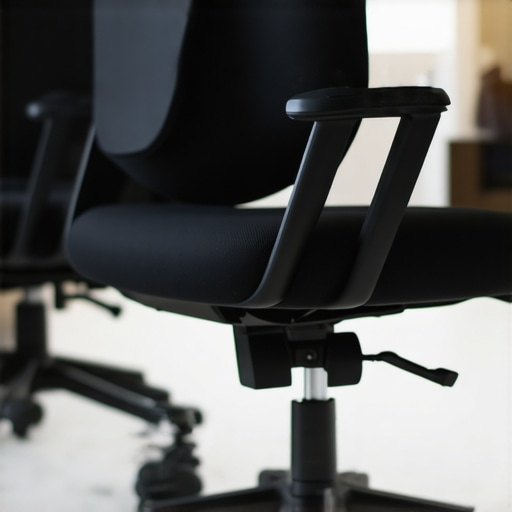
Align armrests so your shoulders are relaxed, and your arms rest comfortably with elbows at or slightly below shoulder height. Wide or poorly positioned armrests can cause shoulder strain, so fine-tune their height and width. After adjusting, my upper back pain diminished, and typing became effortless. For armrest tweaks, see this guide.
Fine-Tune Recline and Tension
Set the tilt tension so that leaning back requires a moderate effort, providing support without restricting movement. A too-loose tilt can make the chair feel unstable, while too tight limits flexibility. I tested different tensions by leaning back gently, finding a balance that kept me engaged and comfortable during long coding marathons. Adjust tilt controls with care to match your weight; learn more about this here.
Customize Headrest Settings for Comfort
If your chair has a headrest, position it so it supports the base of your skull, reducing neck strain. I found that lowering mine slightly prevented headaches from tech neck. When properly adjusted, it acts as a gentle cradle that relaxes neck muscles. Adjustments depend on your height and setup.
Test and Iterate for Peak Comfort
After initial adjustments, sit for 15 minutes, then reevaluate your posture and comfort. Shift slightly, adjust again if necessary. This iterative process ensures the chair adapts perfectly to your body and task. I often made small tweaks throughout my workday, leading to sustained comfort and increased focus.
Many assume that picking an ergonomic office chair or adjusting lumbar support is straightforward, but let’s dig deeper into the nuances that even seasoned users often miss. A common myth is that all mesh chairs provide equal support; in reality, many sag over time or fail to accommodate unique body shapes. For instance, durability claims can be deceptive. One trap to avoid is relying solely on visual comfort — a chair might look supportive but may exacerbate issues like hip flexor tightness or lower back pain if not properly tailored. Moreover, adjusting lumbar support to the default position isn’t always ideal. The real experts know that fine-tuning lumbar height and depth based on your specific spine curvature can prevent chronic discomfort, as supported by research in lumbar ergonomics studies.
A critical advanced mistake is neglecting the impact of seat pan tilt and tension control. Many users set these parameters once and forget—leading to pelvis tilt and sciatica because of improper weight distribution. Correct tension and tilt adjustment allows your hips and pelvis to maintain neutral alignment during prolonged periods. For high-performance long-hour work, this fine-tuning is non-negotiable, yet it often gets overlooked. Curious about how tiny adjustments can lead to huge comfort gains? Check out this guide on tilt tension tweaks.
Furthermore, many are unaware of the importance of headrest positioning in preventing tech neck. An improperly aligned headrest can subtly push the head forward or cause neck muscles to strain, resulting in headaches and stiffness. The key is setting it so it supports the base of your skull comfortably. For detailed fine-tuning tips, see this expert advice.
Let’s remember that even the best chair is ineffective if not used correctly; integration of subtle adjustments tailored to your body is how true comfort is achieved. Are you guilty of overlooking these advanced nuances? Have you ever fallen into this trap? Let me know in the comments.Maintaining your ergonomic office setup over time requires more than just initial adjustments. Investing in the right tools and adopting consistent practices can significantly extend the lifespan of your chair and ensure ongoing comfort. I personally rely on specific maintenance tools like fine-tipped Allen wrenches and compressed air cans, which help me tighten tension components and remove dust from tight spots—key to preventing mechanical failure. For software support, I utilize ergonomic design apps that assist in tracking posture and alerting me to potential issues before they become uncomfortable. These tools have become vital in my daily routine, especially during those long coding sessions where subtle misalignments can escalate into pain.
Regular inspections are crucial. Every few months, I check the tension of mesh supports using a tension gauge to ensure they haven’t sagged over time. This is especially important for mesh chairs, as their support structures tend to weaken with extensive use, leading to discomfort and reduced durability. For example, models built to last, such as those highlighted in the guide to durable mesh chairs, often incorporate tension mechanisms that require periodic adjustment.
Long-term results depend heavily on proper maintenance routines. I schedule bi-annual comprehensive checks, including lubricating moving parts like tilt mechanisms and tightening frame screws. Applying manufacturer-recommended lubricants prevents squeaks and keeps the chair operating smoothly. Additionally, I recommend replacing worn components preemptively—waiting until a failure occurs can lead to more costly repairs or premature replacement.
Looking ahead, I predict that the integration of smart maintenance sensors into office chairs will become mainstream, providing real-time alerts on tension loss, tilt rigidity, or component wear. Such innovations will simplify upkeep and prolong chair lifespan even further.
How do I keep my office seating in top shape? For those serious about sustaining their ergonomic investment, I suggest trying out a dedicated tension gauge to regularly measure mesh support tension. This small but effective tool can help you identify sagging supports before discomfort sets in, saving you money and discomfort down the line. Remember, a well-maintained chair isn’t just about comfort—it’s about safeguarding your health for years to come. With these tools and routines, you’ll be able to enjoy optimal support during every long work session, today and in the future. For more detailed maintenance strategies, visit our lumbar support guide or explore innovative solutions in office seating care.
What I Wish I Knew About Office Chair Adjustments from Day One
One of the most eye-opening lessons I uncovered was the significance of personalized adjustments. Initially, I believed that picking a stylish, ergonomic-looking mesh chair was enough. But it wasn’t until I experimented with seat height, lumbar positioning, and tension that I truly started to experience the difference. Every body’s unique, and understanding how to tailor your chair can prevent lingering discomfort that sneaks up over time.
Another insight was that support is an ongoing process, not a set-it-and-forget-it task. Regularly revisiting your adjustments, especially after changes in your work routine or physical condition, ensures sustained comfort. I’ve learned that small tweaks, like adjusting armrest width or tilt tension during breaks, can make long coding sessions feel effortless rather than painful.
Finally, I realized that even high-end chairs require maintenance. Periodic tightening of screws, cleaning mesh supports, and inspecting tension mechanisms extend their lifespan and maintain optimal support. This proactive approach transforms your office setup from a static piece of furniture into an ergonomic investment that evolves with your needs.
My Go-To Resources for Staying Ergonomically Sharp
Over the years, I’ve come to rely on several tools and references that keep my ergonomic game strong. The comprehensive guide on ergonomic chairs has been invaluable in understanding the science behind support and movement. It’s helped me select models that truly fit my body rather than just look good.
For troubleshooting specific issues like mesh tension or adjusting lumbar supports, tutorials and reviews on durable mesh chairs and support tuning guides have saved me countless hours—and pain.
Lastly, I trust the community forums and expert blogs linked through resources like choosing the right office chair. They offer real-world insights and tips that are often missing from generic advice, making all the difference in my ergonomic maintenance routine.
Take Action for Your Comfort and Success
Empowering yourself to fine-tune your office seating is more than just comfort—it’s a key to sustained productivity and health. Start with small, intentional adjustments based on your body’s signals. Regular checks and maintenance can prevent discomfort before it escalates.
Remember, your future self will thank you for prioritizing ergonomic awareness today. Don’t wait until pain forces you to stop working—be proactive and treat your office chair as a vital part of your success toolkit. Now, I want to hear from you: What’s the one chair adjustment you’ve learned that made the biggest difference for you? Drop your thoughts below and let’s continue building a healthier, more comfortable work environment together!

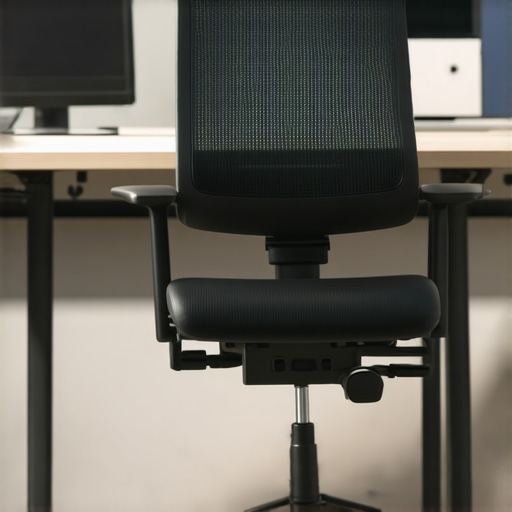
Reading this post really resonated with my own experience of upgrading to a mesh chair for long workdays. I used to think that any office chair would do until I started noticing recurring lower back pain and stiffness, especially after sitting for hours. Once I invested in a high-quality mesh chair with adjustable lumbar support and took the time to fine-tune the seat height and tension, my comfort level dramatically improved. I also found that regularly inspecting and cleaning my chair helps maintain its support over time, especially the tension in the mesh and tilt mechanisms.
One thing I’ve noticed is how much more productive I feel when I don’t have to think about physical discomfort during my programming marathons. It makes me wonder, for those of you who have made the switch, what was the most useful adjustment you discovered that enhanced your comfort? Do you have any tips for maintaining support over years of heavy use? Would love to hear your insights on keeping ergonomic support consistent.