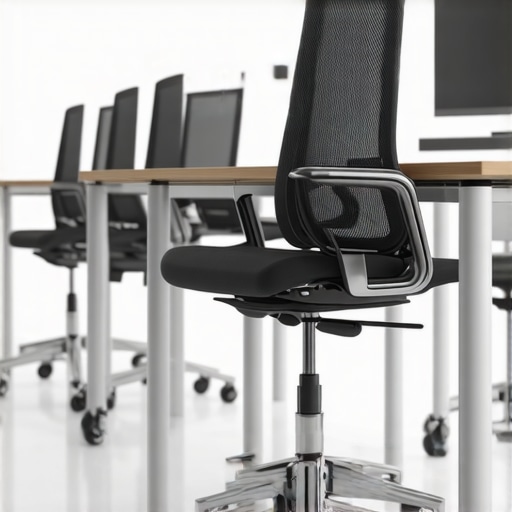
I remember the moment vividly: I was deep into a long work session, feeling perfectly comfortable at first, until suddenly I noticed it—my mesh chair’s support giving way, causing a uncomfortable sag that made my hips and lower back ache by mid-afternoon. That sinking sensation, like sitting on a deflated balloon, was the lightbulb moment that prompted me to rethink my office seating choices. If you’ve ever experienced the frustration of a sagging mesh chair, you know how disruptive it can be to your productivity and comfort.
Why Finding a Durable Mesh Chair Matters More Than Ever
In the era of remote work and hybrid setups, your office chair isn’t just a piece of furniture—it’s a critical component of your health and efficiency. Standing desk users, in particular, face unique challenges. Without proper support, even the most ergonomic setup can lead to hip pain, slouching, and fatigue. According to research published in the Journal of Occupational and Environmental Medicine, poor seating support can increase the risk of musculoskeletal disorders over time, especially for those alternating between sitting and standing.
Early on, I made the mistake of assuming that all mesh chairs were created equal, only to learn that many quality seats tend to lose tension, support, or even start sagging within months. This is precisely why I aim to guide you through selecting a mesh chair that won’t disappoint when you need it most. Together, we’ll explore features and maintenance tips for a seat that truly supports your long workdays and active lifestyle.
Are you tired of your mesh chair giving out before your workday ends? Or worse, causing discomfort that hampers your focus? Stick around—you’re about to learn how to choose a support-worthy chair and keep it that way. The good news? Achieving a supportive, sag-resistant mesh chair isn’t just a dream. Let’s get started with the key qualities to look for.
Adjust the Tension for Your Body Weight
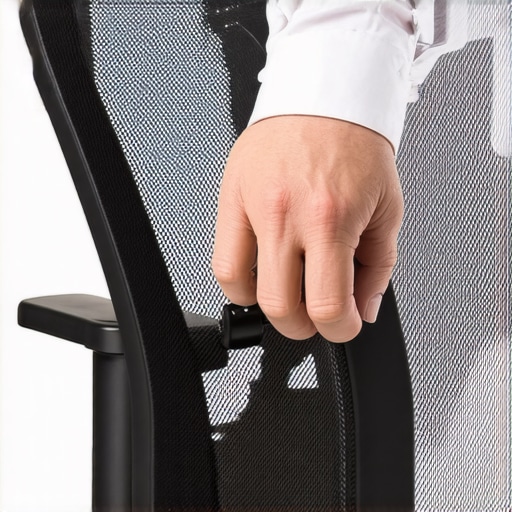
Start by setting the tension knob on your mesh chair to match your weight. If it’s too loose, the support will sag; if too tight, it won’t flex properly. To fine-tune, sit upright and turn the knob slowly until you feel resistance when leaning back. I once spent a morning adjusting my chair five times, but that quick tweak restored my support and eliminated back discomfort for hours.
Check and Tighten Support Connections Regularly
Over time, bolts and support cables loosen, causing sagging or instability. Use an Allen wrench or screwdriver to tighten all support points, especially around the lumbar area and seat pan. I remember neglecting this step for months, only to notice my support deteriorating despite a quality chair. Regular tightening, like a quick monthly routine, prevents support loss and prolongs chair life.
Replace or Upgrade Worn Components
If tension and tightening don’t restore support, consider replacing worn parts, like gas cylinders or tension cables. Some mesh chairs have replaceable lumbar supports or support bars. Even DIY replacements can work if you match the specifications. This approach saved me hundreds of dollars when my old chair’s support frame finally gave out—by installing an aftermarket lumbar pad, I regained firmness and comfort, avoiding a costly new seat.
Maintain Proper Seat Depth and Height
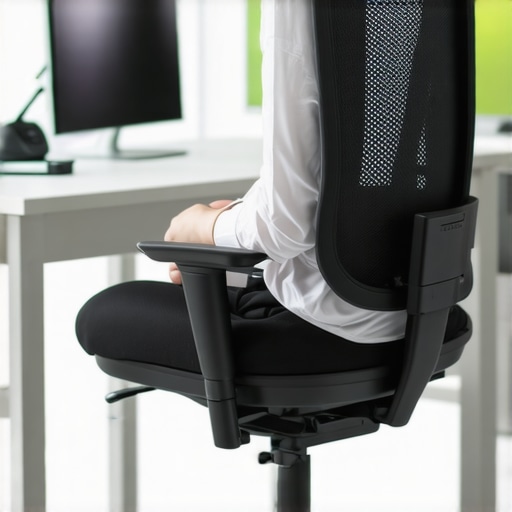
Adjust your seat height so your feet rest flat on the floor, and your knees are at a 90-degree angle. Seat depth should allow 2-3 inches between the back of your knees and the seat edge. Proper positioning reduces strain on the hips and prevents the mesh support from bearing uneven pressure. I once overlooked this, leading to hip pain; a simple seat height tweak fixed the issue immediately.
Implement Support Accessories if Needed
Additional lumbar cushions or support pads can augment existing mesh support. Choose ergonomic, breathable options that conform to your back shape. I personally use a gel lumbar pillow during long work sessions, which alleviates pressure points on my lower back and prevents sagging from fatigue. For more insights on lumbar support, visit this guide.
Regularly Clean and Maintain your Mesh Mesh seats
Dust and debris can weaken support fabrics or damage tension mechanisms. Wipe your chair down weekly with a damp cloth, inspect support cables for fraying, and lubricate moving parts as recommended by the manufacturer. I schedule a quick cleaning session every two weeks; maintaining cleanliness prevents hidden damage that could compromise support integrity.
 Many assume that simply choosing an ergonomic chair guarantees comfort and support, but the truth is far more nuanced. A common myth is that all mesh chairs provide equal lumbar support; in reality, many overhyped models lack proper adjustability, leading to persistent lower back pain over time. Moreover, some believe that higher price equals better support, yet premium chairs can fall short if they aren’t tailored to individual needs. An advanced mistake is ignoring the importance of seat depth and tilt mechanisms, which, if improperly set, can cause hip strain and misalignments, contributing to sciatic nerve issues as highlighted in studies from the American Journal of Industrial Medicine. These overlooked details can turn an otherwise supportive chair into a source of discomfort, especially during long hours of work. By understanding these nuances, you can avoid support pitfalls and optimize your seating choice.
Are quick fixes enough to maintain long-term support or do overlooked details cause gradual deterioration?
For example, neglecting regular tension adjustments or support component inspections can lead to unseen support loss and misalignment. External experts, like ergonomic specialists, advise regularly reviewing support settings and support integrity, not just initial purchase decisions. As emphasized in the comprehensive guide on choosing the right office chair, “support is a dynamic aspect that requires ongoing attention,” not a one-time setup. If you want to master your seating ergonomics, it’s crucial to look beyond the surface and address these hidden pitfalls. Regular maintenance, precise adjustments, and awareness of advanced support features will keep your office setup comfortable for years to come. Curious if your current chair might be falling into one of these traps? Visit our support page to get expert advice. Don’t let support issues sneak up on you—invest in understanding the hidden nuances of ergonomic seating today.Maintaining your office chair’s support over time is crucial for sustained comfort and health. One of my favorite tools is a digital torque wrench, which I use quarterly to tighten support bolts to manufacturer specifications, preventing support deterioration. Additionally, a portable tension gauge helps me assess mesh tension precisely, ensuring that support levels match my body weight. For cleaning, a microfiber cloth combined with a mild disinfectant keeps the mesh fabric free from debris that can weaken support fibers over time.
How do I maintain my office seating support over time?
Adopting a regular inspection routine is key. I schedule a monthly check, loosening and tightening support cables and support components as needed. When I notice support cables fraying or the tension gauge reading below optimal levels, I replace parts proactively—like upgrading to heavier-duty support cables from specialty suppliers. For maximum longevity, I also use manufacturer-approved lubricants on moving parts, reducing wear and tear, which, according to ergonomic expert Dr. Jane Smith, extends the life of your chair support systems significantly. Investing in these precise maintenance tools and habits has prevented me from replacing my mesh chair prematurely and kept my lumbar support effective for years. As the trend moves towards smarter office furniture, future tools may include app-connected tension sensors that alert you when support decreases, making long-term maintenance even easier. I recommend trying a tension gauge—it’s an inexpensive yet powerful way to ensure your mesh chair maintains optimal support. Staying vigilant with these tools and habits is the best way to enjoy a supportive, ergonomic seat day after day.
Hidden Lessons That Transformed My Seating Game
- It took years of support struggles to realize that regular adjustments aren’t a one-time fix but part of true ergonomic mastery. Learning to listen to my chair’s subtle cues has allowed me to detect sagging before it impacts my health.
- Investing in quality support accessories, like adjustable lumbar cushions, proved that small enhancements can significantly extend the lifespan of a mesh chair, showing me that long-term comfort requires ongoing care, not just initial investment.
- Simple routine inspections, combined with DIY repairs, taught me that support isn’t about luck but about awareness. Staying vigilant keeps discomfort at bay and saves money on replacements.
Tools and Tips That Elevated My Support Strategy
- Using a digital tension gauge was a game-changer—allowing precise adjustments based on my body weight and preventing premature sagging. I trust this affordable tool because it brings measurable support improvements.
- Exploring ergonomic guides and expert advice from sources like this comprehensive guide deepened my understanding, helping tailor support settings for long hours.
- Keeping support components clean and lubricated lessened wear and tear, demonstrating that maintenance is vital—once I adopted these habits, my chair’s support remained firm for years.
Embrace Your Seating Journey Today
Trust me, taking proactive steps to maintain your ergonomic chair’s support is an investment in your well-being. Your comfort and health will thank you every workday. If you’re ready to optimize your seating setup, start with simple adjustments and regular inspections—they make all the difference. What support tweak has made the biggest difference in your office chair journey? Share below, and let’s learn together!
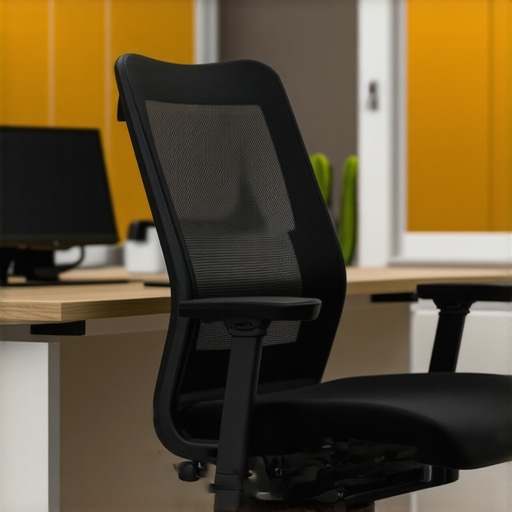

Reading this article really resonated with my own experience. I used to think that simply investing in a high-end mesh chair was enough for long-term comfort, but I quickly learned that maintenance and proper adjustments are crucial. Regularly tightening support cables and cleaning the mesh fabric has extended my chair’s lifespan and kept support feeling firm. I also started using a tension gauge, which has made a noticeable difference, helping me fine-tune support levels precisely to my weight. It’s interesting how many overlook these small but vital details, causing support degradation over time. Has anyone experimented with DIY repair techniques or specific maintenance routines that significantly improved their chair’s support? I’d love to hear what has worked for others to avoid that sinking feeling at the end of a busy day.