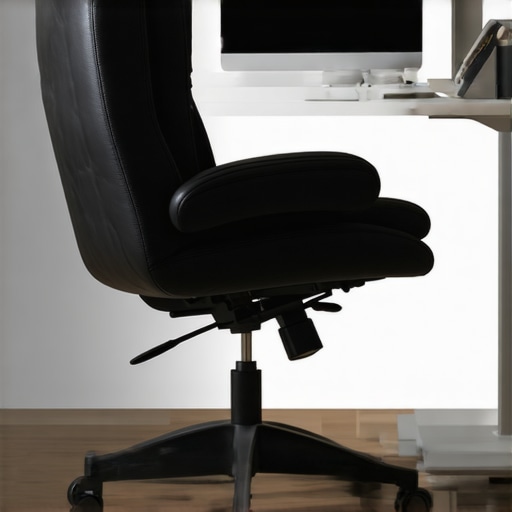
Ever had that sinking feeling—literally—when your office chair’s tilt suddenly collapses just after you’d settled into your work? I’ve been there, and let me tell you, nothing kills productivity faster than a stubborn mesh chair that refuses to support your weight. One moment, you’re comfortably leaning back, and the next, you’re teetering like a shaky tower. It’s a lightbulb moment I’ve experienced more times than I care to admit—realizing that my favorite ergonomic chair wasn’t built for heavy sitters. And honestly? I was making easily avoidable mistakes that worsened the problem.
Why Heavy Sitters Need Special Tilt Tension Tweaks
In 2026, with more of us working long hours at desks, the importance of a properly balanced office chair has skyrocketed. Think about it: your chair’s tilt tension is the unsung hero that keeps you comfortable, supports your posture, and prevents back pain. But if it’s too loose or too tight, your chair can become an unpredictable mess—especially if you’re on the heavier side. According to recent ergonomic research, a poorly adjusted tilt tension can contribute to back discomfort and even long-term musculoskeletal issues.
Now, here’s the thing—many heavy sitters just accept their chair’s limitations. Maybe they think it’s a sign of needing an entirely new model. But often, it’s just a matter of quick adjustments. I’ve learned that with a few simple tension tweaks, I can restore my chair’s support and avoid the frustration of dealing with sagging or collapsing armrests and seat pans. Have you faced similar struggles with your office seating? If so, stick around, because I’m about to share exactly how I manage mine.
Is Adjusting Tilt Tension Actually Worth the Effort?
Early on, I made the mistake of overlooking my chair’s tension settings—thinking the problem would resolve itself or that I needed a different model. Turns out, I was just adjusting the wrong parts or not enough. It’s a common mistake many heavy sitters make, and it’s a trap I fell into. The truth is, proper tilt tension can make a world of difference, allowing you to lean back comfortably without feeling like your chair is about to give out. It’s a small fix that delivers big results in your daily comfort.
So, if you’re tired of fighting with your office chair or feeling that persistent strain, you’re not alone. The good news? Fixing tilt tension isn’t complicated at all. In the next section, I’ll walk you through some quick, proven adjustments to keep your chair supporting your heavy frame—so you can focus on what truly matters: your work, not your seating.
,
Locate Your Tilt Tension Knob and Set Initial Tension
Start by finding the tilt tension knob underneath your chair, usually near the central support cylinder. Turn the knob clockwise to tighten and counterclockwise to loosen. For heavy users, I recommend tightening it gradually—about a quarter turn at a time—and testing the tilt by leaning back gently. During one attempt, I thought I had it perfect after one tweak, only to find it too stiff and uncomfortable. So, patience is key—adjust, test, adjust again. This step sets the foundation for a comfortable lean and prevents your chair from sagging under significant weight.
Adjust the Lumbar Support Height and Firmness
Experiment with the lumbar height
Most ergonomic chairs have adjustable lumbar support that you can slide up or down. For my own chair, I moved the support upwards to align with my lower back—especially crucial since heavy sitters often experience lumbar misalignment leading to back pain. As I adjusted, I noticed a significant reduction in pressure on my lumbar area. Fine-tuning this position can prevent slumping, especially if your seat depth is appropriate. For detailed lumbar positioning tips, check this guide.
” alt=”Adjusting lumbar support on ergonomic mesh chair” title=”Proper lumbar support positioning”/>
Modify lumbar firmness if adjustable
If your lumbar support has a dial for firmness, tweak it to provide more support. For heavy users, increasing firmness helps maintain lumbar curvature, reducing back fatigue. While I initially set mine too softly and felt back discomfort after prolonged sitting, a quick increase in firmness made a world of difference. Remember, the goal is support without sensation of excessive pressure—think of it as a firm but gentle hug for your lower back.
Set Seat Depth for Comfort and Blood Flow
Adjust your seat depth—how far you sit from the backrest—so that there’s a two-to-three finger space between your knees and the seat edge. This prevents pinching of blood vessels and enhances circulation. When I first tried seat adjustments, I realized my feet felt numb after hours; moving the seat backward slightly improved blood flow and reduced discomfort. For further seating tips, see this article.
Fine-Tune Armrest Position and Tension
Adjust armrests for your body—set their height so your shoulders stay relaxed and elbows form roughly a 90-degree angle. Many heavy users overlook armrest adjustments, leading to tension in shoulders and neck. I lowered mine gradually while working on my laptop, which helped reduce arm fatigue. If your chair has adjustable tension or pads, experiment to find the right balance; too tight can cause discomfort, too loose may cause arm support to sag. For armrest positioning details, refer this guide.
Test and Readjust Regularly
Once all adjustments are made, sit on your chair for 15-minute stretches, working in between. Pay attention to areas of discomfort or fatigue, then tweak accordingly. I discovered that after a few days of small refinements—like slightly increasing the lumbar firmness or adjusting seat depth—I experienced far less back pain. Remember, ergonomic support isn’t a set-it-and-forget-it deal; it requires ongoing attention, especially if you’re a heavy user or if your body changes over time. Keep checking your settings regularly to prevent gradual support loss.
Think Mesh Chairs Are All the Same? Think Again!
Many believe that all mesh office chairs offer comparable comfort and support, but this couldn’t be further from the truth. A common misconception is that mesh material alone guarantees superior breathability and durability. In reality, the quality of the mesh weave, tension, and frame support play pivotal roles in long-term comfort. Studies, such as those summarized in this comparison, demonstrate that superior mesh allows better airflow and maintains tension under prolonged use, which many users overlook when choosing a chair.
Another nuance is in the construction of the lumbar support. It’s tempting to assume that adjustable lumbar mechanisms are all identical, but nuances in design—like the ability to fine-tune firmness and height—make a significant difference, especially for heavier sitters. Failing to understand these differences often leads to underperforming support, contributing to chronic back pain even with supposedly ergonomic chairs.
The Hidden Trap of Ignoring Support Nuances
An insidious mistake many make is neglecting the subtle adjustments that keep lumbar support effective over time. For example, a lumbar pad that’s perfectly positioned initially can slip downward with prolonged use, which diminishes its support. Not realigning or confirming positioning periodically causes the support system to become less effective. This often results in users experiencing discomfort that they incorrectly attribute to poor chair quality instead of simple misadjustments. For detailed tips, see this guide.
Why Your Office Seating Might Be Sabotaging Your Posture
One overlooked aspect is seat depth and how it interacts with lumbar support. Even the best-supporting chairs can fail if users don’t adjust seat depth correctly—leaving a gap between the lumbar curve and the backrest can negate lumbar support entirely. A common mistake is setting the seat too deep, causing poor lower back contact, or too shallow, leading to slouching. It’s paramount to understand that proper ergonomic support isn’t static; it requires ongoing fine-tuning. For comprehensive seating strategies, visit this article.
In my experience, recognizing these nuanced differences and paying attention to subtle adjustments can dramatically improve ergonomic outcomes. Don’t fall for the misconception that a fancy mesh or a quick lumbar fix will solve everything. Proper support comes from understanding and fine-tuning these details over time. Have you ever fallen into this trap? Let me know in the comments!
Tools That Keep Your Office Seating Supportive Over Time
Ensuring your ergonomic office chair remains supportive for years requires more than just initial adjustments. I’ve found that investing in quality maintenance tools and adopting specific routines can significantly extend the lifespan of mesh chairs with lumbar support. A key tool I highly recommend is a high-quality multi-screwdriver set, which allows me to tighten or replace problematic bolts and screws as needed, preventing dreaded sagging or unstable support. Additionally, a digital torque wrench can help me apply the correct tension during adjustments, ensuring I don’t overtighten or under-tighten components. This precision is vital because uneven tension can cause imbalance, leading to faster wear and tear, especially under heavy use.
Beyond hardware tools, I utilize regular cleaning supplies—such as microfiber cloths and gentle disinfectants—to maintain mesh fabric’s breathability and prevent buildup that can deteriorate cushioning and tension. For softening stiff or worn-out mesh fabric, I use a fabric conditioner designed specifically for upholstery, which reintroduces some resilience into the materials without compromising breathability. These maintenance routines have helped me prevent issues like sagging lumbar support or torn mesh fabric, which often sneak up after months of neglect.
Another technological ally is a seat and backrest pressure testing app. By measuring how much force my body applies on different support zones, I can fine-tune lumbar height and firmness, aligning support exactly where I need it. Analyzing these readings regularly ensures that my chair adapts seamlessly as my body changes, especially if I gain or lose weight over time. I also check my mesh tension periodically using a tension gauge, referencing recommendations in the latest support guidelines.
How do I maintain my ergonomic support over time?
To keep my support effective, I establish a monthly maintenance routine. This involves inspecting all moving parts, tightening bolts, checking lumbar support positioning, and cleaning mesh surfaces. Making small adjustments proactively prevents larger, more costly repairs later. Additionally, I track my sitting habits with ergonomic tracking software, which reminds me to change positions frequently and avoid prolonged static support that can strain mesh fabrics and support components. As the trend toward smarter office furniture continues, I see future support systems integrating IoT sensors that monitor tension, tension wear, and fabric integrity in real-time—so maintenance becomes less reactive and more predictive. Staying ahead with these tools and routines ensures my support system adapts with my needs, maintaining comfort and posture integrity over years.
Don’t underestimate the power of proper tension management—try adjusting your lumbar firmness using a specialized tension gauge. It sounds technical, but it pays off by preventing support failure and prolonging your chair’s life.
For more on optimizing lumbar support longevity, check this comprehensive guide.
” alt=”Adjusting tension gauges on ergonomic mesh chair” title=”Precise tension adjustment tools for support maintenance”/>,
The Hardest Lesson I Learned About mesh chair,lumbar support,office chair,office seating,ergonomic chair
One eye-opening realization I had was that even the most expensive ergonomic chair isn’t foolproof unless you understand its nuances. I once believed that a premium mesh chair would support me indefinitely, but neglecting its adjustability led to persistent discomfort. It took me months of trial and error—and a few sore backs—to recognize that continual fine-tuning is essential for sustained support, especially for heavy users. This hard lesson taught me the importance of investing time into understanding my chair’s specific features rather than expecting it to be a one-size-fits-all solution.
3 Myths About mesh chair,lumbar support,office chair,office seating,ergonomic chair That Held Me Back
- Myth One: All mesh chairs are breathable and durable by default. In reality, material quality varies—so choosing a chair with premium weave makes a significant difference.
- Myth Two: Adjustable lumbar support alone guarantees comfort. But if misaligned or slipping, support diminishes quickly, requiring regular checks.
- Myth Three: Seating comfort depends only on initial setup. Ongoing adjustments and maintenance are key for long-term satisfaction, especially under heavier loads.
What Experts Won’t Tell You About mesh chair,lumbar support,office chair,office seating,ergonomic chair
Many professionals overlook the subtle interplay between tension, support positioning, and material tension wear. Experts often emphasize initial setup but neglect how components loosen over time, especially under heavy use. Recognizing these hidden support weak spots—like slipping lumbar pads or sagging mesh tension—can transform your ergonomic experience. I’ve learned that regular assessments, using specialized tools like tension gauges, help prevent support failure and prolong your chair’s lifespan. These nuanced insights are often kept behind closed doors but are crucial for anyone serious about ergonomic health.
Learn From My Tension Troubles and Triumphs
Initially, I struggled with sagging support that worsened over months. It was only after investing in a quality tension gauge and dedicating time to periodic adjustments that I saw lasting improvements. Now, I routinely measure mesh tension and re-align lumbar supports, which maintains optimal comfort. My journey highlighted that proactive maintenance—not just initial tweaks—is vital for supporting a heavy frame over years. Don’t wait for discomfort to become a problem; consider this ongoing care an essential part of ergonomic excellence.
Curated Resources to Elevate Your Seating Game
- The ultimate guide to ergonomic chairs: Offers comprehensive insights into customizing office seating for sustained health and productivity—personalized support is everything.
- Top lumbar support mesh chairs: Curates models specifically built to provide durable lumbar support, a must-read if back pain is a concern.
- Ergonomic office chairs with lumbar support: Focuses on adjustable features that adapt to your body’s unique shape, especially important for heavy sitters.
- Choosing the right office chair for long hours: Practical advice to prevent support breakdowns during extended work sessions—key to keeping your mesh chair supportive over time.
Take Action and Rediscover Comfort
Your journey to lasting ergonomic support begins with a simple mindset shift—view your mesh chair as a dynamic tool that requires regular attention and fine-tuning. Embrace small maintenance routines, experiment with adjustments, and don’t shy away from investing in supportive accessories or tools. Remember, personalized support isn’t a luxury; it’s a necessity for anyone spending long hours at a desk, especially heavy sitters seeking relief from back pain. So why not start today? Your body—and your productivity—will thank you.
What’s one support adjustment you’ve been hesitant to try but know could make a difference? Share your experiences below—I’d love to hear your story!

![3 Hidden Armrest Settings to End Shoulder Blade Pain [2026]](https://chairs.techdeskessentials.com/wp-content/uploads/2026/02/3-Hidden-Armrest-Settings-to-End-Shoulder-Blade-Pain-2026.jpeg)