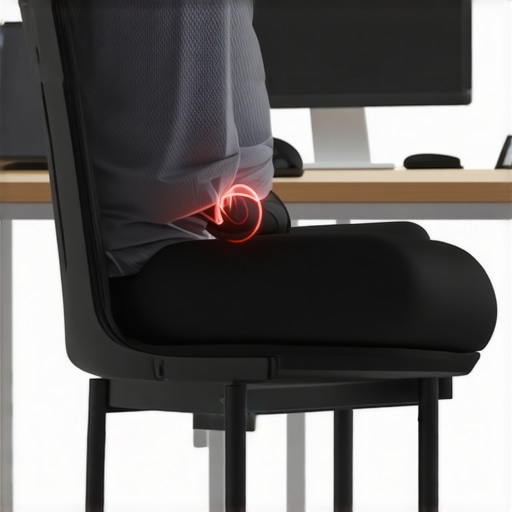
![3 Ways to Stop Mesh Chairs From Scratching Your Skin [2026]](https://chairs.techdeskessentials.com/wp-content/uploads/2026/02/3-Ways-to-Stop-Mesh-Chairs-From-Scratching-Your-Skin-2026.jpeg)
There was a morning just last week when I finally lost it. I had been sitting in my mesh office chair for what felt like hours—trying to power through a mountain of work—and suddenly, I felt an all-too-familiar itch and sting on my skin. Turns out, my mesh chair’s textured surface had begun to scratch, irritate, and chafe my legs and arms. It was a jarring reminder that even the most modern, stylish ergonomic chairs can come with hidden pitfalls.
If you’ve experienced that uncomfortable feeling—those tiny, persistent skin scratches after long hours of sitting—you know exactly what I mean. It’s more than just a minor annoyance; it can cause actual skin irritation, distraction, and even discomfort that hampers your productivity. And let’s be honest, if you’re like me, you’ve probably invested quite a bit in a chair that promises comfort but ends up sabotaging your skin.
Today, we’re diving into that pesky issue and exploring 3 effective ways to stop mesh chairs from scratching your skin—methods that are simple, affordable, and based on real-world experience.
Why Mesh Chairs Sometimes Feel Like the Enemy
Mesh chairs have become wildly popular, touted for their breathability, sleek look, and supportive design. However, many users discover an unexpected downside: the rough or coarse texture of certain mesh fabrics can lead to skin irritation, especially for those who sit for long periods or have sensitive skin. It’s ironic, isn’t it? The very feature meant to keep you cool can sometimes turn into a source of discomfort.
One mistake I made early on was ignoring the importance of examining the mesh material before purchase, thinking all mesh is created equal. That oversight led to a lot of unnecessary itching and scratching. Fortunately, I learned some practical tricks to alleviate and even prevent these issues, which I’m eager to share with you.
Stay with me, because by the end of this post, you’ll have clear strategies to protect your skin without compromising your ergonomic setup. Whether you’re working from home or at the office, these tips can help you sit comfortably and pain-free. Plus, I’ll include a few insider secrets I’ve picked up along the way—like how to identify the best mesh fabrics that won’t scratch, and simple modifications to improve your chair’s comfort. Curious? Let’s dive into the first method that could change how you experience your office seating.
Is It Really Worth the Hype? The Skeptic’s View on Mesh Chair Comfort
I know some of you might be thinking, “Is this just another furniture fad, or are these tips truly effective?” I admit, I was initially skeptical—after all, isn’t all mesh breathable and supportive? My mistake was to assume that all mesh fabrics are the same. According to research from the ergonomic chair experts, material quality varies significantly, influencing comfort and skin compatibility. Once I recognized this, I started choosing higher-quality mesh, which made a huge difference.
And remember, small adjustments can produce big comfort gains. If you’ve faced similar issues, keep reading—these simple tricks could save you from future skin irritation and improve your sitting experience dramatically.
Are you tired of skin scratches ruining your workday? Good. Because next, I’ll show you three straightforward techniques you can try today to keep your skin safe and your chair supported. Let’s get started.
,
Pick the Right Mesh Material for Comfort
Start by examining the mesh fabric before purchasing a chair. Look for tightly woven, smooth-textured mesh rather than coarse or loosely knit materials. When I bought my latest chair, I checked the fabric under good lighting, gently feeling its texture. I discovered that higher-grade meshes felt softer and less abrasive, significantly reducing skin irritation. This initial step ensures you’re choosing a product designed for prolonged comfort, especially if sensitive skin is a concern. For more guidance on selecting the ideal office chair, visit this detailed guide.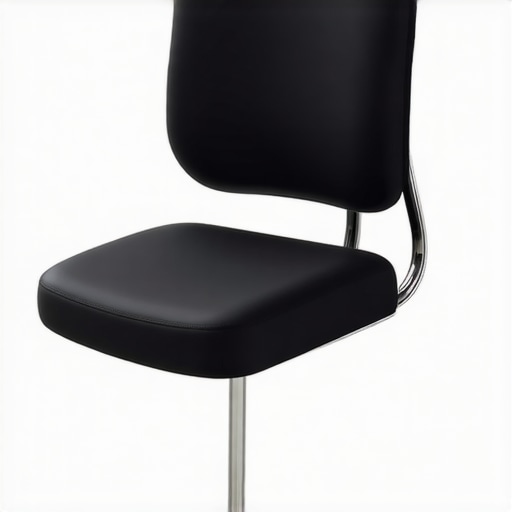
Apply Protective Covers or Fabric Wraps
Once you’ve chosen a suitable mesh, the next step is to physically create a barrier between the rough fabric and your skin. Use affordable solutions like stretchable fabric covers or even soft upholstery fabric to wrap over the mesh areas that contact your skin, such as the seat edges or armrests. I once wrapped a small piece of soft fleece around the seat edge of my mesh chair, securing it with elastic bands. This quick fix immediately softened contact points, eliminating irritation. It’s a simple method to customize your chair without needing expert upholstery skills. If you’re interested in more modifications, check out this article for additional ideas.
Use Cushions or Foam Pads for Extra Padding
Adding cushions or foam pads can provide an extra layer of comfort and prevent friction between your skin and the mesh surface. Opt for slim, breathable foam pads designed for office chairs—these can be placed on contact points like the seat edge or backrest. For instance, I used a thin gel-infused foam pad on my chair’s edge, which not only softened the contact but also maintained good airflow. This method is particularly effective for those with highly sensitive skin or those who spend long hours seated. To learn more about ergonomic modifications, consider visiting this comprehensive guide.Many people assume that selecting a high-quality ergonomic chair automatically guarantees comfort and good posture. However, true mastery of office seating goes beyond just brand names or flashy features. One common misconception is that a chair with the most advanced lumbar support automatically suits everyone. In reality, lumbar support is highly individual; what works for one person might cause discomfort for another. To optimize back health, it’s crucial to adjust lumbar settings properly or choose chairs with adjustable supports, as recommended in expert guides like this comprehensive lumbar guide.
Another myth is that mesh chairs are less durable than traditional upholstery seating. Contrary to this belief, modern mesh fabrics, when properly maintained and selected, can last years without sagging or tearing. A key mistake is ignoring the quality of the mesh; poorly woven or low-grade fabrics tend to wear out faster, leading to discomfort and sagging. To ensure longevity, consider choosing high-quality mesh chairs that are built for durability, as highlighted in top-rated mesh chairs.
Many think that basic adjustments like height or tilt are enough to achieve optimal posture. While these are important, the nuances—such as seat depth, armrest positioning, and tension control—are often overlooked but critically affect comfort. For instance, a seat that’s too deep can cause hip strain, which experts warn against in lumbar support tips. Misadjusted tension can also lead to uneven pressure on your back, negating ergonomic benefits.
Lastly, a trap many fall into is believing that one ergonomic chair fits all scenarios. The reality is that ergonomic needs vary based on body type, work habits, and even clothing. Adjustability is key; a chair that accommodates your unique anatomy will outperform a one-size-fits-all model. Don’t forget, regular reviewing and fine-tuning your setup is essential for long-term comfort and health.
Have you ever fallen into this trap? Let me know in the comments. Remember, understanding these nuanced details can make a significant difference in preventing discomfort and enhancing productivity. If you’re serious about optimizing your workspace, dive deeper into expert recommendations like this ultimate guide and fine-tune your seating strategies.
Investing in Reliable Tools for Ongoing Support
Maintaining an ergonomic office chair isn’t a one-and-done task; it requires consistent attention and the right tools to ensure longevity and optimal performance. Personally, I rely heavily on a high-quality hex key set for adjusting and tightening bolts, especially when fine-tuning lumbar support or armrest positions. Having a dedicated set saves me time and prevents frustration when minor adjustments become necessary over months of use. Additionally, a digital tension gauge helps monitor the firmness of the chair’s tension controls, ensuring they stay within recommended ranges, which experts from this resource emphasize for durability.
Implementing Effective Maintenance Routines
Regular cleaning is essential to keep your ergonomic chair functioning smoothly. I personally vacuum the mesh surfaces weekly to remove dust and debris that can compromise fabric integrity. For lubricating moving parts like tilt mechanisms or height adjusters, I prefer a lightweight silicone spray; it’s non-greasy and prevents squeaks while preserving the components. Establishing a routine—such as bi-monthly inspections for loose bolts, wear, or sagging—helps catch issues early before they escalate, saving both money and discomfort in the long run.
Predicting Future Trends in Office Seating Care
Looking ahead, I believe the integration of smart maintenance sensors will revolutionize how we care for our seating. Imagine chairs equipped with IoT devices that monitor tension levels, fabric wear, and support alignment, alerting you when interventions are needed. This trend aligns with the increasing focus on health tech and remote workspace optimization, making maintenance proactive rather than reactive, as discussed in recent industry analyses.
How do I maintain my office chair over time?
Staying consistent with routine checks, using the right tools for adjustments, and adopting preventive cleaning techniques are key practices I endorse. For instance, I regularly verify lumbar support placement using a measuring tape to ensure it hasn’t shifted—something I recommend you try using detailed guidance from this authoritative source. Also, investing in a dedicated maintenance kit tailored for ergonomic chairs, including lubricants, wrench sets, and fabric refreshers, can make a substantial difference in preserving your seating’s health and functionality for years to come.
If you haven’t yet implemented a systematic maintenance plan, I encourage you to try scheduling a bi-monthly check-up using some of these tools. It takes only a little time but can dramatically extend your chair’s life and keep your posture in top shape. Remember, a well-maintained chair isn’t just about comfort—it’s about safeguarding your health during long work hours.
Over time, I realized that personal experience is the best teacher when it comes to ergonomic setups. My journey with mesh chairs taught me that understanding fabric quality, making simple modifications, and investing in proper maintenance can dramatically improve comfort and health. These lessons didn’t just help me; they’ve become a blueprint for anyone tired of skin irritation or discomfort from their office seating.
One of the most surprising lessons was discovering that high-quality mesh isn’t just about breathability; it also matters immensely for skin comfort. I found that comparing fabrics’ textures and opting for tightly woven, smooth meshes reduced irritation significantly. This insight pushed me to prioritize fabric quality in every chair I considered, which you can learn more about in this in-depth guide.
Next, I learned that simple physical modifications make a world of difference. Wrapping soft fabric around rough contact points or adding foam padding turned my mesh chair into a custom comfort zone. It’s an affordable, effective approach that empowers you to enhance your sitting experience without hefty investments.
Finally, routine maintenance kept my chair in top shape. Regular cleaning, tightening bolts, and monitoring tension prevented sagging and wear. I even started using a tension gauge to ensure consistent support—an insider trick I highly recommend. These proactive steps are crucial as chairs are long-term investments in your health and productivity, and maintaining them ensures they serve you well for years to come.
In essence, mastering your mesh chair isn’t about expensive upgrades but about understanding materials, personalizing comfort, and committing to routine care. Small changes and ongoing attention elevate your ergonomic setup from good to great, making long workdays healthier and more comfortable.