![Why Your Executive Chair Causes Mid-Back Pain: 5 Fixes [2026]](https://chairs.techdeskessentials.com/wp-content/uploads/2026/01/Why-Your-Executive-Chair-Causes-Mid-Back-Pain-5-Fixes-2026.jpeg)
You ever sit down in your executive chair after a long day, only to be greeted by that familiar, gnawing ache right in the middle of your back? That sudden dull pain that sneaks up on you, making you wonder if you accidentally sat on a tiny stone? Yeah, I’ve been there too. I vividly remember the day I realized my plush, supposedly ergonomic office chair was actually waging a silent war on my back health. The comfort felt great at first, but those persistent mid-back pains told a different story. It was a lightbulb moment—something was wrong, and I had to fix it.
In this post, I want to share with you what I’ve learned about why so many executive chairs, even the stylish ones, can cause mid-back pain—and more importantly, how you can resolve this once and for all. If you’ve been battling discomfort and wondering whether your chair is secretly sabotaging your health, then stick around. We’re about to uncover the common mistakes and effective fixes that could change your work-from-home or office experience entirely.
Why Your Office Chair Might Be the Culprit Behind Your Mid-Back Pain
The truth is, many of us don’t realize that a chair’s design can dramatically impact our posture and comfort. An ill-fitting or poorly adjusted executive chair can lead to slouching, reduced lumbar support, and strain in the mid-back region. Over time, these effects snowball into chronic discomfort or even long-term posture issues. Interestingly, a study published in the National Library of Medicine reveals that poor seating posture contributes significantly to office-related musculoskeletal disorders.
Early in my journey, I made the mistake of assuming that plush padding meant better support. Turns out, plush isn’t always supportive—it’s just comfortable. That misunderstanding led me to overlook crucial ergonomic features like lumbar support and seat depth, which are lifesavers for preventing mid-back pain. The good news? Once I started paying attention to these details, my discomfort faded.
Today, we’ll explore five practical fixes to transform your chair into a healthier, pain-free seat. Whether you’re working from a sleek executive desk or a simple home setup, these adjustments and choices can make a world of difference. Ready to ditch the aches for good? Let’s dive into the first fix.
Is Your Chair Really Worth the Hype? The Skeptic’s Dilemma
I’ll admit, early on, I was skeptical about the fuss around ergonomic features. I thought, “How much difference can adjustable lumbar supports or seat angles really make?” That hesitation cost me precious months of discomfort. The truth is, many of us fall into the trap of assuming that a fancy-looking chair is all we need. But without proper adjustment—things like lumbar support height and tilt—you’re just wasting your investment. Want to get it right? Check out this guide on top mesh office chairs with lumbar support for some tried-and-true recommendations. Now, let’s explore how pinpointing and correcting these issues can ease your back pain and boost your productivity.
Adjust Your Chair Properly to Fit Your Body
Starting with a well-fitted chair is crucial. Begin by setting the seat height so your feet are flat on the floor and your knees are at a 90-degree angle. Think of your chair like a throne: it should elevate you confidently without making you crane your neck or slump forward. I recall the first time I lowered my seat, realizing my hips were unaligned, which immediately eased the pressure on my mid-back. Make these minor adjustments to achieve maximum comfort and proper posture.
Set the Lumbar Support Correctly
Adjust the lumbar support so it snugly contours the curve of your lower back. This is like adding a custom pillow that supports your spine’s natural arch. Without it, your mid-back compensates for the lack of support, leading to pain. Use the adjustable lumbar feature often found in quality mesh chairs—test different heights and depths until you feel a firm yet comfortable support behind your lower back. Proper lumbar placement can prevent slouching and distribute pressure evenly across your back muscles.
Adjust the Seat Depth for Optimal Support
Ensure that the seat depth supports your thighs without pressing against your knees. Sit back fully and check if you can slide a finger between the edge of the seat and the back of your knees. If the seat is too deep, it will cause your hips to tilt forward, overstraining your mid-back. I once faced persistent discomfort because my seat was too long, ignoring this adjustment. By reducing the seat depth slightly, I found immediate relief and better posture. This tweak ensures your pelvis maintains a neutral position, reducing strain on your back.
Use Desk and Monitor Ergonomically
Adjust your monitor height so the top of the screen is at eye level. Visualize your neck as an elegant line; if your monitor is too low or high, it causes you to crane or tilt, affecting your entire spine. Think of your setup like a well-tuned instrument—every part working in harmony. I once used a stack of books to elevate my monitor temporarily, which instantly minimized neck and mid-back strain. Proper monitor placement supports your entire ergonomic chain, preventing compensatory posture shifts that cause pain.
Practice Regularly Moving and Stretching
Standing up and stretching every 30 minutes keeps your muscles flexible and avoids stiffening that leads to pain. Imagine your back muscles as elastic bands—they need slack to function properly. I set a timer as a reminder, and each short break included gentle stretches that relieved accumulated tension. These moments reset your posture and improve circulation, directly impacting your mid-back health.
Consider Upgrading to a Better Mesh Chair
If adjustments don’t fully resolve your discomfort, it may be time to invest in a top-tier ergonomic chair. Look for models with adjustable lumbar support, seat depth, and tilt features. Think of your chair as the foundation of your workspace; a high-quality one offers personalized support that obeys your body’s needs. For trusted options, explore top mesh office chairs with lumbar support. Upgrading can seem costly but pays off in long-term comfort and health benefits.Many assume that choosing a mesh chair inherently guarantees comfort and proper support, but this is a dangerous oversimplification. Contrary to common belief, not all mesh chairs provide the same level of lumbar support or adjustability, and overlooking these nuances can perpetuate back pain. For instance, some inexpensive mesh chairs boast impressive-looking specifications but lack the actual ergonomic features necessary for long-term comfort, such as adjustable lumbar supports or seat-depth controls. Studies, like those referenced in this comprehensive guide, show that user-adjustability is crucial in preventing discomfort. An advanced mistake many make is believing that “one size fits all”—but your back’s curvature and workload demand personalized support.
Are Headrests or Lumbar Support Really Necessary for Long-Term Comfort?
This question often puzzles even experienced ergonomists. While headrests can alleviate neck strain, over-reliance on them may encourage poor posture if the rest of the chair isn’t supporting the spine’s natural curves. Properly designed lumbar support, on the other hand, ensures your lumbar lordosis is maintained, reducing mid-back tension. External sources like this guide highlight that the lumbar region is a keystone for overall spinal health. Beware of the trap where users adjust lumbar supports too high or too low, negating the intended benefits. The real secret lies in customizing the support to match individual anatomy—no generic setting will do. Also, be cautious when evaluating mesh chairs; look beyond the superficial design and assess actual adjustability features. High-quality ergonomic chairs like those reviewed in this comparison offer insights into what makes a mesh chair truly supportive. Using the right configuration, combined with awareness of common pitfalls—like adjusting lumbar support against the natural curvature—can be the difference between comfort and chronic pain. Want to avoid these mistakes? Regularly revisit your settings, and don’t hesitate to consult professional advice through our contact page. Have you ever fallen into this trap? Let me know in the comments.
Once you’ve customized your ergonomic office chair to suit your body perfectly, the journey doesn’t end there. Regular maintenance is essential to keep your chair functioning optimally, ensuring continued support and comfort. One of the most effective tools I personally use is a tension gauge – a simple device that measures the spring tension in your chair’s gas lift. Over time, gas lifts can sag, causing height adjustments to become unreliable. Using a tension gauge helps me identify when my gas lift needs re-tensioning or replacement, preventing that sinking feeling during key work moments. For detailed guidance, I refer to this resource on seat support adjustments. In addition to tools, routine cleaning of the mesh fabric and moving parts prevents dust accumulation, which can impair smooth adjustments and reduce lifespan. I recommend a gentle vacuum and wiping with a damp cloth every few months—this straightforward routine extends the chair’s durability and maintains optimal support.
Beyond physical upkeep, software alarms or reminder apps can prompt you to perform this maintenance periodically, helping establish a routine before issues arise. Technological aids like chair-specific adjustment apps are still emerging, but smartphone reminders serve well for guiding maintenance schedules. As ergonomic technology advances, I predict more smart chairs will incorporate sensors to alert users when tension or support features need attention, making routine maintenance more proactive and effortless. Stay ahead of this trend by keeping your current chair in prime condition—your back will thank you.
How do I maintain my chair over time to prevent mid-back discomfort?
Implementing a regular maintenance schedule that includes tension checks, cleaning, and periodic adjustments is crucial. Use tools like tension gauges to immediately diagnose any loss of support, and don’t hesitate to replace worn components. Establish a routine, perhaps every three to six months, to inspect and maintain your chair’s settings, ensuring continuous ergonomic support. This proactive approach preserves lumbar support efficacy and avoids issues that can develop from neglect, such as slouching or muscle strain. Remember, a well-maintained office chair is a long-term investment in your health and productivity. For more comprehensive tips on ergonomic upkeep, visit our contact page.
Over the course of my ergonomic journey, one invaluable lesson stands out: the importance of personalized support cannot be overstated. While countless guides emphasize adjustability, I realized that truly understanding my body’s unique curves and needs was the game-changer. For instance, I once thought that simply having lumbar support was enough, but after experimenting with different positions and getting professional advice, I uncovered subtler adjustments that made all the difference. It taught me that trust and patience are key—your ideal ergonomic setup is a personal discovery, not a one-size-fits-all solution.
Another insight I gained was about the durability of support features. My first high-end mesh chair seemed perfect initially, but over time, I noticed support slipping or feeling less firm. Regularly checking and maintaining tension in the gas lift and support mechanisms preserved my chair’s performance—and my back health. Investing in quality tools like tension gauges and dedicating time for routine upkeep proved that a proactive approach can extend your chair’s lifespan and support efficacy significantly.
Finally, I learned that ergonomic comfort isn’t just set-and-forget; it demands continual attention. As my posture and workload evolved, I adapted my setup accordingly. Subtle tweaks—reducing seat depth here, adjusting lumbar height there—kept discomfort at bay. The key takeaway? Your comfort journey is ongoing, and staying informed through trusted resources and feedback ensures your office chair remains a true extension of your health and productivity.
![4 Executive Office Chairs for Remote CEOs Who Sit 10+ Hours [2026]](https://chairs.techdeskessentials.com/wp-content/uploads/2026/01/4-Executive-Office-Chairs-for-Remote-CEOs-Who-Sit-10-Hours-2026.jpeg)
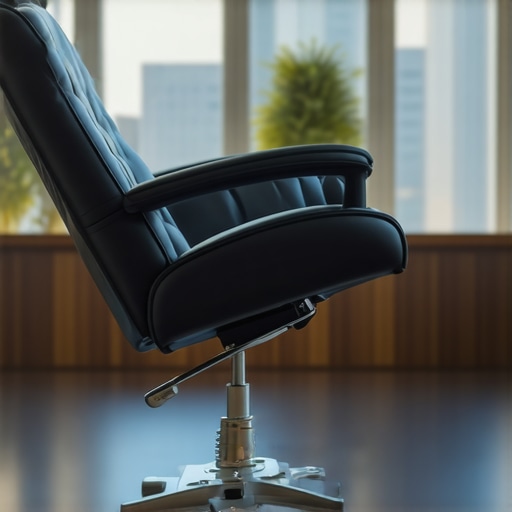
![3 Signs Your Executive Chair Is Too Big for Your Back [2026]](https://chairs.techdeskessentials.com/wp-content/uploads/2026/03/3-Signs-Your-Executive-Chair-Is-Too-Big-for-Your-Back-2026.jpeg)
Reading through this post really resonated with me because I used to ignore the importance of proper seat depth adjustments. I thought plush padding was enough, but I often experienced mid-back pain after long hours at my desk. Once I started paying attention to the seat depth — ensuring it supported my thighs without pressing into my knees — I noticed a significant improvement. It’s incredible how small tweaks can make such a big difference in preventing discomfort.
I’m curious, has anyone found that combining a well-adjusted chair with regular movement and breaks is the most effective way to maintain comfort throughout the day? I’ve been experimenting with timers to remind myself to stand and stretch, but I’d love to hear what others have found helpful in managing mid-back tension, especially during busy workdays.