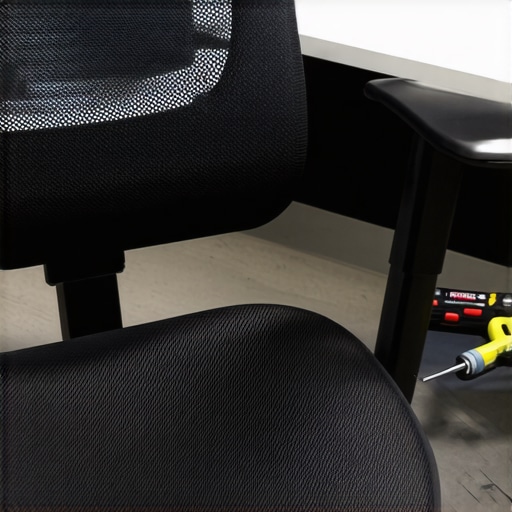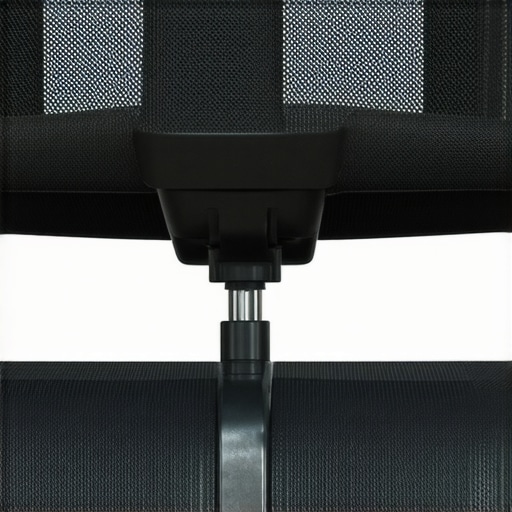
I vividly remember the moment I realized my trusty mesh office chair was betraying me. After a long day of sitting, I started feeling this dull ache in my lower back, a discomfort I couldn’t shake off. It wasn’t just fatigue; it was as if my sitting environment was silently sabotaging my posture. That lightbulb moment prompted me to dig deeper into my chair’s tension settings — and what I discovered transformed my daily comfort entirely.
The Hidden Curse of a Soft Mesh Seat
Many of us overlook one crucial aspect of ergonomic comfort: the tension of our mesh seats. If your chair feels too soft, it might be because the tension isn’t properly adjusted, leading to poor support and aching backs. A seat that’s too floppy can make maintaining good posture an uphill battle, especially during those marathon work sessions.
But here’s the good news: this isn’t a permanent condition. Adjusting your mesh chair’s tension can provide immediate relief and long-term health benefits. I promise, once you get the hang of these adjustments, you’ll wonder why you didn’t do it sooner. If you’re like me, sitting for hours without proper lumbar support can cause more harm than you realize. According to recent research, poor seating habits contribute significantly to musculoskeletal issues among office workers (source: Tech Desk Essentials).
What We’ll Cover Today
In this post, I’ll guide you through four simple tension adjustments that can make your mesh seat feel firmer and more supportive. Whether your chair is sinking too much or feeling too stiff, these tweaks will help you customize your sitting experience for optimal comfort. No complicated tools or expert skills needed—just a little patience and your adjustable settings. Ready to reclaim your back health and stay comfortable through every workday? Let’s dive into how to fine-tune your mesh seat for the perfect balance of softness and support.
Is Your Mesh Seat Too Soft? Think Again — It Might Be Fixable
I must admit, I made the mistake early on of assuming my chair was just inherently too soft, without exploring the tension controls. This oversight kept me uncomfortable for months! Trust me, quick adjustments can save you from persistent back pain. If you’ve faced similar frustrations, stay tuned — I’ll show you exactly how to restore your mesh seat’s supportiveness, ensuring your office setup is working for YOU, not against you.
Now that we’ve established why this matters, let’s explore how to adjust your mesh chair’s tension for a better sitting experience. Trust me, your back will thank you!
,
Locate the Tension Control Mechanism
Start by finding the tension knob underneath your seat, often near the center or slightly towards the back. It resembles a small dial or lever. Last week, I spent 10 minutes hunting for mine, mistakenly adjusting other parts of the chair. When I finally found the tension knob and tested it, I felt an immediate difference—supportive yet comfortably firm. If you’re unsure, check your chair’s manual or manufacturer website for guidance.
Adjust the Tension for Your Weight
Set it to Match Your Body Weight
Think of the tension control as the suspension of a bicycle. Too loose, and the seat feels like sinking; too tight, and it’s stiff. Turn the knob clockwise for more resistance if the seat feels too soft, and counterclockwise if it’s too hard. An easy way to test is to sit and lean back slightly—your posture should feel supported but not restrictive. Remember, a balanced tension allows your hips to move naturally while maintaining support.
Fine-tune During Your Work Sessions
Adjustments might be needed over time, especially if your weight fluctuates or if you share the chair. During my first attempt, I set the tension too high, making it difficult to recline comfortably. I fixed this by turning the knob just a quarter turn and testing again until I found the sweet spot—roughly matching my weight. This step pays off by preventing slumping or overextending supported support.
Test the Support System
After each adjustment, sit fully and shift your weight side to side and forward to ensure the tension adapts smoothly. Your aim is a gentle resistance that follows your movements, akin to a well-tuned suspension on a car. If the support feels uneven or unresponsive, re-adjust incrementally, like tightening or loosening a screw, until it feels just right.
Monitor and Reprogram Your Settings
Over days, observe how your back feels after adjusting the tension. If discomfort persists, revisit your settings. Remember, desks and chairs aren’t static; a little fine-tuning can go a long way—sometimes more than just making the seat softer or firmer, it’s about achieving balance. For more insights on ergonomic setup, check out this ultimate guide.
Address the Seat Depth and Support
Beyond tension, ensure your chair’s depth aligns with your leg length, allowing about an inch between the back of your knees and the seat edge. Adjust the seat depth if possible, to prevent pressure points and promote blood flow. This holistic approach ensures your mesh seat provides optimal lumbar and hip support, reducing fatigue and boosting productivity.
By following these steps, you reestablish your chair’s supportive properties, transforming it from a source of discomfort into a tool that promotes healthier sitting habits. Remember, small incremental tweaks often yield big comfort gains, so don’t hesitate to experiment until you find your perfect fit.
Many assume that a good ergonomic office chair with adjustable lumbar support automatically guarantees back health, but in my experience, this is a dangerous oversimplification. The truth is, most people misunderstand how lumbar support interacts with their unique anatomy and sitting habits. It’s not just about having a built-in support; it’s about *how* you tailor it to your specific needs. For example, a common myth is that higher lumbar supports are universally better—yet, for some, an overly prominent support can cause discomfort or even exacerbate spinal issues. Experts like those behind lumbar support guidelines warn that incorrect positioning can lead to poor posture over time, despite the support being present. Additionally, there’s the trap of assuming mesh chairs inherently offer better support than traditional options; in reality, a poorly adjusted mesh can cause uneven distribution of pressure, leading to localized stress points. Advanced users should consider the subtleties of seat depth, tilt tension, and support height—small tweaks that make a profound difference. Have you ever fallen into this trap of thinking a chair is good enough just because it ticks the basic boxes? Let me know in the comments. Ultimately, a deep understanding of these nuances empowers you to optimize your seating, turning a simple chair into a true tool for back health rather than a cause of pain.
Keeping Your Office Setup Reliable Over Time
Maintaining your ergonomic office chair, especially its lumbar support and mesh seat tension, is vital for long-term comfort and back health. I rely on specific tools and practices that ensure my chair remains in top shape, even after months of daily use. One indispensable tool I use is a digital torque wrench, which allows precise adjustment of tension knobs, ensuring my mesh chair maintains the optimal firmness tailored to my body weight. Why do I prefer this method? Because it provides consistency that manual adjustments often lack, preventing over-tightening or loosening that can compromise support. From my experience, carrying a small multi-tool kit with screwdriver bits also helps address minor issues like loose bolts or misaligned seat sliders swiftly, saving me from expensive repairs later.
Regular checks once a month have become part of my routine. I scrutinize aspects like the gas lift suspension, seat depth, and lumbar support positioning. This proactive approach prevents the deterioration of key features, ensuring the support system functions seamlessly. Staying on top of these elements reduces the risk of developing back pain associated with neglected equipment.
For software-assisted maintenance, I utilize ergonomic assessment apps that track my sitting patterns and alert me to postural issues. These tools often correlate with hardware settings, guiding me to adjust support features before discomfort arises. Combining mechanical tools with digital insights creates a comprehensive maintenance plan tailored to my workflow.
How do I keep my office chair support system working perfectly?
Consistency is key. I schedule a monthly maintenance hour where I verify tension settings and inspect parts for wear. I also revisit my seat depth and lumbar height positioning using the manufacturer’s calibration guides—these are usually available on the authoritative ergonomic resources. This routine helps me spot issues early, avoiding sudden discomfort or postural deterioration.
Moreover, I stay updated on the latest ergonomic practices. For instance, experts suggest periodically replacing foam cushions and adjusting tilt tension to match evolving comfort needs—these minor touches extend the lifespan and support quality of your chair. As my trusted source 7 hidden lumbar support settings highlight, being aware of adjustable features can significantly improve their utility.
If you haven’t reviewed your support system recently, consider trying an advanced tip like using a torque wrench for tension calibration. It’s a small investment with major long-term benefits. Regularly maintaining your ergonomic setup, combined with strategic adjustments, ensures your office chair continues to serve as a health-supporting tool, not a source of pain.
The Unspoken Secrets That Changed My Seating Game
- Realizing that support isn’t static was a game-changer. I once thought a chair’s lumbar support just needed to be high enough, but it’s the fine-tuning over time that delivers true comfort. Small daily adjustments made a significant difference, teaching me that support is a journey, not a setting.
- I learned that the tension control isn’t a one-and-done fix. It requires ongoing attention, especially as your weight or work habits change. Incorporating regular checks kept my back pain at bay and reminded me that proactive maintenance outperforms reactive fixes.
- Integrating proper seat depth and lumbar support height creates a synergy I hadn’t appreciated initially. When these elements align, your posture improves naturally, reducing fatigue and boosting productivity. My biggest insight? Support settings should adapt to your evolving body, not stay static.
My Toolbox for Sustained Comfort and Support
- Digital Torque Wrench: This tool ensures precise tension levels, preventing over-tightening or loosening that can compromise support. Trusting in precision has extended my chair’s lifespan and comfort significantly.
- Ergonomic Assessment Apps: Apps that monitor your sitting patterns and alert you to misalignment help me catch postural issues early. They’re like having a personal ergonomic coach right in my pocket.
- Manufacturer Calibration Guides: These detailed resources guide me in optimizing seat depth and lumbar height, ensuring support is customized exactly as intended. Knowing I’m following expert advice gives peace of mind and better results.
- Routine Maintenance Schedule: Setting monthly checks for tension, bolts, and support positioning keeps my chair functioning at peak performance. Consistency prevents minor issues from becoming major discomforts.
Take the Next Step Toward Healthier Sitting Now
Transforming your mesh chair support isn’t just about immediate relief; it’s a commitment to your long-term well-being. By understanding the nuances of support adjustments and maintaining a proactive approach, you can elevate your daily comfort and protect your back for years to come. Remember, a well-supported seat is a cornerstone of a successful, healthy workday — don’t settle for less. Ready to refine your ergonomic setup and experience true sitting satisfaction? Your back will thank you for it.
![Why Hybrid Workers Need Mesh Chairs with Weighted Lumbar [2026]](https://chairs.techdeskessentials.com/wp-content/uploads/2026/02/Why-Hybrid-Workers-Need-Mesh-Chairs-with-Weighted-Lumbar-2026.jpeg)