![5 Hidden Signs Your Lumbar Support Is Failing [2026 Update]](https://chairs.techdeskessentials.com/wp-content/uploads/2026/01/5-Hidden-Signs-Your-Lumbar-Support-Is-Failing-2026-Update.jpeg)
Ever found yourself slouching painfully in your office chair after a long day, only to realize that your lumbar support has subtly turned into a silent culprit for your backache? I remember the exact moment when I sat down after hours of work and felt that unmistakable dull ache creeping up my lower back—it was as if my chair’s support was giving up on me. That realization hit hard. We invest in ergonomic chairs and lumbar supports, expecting them to be lifelong allies for our backs. But surprise: even the most premium supports can start failing without us noticing, leading to discomfort, stiffness, and long-term harm.
The Office Support System You’re Counting On Might Be Failing
Knowing when your lumbar support is truly compromised is key, especially as many of us are spending more hours seated than ever. Today, I’m here to share the five hidden signs that your lumbar support isn’t doing its job anymore and how you can identify these issues before they turn into chronic problems. Think of it as a health check-up for your chair, because the truth is—your back’s health depends on it.
Is the Hype About Lumbar Supports Just a Gimmick?
I used to believe that once I bought that trendy, high-end ergonomic chair, I was set for years. My mistake? I ignored the subtle signals my body was sending. Early on, I thought occasional discomfort was normal or just due to fatigue. But little did I know, neglecting these signs can lead to serious posture issues and back pain. As noted by health experts, failing lumbar support can accelerate back problems, making early detection more crucial than ever (source).
So, how do you know if your lumbar support is losing its mojo? Let’s uncover the tell-tale signs that even the most hidden, sneaky indicators—like increased stiffness or subtle shifts in comfort—are worth noting. Recognizing these signs now can save you from a lot of pain and dollars later.
If this sounds familiar, stay with me. We’re about to delve into the top five warning signals your lumbar support is in trouble—and what practical steps you can take today to fix it. Because, believe me, a healthy back is a happy back.
Conduct a Visual Inspection of Your Office Chair
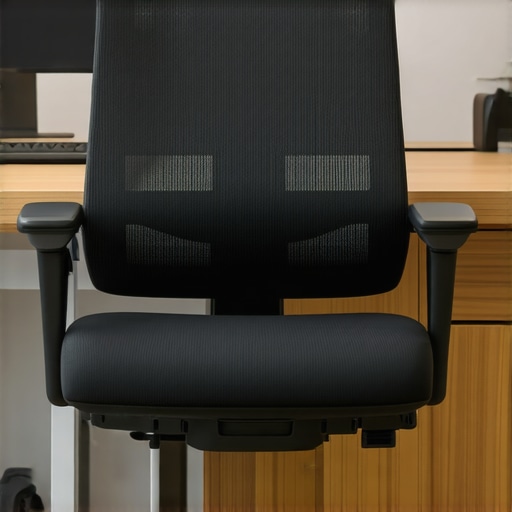
Start by examining your chair’s lumbar area for signs of wear, sagging, or deformation. Pull back any fabric or mesh cover to assess whether the support padding or structure is compromised. I once noticed a small tear in my mesh lumbar support that I initially ignored; over time, it led to decreased comfort and increased back soreness. Fixing these issues early prevents further deterioration and maintains optimal support.
Check for Structural Damage
Look for cracks or broken components in the lumbar frame or support mechanism. For mesh chairs, examine if the tension or mesh fabric is stretched out or sagging. Remember, a compromised support directly impacts your posture, leading to discomfort. If you find damage, consider contacting the manufacturer or replacing the support component for a reliable fix. Learn more about mesh office chairs with lumbar support.
Test Your Lumbar Support Functionality
Adjust your chair to a proper ergonomic position, ensuring your feet are flat on the floor and your back is supported. Sit for a few minutes and pay close attention to how the lumbar area feels—does it provide consistent support? I once used a small, firm cushion to bolster a sagging lumbar area temporarily; this hands-on approach revealed exactly when my support was no longer effective, prompting me to upgrade.
Identify Signs of Reduced Support
Key indicators include increased back fatigue, persistent stiffness, or a feeling of unsupported lumbar curvature. If these symptoms appear after hours of sitting, your support might be failing. For a more comprehensive understanding, check the lumbar support in office chairs guide.
Adjust and Optimize Support Settings
Many ergonomic chairs feature adjustable lumbar support mechanisms. Fine-tune the height and depth to align perfectly with your lumbar curve. During my trial, I noticed that moving the support a few centimeters upward significantly reduced my lower back pain. Investing time in this adjustment ensures maximum support efficacy and personalized comfort.
Experiment with Support Intensity
If your chair’s support is adjustable, increase or decrease the tension to find the sweet spot where your lower back feels supported without restriction. Proper tension maintains the natural inward curve of your lumbar spine. Remember, the goal is to mimic the natural shape of your lower back, preventing slouching and promoting healthy posture.
Explore Replacement or Upgrade Options
If your current support is beyond repair, consider upgrading your office chair or purchasing ergonomic lumbar support accessories. Comparing best ergonomic office chairs for lumbar support can guide you toward a model that suits your needs. During my research, I installed a dedicated lumbar cushion, which provided immediate relief and enhanced my seating experience.
Assess Compatibility and Fit
Ensure that any replacement supports or cushions are compatible with your chair type—mesh, leather, or fabric. Proper fitting is crucial; an ill-fitting support can be just as ineffective as a worn-out one. If you’re uncertain, reach out via the contact page for expert advice.
Maintain Support Effectiveness Regularly
Schedule periodic evaluations of your lumbar support to catch early signs of wear. Clean support surfaces as recommended to prevent deterioration. I set a reminder every three months, which helped me catch a small tear before it compromised my support entirely, saving me from discomfort and extra costs.
Implement Ergonomic Habits
Complement support adjustments with proper sitting habits—sit upright, avoid slouching, and take breaks every hour. Ergonomics is a combination of equipment and behavior. You can learn more about maintaining good posture with ergonomic office chairs guide.
Many assume that selecting an ergonomic chair with adjustable lumbar support guarantees back health, but let’s dig deeper. The truth is, most people get wrong the nuances that differentiate good support from superficial fixes. For instance, a prevalent myth is that all mesh chairs inherently promote better back health; however, as highlighted in recent ergonomic studies, mesh support can sag over time, losing its elasticity and effectiveness if not maintained properly (source). Moreover, many believe that placing a cushion or pillow behind their back automatically improves posture — in reality, this can lead to inadvertent alignment issues if not chosen carefully and positioned correctly.
Why do some office chairs with advanced features still cause back pain?
Because feature-rich designs often focus on aesthetics or a range of adjustments that, without proper user education, can be misconfigured, leading to suboptimal support. The advanced mistake here is assuming that a high-tech chair alone will prevent discomfort; in fact, proper setup and understanding are crucial. Furthermore, a common oversight is neglecting the importance of seat depth and height adjustment, which are vital to maximizing lumbar support efficacy. Overlooking these details may cause users to rely solely on the lumbar mechanism, ignoring other ergonomic adjustments that contribute significantly to long-term comfort. An expert in ergonomic design emphasizes that dynamic sitting, which involves changing postures throughout the day, plays a vital role in back health, contrasting with static positions many office workers default to (source). Have you ever fallen into this trap? Let me know in the comments. Remember, integrating knowledge about the subtle failures of your support system can save you from chronic discomfort and costly replacements. It’s not just about choosing the right chair but understanding how nuanced adjustments and maintenance impact your long-term posture and health.
Maintaining an ergonomic workspace isn’t a one-and-done task; it requires deliberate strategies and the right tools to ensure your chair’s lumbar support and overall setup stay effective over time. One of my go-to tools is the adjustable lumbar support cushion paired with mesh chairs with built-in lumbar support. I personally prefer a memory foam cushion that conforms to my lower back’s shape, providing consistent support even as my posture shifts during long work sessions. Regularly inspecting your chair’s mechanisms with a multi-tool kit allows me to tighten screws and calibrate support settings, preventing gradual deterioration. For example, a quick check with a torque screwdriver ensures that tension adjustments remain effective, avoiding sagging or misalignment that could compromise support.
To track and optimize support, I rely on ergonomic software like ergonomic assessment apps. These tools analyze your sitting patterns and remind you to adjust your posture or support features at regular intervals. Incorporating gentle stretching routines using guided video apps during breaks encourages posture shifts, which can extend the life of your chair’s support structures.
Predicting future trends, I believe smart office furniture equipped with sensors will become the norm—automatically adjusting lumbar support based on real-time feedback. This evolution will significantly reduce manual maintenance efforts, making ergonomic perfection effortless for users.
How do I keep my ergonomic setup functional over time?
To ensure your workspace remains supportive long-term, schedule monthly inspections of support mechanisms and update your equipment as needed. Clean mesh supports carefully with a damp cloth to remove dust that can stiffen fabric or degrade tension. Upgrading components like support straps or replacing worn cushions can often extend your chair’s lifespan by several years. For detailed guidance, the mesh chair tension restoration article offers practical techniques.
Beyond tools, cultivating ergonomic habits—such as adjusting your seat height regularly and avoiding static postures—maximizes support longevity. Remember, a well-maintained chair with properly calibrated lumbar support not only prevents discomfort but also prolongs the overall health of your back. So, why not try recalibrating your support tension today and see how a small tweak can make a big difference? More detailed recommendations on selecting support maintenance routines can be found in the lumbar support guide.
What I Didn’t Expect About Lumbar Support’s Hidden Failings
One of the biggest revelations I had was how easily lumbar support can subtly decline without obvious signs, which made me realize the importance of regular inspections. I learned that even minor sagging or deformation can have long-term impacts on posture and comfort, especially if ignored over months. A real lightbulb moment was understanding that support isn’t just about the initial purchase—it’s about ongoing maintenance and awareness.
Tools and Resources That Made a Difference in My Ergonomic Journey
Discovering a quality ergonomic office chair with adjustable lumbar support transformed my workspace. I also rely on ergonomic assessment apps to monitor sitting habits, which help me make quick adjustments and prevent support degradation. A dedicated lumbar cushion became my go-to, filling in gaps when supports sagged temporarily. These tools collectively keep my back comfortable and my posture intact.
Embracing Change: My Personal Push Toward Better Back Health
Switching from complacency to proactive support management didn’t happen overnight. It took commitment to schedule regular reviews, practice ergonomic habits, and stay curious about new solutions. I want to encourage you: start small—maybe just a quick chair check today. Your future self will thank you for investing in your back health now. For more insights on maintaining long-lasting support, explore our lumbar support guide and discover how simple tweaks can make a lasting difference.


I really appreciated the detailed breakdown of how to check for lumbar support issues—especially the visual inspection part. I’ve recently noticed some stiffness after long hours of sitting, but I wasn’t sure if it was my posture or the chair. Your advice on inspecting for wear and tear, like sagging mesh or cracks, makes a lot of sense. I’ve also found that small adjustments in support tension can make a huge difference in comfort during the day. One thing I’ve started doing is setting reminders every few months to reevaluate my chair’s support features and take note of any subtle signs of degradation. It’s fascinating how seemingly minor issues can evolve into long-term problems if ignored. For those of you struggling with back fatigue, I’d recommend experimenting with different support heights and tension levels to find that perfect fit. Have any of you tried ergonomic software or apps to monitor your posture and support health? I’d love to hear what tools or routines others find most helpful!