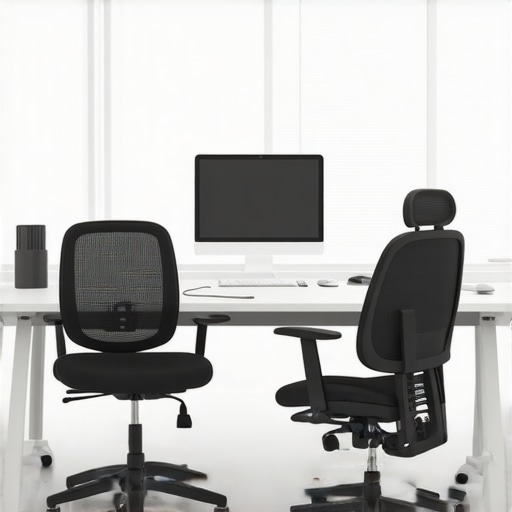
I remember the moment vividly—sitting at my desk, shoulders clenched, back aching, and realizing I had spent the last hour hunched over, desperately trying to ignore the dull pain creeping up my spine. It hit me then: my chair wasn’t just uncomfortable; it was actively harming my posture. That lightbulb moment led me down a path to discover true ergonomic support, and honestly, it changed everything.
Why a Good Office Chair Can Save Your Back—and Your Day
For years, I brushed off the importance of sitting properly, thinking a chair was just a place to rest while working. But the truth is, many of us spend countless hours in these everyday essentials, yet few know how to choose one that truly supports our bodies. An ergonomic office chair isn’t just a luxury—it’s a necessity for maintaining **healthy posture** and preventing long-term back issues.
Did you know that poor seating can contribute to chronic back pain, which affects up to 80% of adults at some point? (Source: NCBI) That statistic hit me hard and prompted my search for the perfect chair that could support my lumbar and promote better sitting habits.
In my early days of exploring ergonomic seating, I made a costly mistake—assuming that all office chairs are created equal. I bought a trendy mesh chair without considering lumbar support, only to find my back aching after just a few hours. That mistake taught me the importance of prioritizing support features, especially lumbar support, which is crucial for long-term comfort and health.
Is All the Buzz About Ergonomic Chairs Really Worth It?
If you’re skeptical about investing in an ergonomic chair, I get it. I was too, at first. But I learned that the right chair can make a significant difference—improving not only comfort but also productivity and focus. In the sections ahead, I’ll share practical tips and insights from my own experience to help you choose a chair that truly supports your posture and keeps you comfortable during those long workdays. Want to dive deeper into what makes a chair great? Check out this guide for expert advice.
Position Your Chair Correctly to Maximize Support
Start by adjusting your chair’s height so your feet rest flat on the ground, and your knees are at a 90-degree angle. Think of your chair as a stool that brings your hips to the level of your knees, creating a natural sitting position. I once neglected this and found myself leaning forward constantly; a quick fix with the right height instantly alleviated that tension.
Align Your Lumbar Support Precisely
Most ergonomic chairs have adjustable lumbar support—use it to fill the natural curve of your lower back. Lock it in place so that it supports your lumbar spine directly, not just the general area. In my case, I moved the support up and down multiple times until it perfectly aligned with my lumbar curve, resulting in a noticeable reduction in lower back pain. For more insights, see this guide.
Set the Backrest to the Right Angle
Adjust the backrest to a slight recline—about 100 to 110 degrees. This position reduces strain on your lumbar region and promotes better circulation. I initially kept it upright, which caused stiffness, but tilting back just a bit improved comfort significantly. Remember, the goal is a relaxed yet supported posture that keeps your spine aligned.
Incorporate Seat Depth and Armrest Adjustments
Adjust your seat depth so that there’s about a two-finger-width gap between the back of your knees and the seat edge. This prevents pressure points and promotes circulation. Similarly, set your armrests so your shoulders are relaxed, and your elbows rest comfortably at a 90-degree angle. I learned the importance of armrest positioning when I realized my shoulders were tense after hours of improper support; proper armrest height eased that tension considerably. For more ergonomic tips, visit this resource.
Maintain Neutral Head and Screen Placement
Position your monitor so that the top of the screen is at eye level. Use a stand if necessary. Keep your head aligned with your spine to avoid neck strain. I remember balancing my monitor on a pile of books for a day, which worked temporarily but was unstable; investing in a steady monitor stand provided lasting relief and proper alignment.
Use a Mesh Chair to Maximize Breathability
Opt for a mesh chair when you want better airflow and cooling. Mesh supports are often more flexible and adaptive, helping to evenly distribute your weight. If you tend to overheat during long hours, choosing a mesh chair with lumbar support can be a game changer. Remember, comfort isn’t just about softness; it’s about active support that allows movement and prevents sweating.
Regularly Check and Readjust
Your body isn’t static—revisit adjustments every few weeks. Micro-adjustments keep your support precise and prevent postural fatigue. I set a calendar reminder to evaluate my setup; what once felt perfect gradually drifted out of alignment. Staying proactive ensures your support remains optimal and your posture stays healthy. For ongoing guidance, explore this complete guide.
Many assume that all office chairs, especially mesh and ergonomic types, are created equal, but in practice, this is far from the truth. A common myth is that investing in any adjustable chair guarantees proper support. In reality, the fine nuances—like the quality of lumbar support and the material’s adaptability—make a significant difference in comfort and health. For instance, low-end ergonomic chairs might boast adjustable lumbar supports, yet their support can be flat or overly rigid, offering little genuine relief. It’s akin to a false sense of security—believing support is universal, when in fact, tailored support mapping to your unique spinal curvature is crucial.
Are All Lumbar Supports Truly Equal, or Is There a Hidden Difference?
Many overlook the fact that lumbar support should be dynamic, conforming to gentle shifts during prolonged sitting. Static supports can actually worsen posture by pushing or pulling on unaccounted-for muscle groups, leading to discomfort over time. An expert from the field explains that adjustable lumbar support should follow a natural S-curve of your lumbar spine, adjusting dynamically as you move, which most inexpensive supports fail to do. This is especially critical for those sitting for long hours and wanting to prevent chronic pain; otherwise, you risk reinforcing poor posture or accelerating wear and tear on your discs. For deeper insights, consider exploring dedicated guides such as this resource.
Keep Your Office Seating in Top Shape With Precision Tools
Ensuring your ergonomic chair maintains its supportive features over time requires investment in quality tools and consistent maintenance routines. I personally rely on a digital torque wrench to fine-tune adjustable parts like lumbar support settings, ensuring they stay precisely calibrated. This simple yet effective tool helps me prevent support deterioration caused by daily adjustments or wear and tear, extending the lifespan of my chair. Additionally, a small set of microfiber cleaning cloths and mild disinfectants keep mesh surfaces breathable and free of dust, which is vital for long-term health benefits.
How do I maintain my ergonomic chair’s support over time?
Regular inspections are key. I schedule bi-weekly check-ups where I test the tension of adjustable features and look for signs of strain or looseness in casters and armrests. For mesh chairs, I use compressed air to clear debris from ventilation holes, maintaining airflow. Periodic lubrication of moving parts with silicone spray prevents squeaks and ensures smooth adjustments. According to experts like those at this comprehensive guide, proactive maintenance not only extends chair longevity but also preserves the support integrity vital for your posture.
What About Long-Term Results? The Power of Consistency
Long-term comfort depends heavily on consistent care. I set monthly reminders to revisit my seating setup, making micro-adjustments to lumbar support, armrest height, and backrest angle based on my current work posture. I’ve noticed that small, regular tweaks prevent gradual misalignments that could lead to discomfort over months. Investing in durable tools like a torque wrench or a quality vacuum cleaner for mesh surfaces proves cost-effective when you consider the expenses of medical bills from back issues caused by neglect.
Scaling Support for Bigger Teams or Growing Offices
If you manage a team, implementing standardized, easy-maintain ergonomic chairs can make a significant difference. I recommend training staff to perform simple maintenance tasks, like checking lumbar supports or cleaning mesh surfaces, using concise checklists. Additionally, onboarding employees with ergonomic consultation sessions ensures everyone understands how to maximize support with their chairs, reducing long-term health issues and downtime. As the future of ergonomic support advances, integrating smart chairs with built-in sensors that alert you when adjustment or maintenance is needed could soon become commonplace, making continuous support even more effortless.
For personalized tips or to discuss your setup, don’t hesitate to reach out through this contact page. Remember, maintaining your office seating isn’t a one-time task but a continuous process that pays off in long-term health and productivity. Try scheduling your first maintenance check this week, and notice the difference it makes in your daily comfort and posture.
Reflecting on my journey towards better office ergonomics, I realize that the most profound lessons often come from unexpected challenges. One of the hardest lessons I learned was how easily support features can degrade if neglected—like a trusted friend whose support weakens without notice. This taught me the importance of proactive maintenance and investing in quality components that adapt with my body over time.
The Secret Layer Most Office Chairs Hide From You
Many overlook that the true magic lies beneath the surface—specifically, how dynamic lumbar supports can adapt as you change positions throughout the day. I once celebrated an adjustable lumbar before discovering that its support was static or overly rigid, leading to discomfort. The breakthrough came when I finally understood that true support should follow my body’s natural movements, preventing subtle strains before they escalate into pain. For a deeper dive into this, check out this resource.
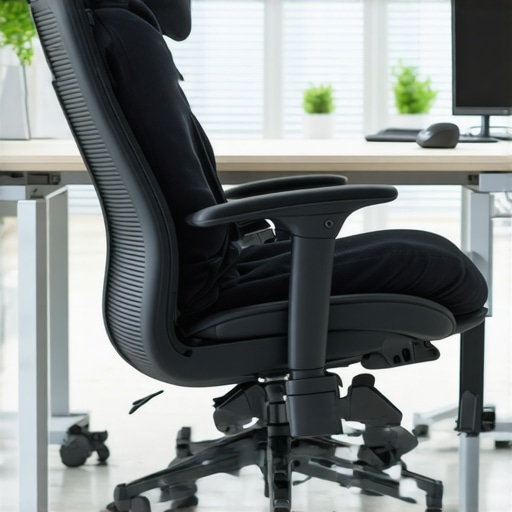

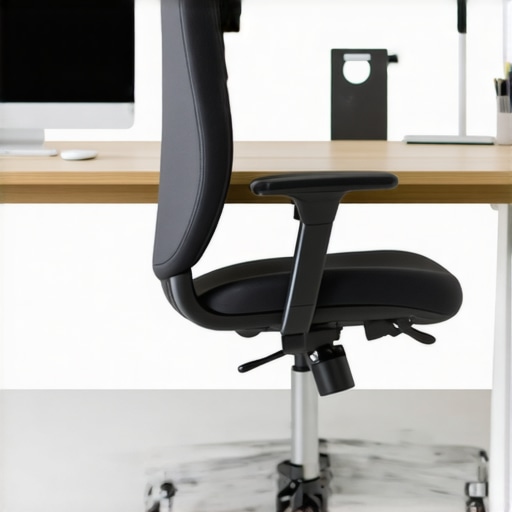
Reading through this detailed article really resonated with my own experience. I used to ignore the importance of choosing the right ergonomic chair and, like many, thought all adjustable features were enough. However, I quickly learned that true support requires attention to detail, especially with lumbar support. I once purchased a highly touted mesh chair that lacked nuanced lumbar support, and I ended up experiencing persistent lower back pain after a few weeks. It reminded me how essential it is to look beyond superficial features and focus on support that conforms dynamically to your body’s movements. One challenge I faced was maintaining the support settings over time; I found regular inspections and minor adjustments helped me avoid discomfort. Do others here use any special tools or routines to keep their chairs in top shape? I’ve considered investing in a small torque wrench to fine-tune my lumbar support and prevent support degradation over time. I’d love to hear about tools or tips that have worked for others in prolonging their chair’s support quality.