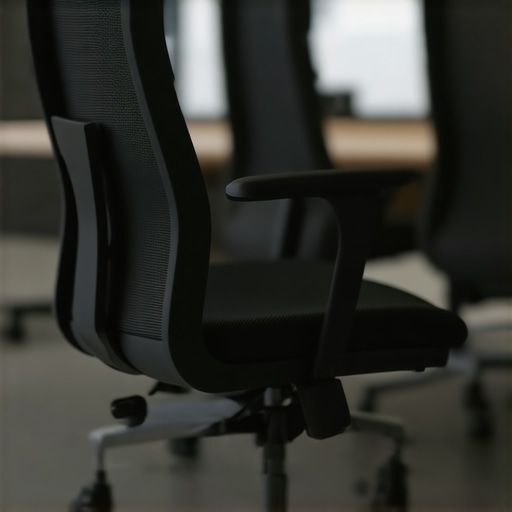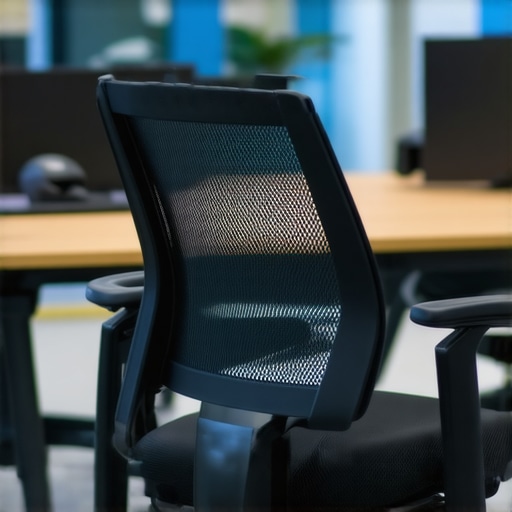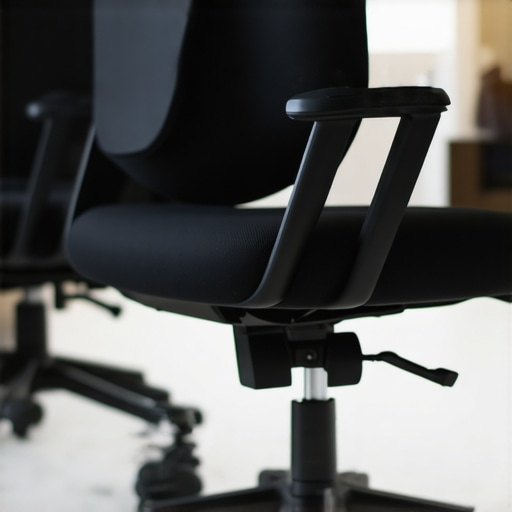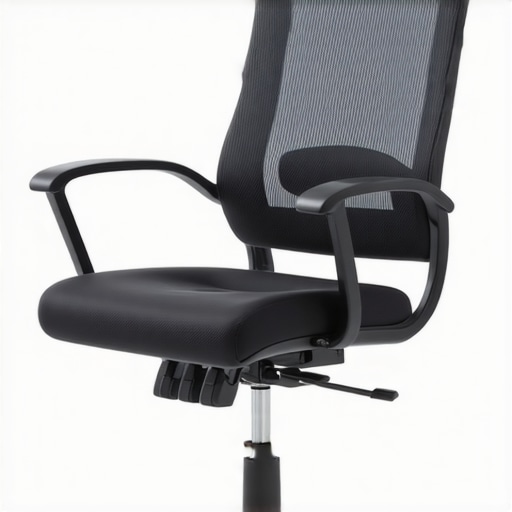
I remember the moment vividly. After weeks of sitting in a creaky old chair, my back started aching so badly that I dreaded every workday. It hit me—my chair wasn’t just a piece of furniture; it was the culprit behind my persistent discomfort. That lightbulb moment prompted me to dive into the world of ergonomic seating, and I haven’t looked back since.
Why a Good Mesh Office Chair with Lumbar Support Matters for Your Back
If you spend hours at a desk, your chair can make or break your health. I’ve learned the hard way that choosing the right office chair isn’t just about style or price—it’s about finding one that truly supports your back and encourages good posture. A well-designed mesh chair with lumbar support can reduce the strain on your spine, improve your posture, and even boost your productivity. According to recent studies, poor seating can lead to chronic back pain and long-term health issues, which is why investing in the right chair is a smart move for anyone working long hours.
Have you ever faced persistent back pain after a long workday?
If your answer is yes, you’re not alone. I made the mistake early on of ignoring my posture and settling for cheap, unsupportive chairs. Trust me, it only made things worse. That’s why I want to help you avoid the same mistake. Today, we’ll explore how to choose the best mesh office chair with lumbar support, what features to look for, and how to make an informed decision that benefits your back health in the long run.
Ready to ditch the discomfort and find a chair that actually cares for your back? Let’s get started!
Assess Your Posture and Space Before Shopping
Start by evaluating your current sitting habits. Notice how you sit during long work sessions—do you slouch, lean forward, or sit upright? This awareness helps you identify what your new chair must support. Measure your workspace dimensions to ensure the chair will fit comfortably without cluttering your area. I once bought a fancy chair without checking my desk height, only to realize I couldn’t sit comfortably; since then, I always measure first. For more detailed tips, visit this guide.
Prioritize Lumbar Support with Adjustable Features
Look for chairs with adjustable lumbar support that contour to your lower back. Think of lumbar support as a hammock that cradles your spine—if it’s fixed and doesn’t match your curve, it can cause discomfort. I tested a chair with fixed lumbar padding, but it was too high for me. When I switched to an adjustable lumbar support chair, my back pain diminished significantly. Focus on chairs that let you modify the height and depth of lumbar support for a perfect fit. For expert recommendations, check out these top lumbar support chairs.
Mesh Material Matters for Comfort and Breathability
Choose a breathable mesh fabric that promotes airflow and prevents sweating. Imagine sitting in a plastic bag versus a mesh net—mesh keeps you cool even during hot days. I once bought a leather chair in summer, and it was unbearable. Mesh chairs like the ones reviewed at this collection provide better ventilation and comfort over hours of use. Check the mesh’s durability to ensure it won’t sag or tear prematurely.
Test the Chair’s Adjustability and Support
Before committing, sit in the chair for at least 10 minutes. Adjust the height so your feet are flat on the ground and your knees are at a 90-degree angle. Move the lumbar support to match your lower back’s curve. If possible, tilt the seat and backrest to find a comfortable recline. I once skipped this step and bought a chair that looked good but caused back strain after a few hours; now I always test chairs thoroughly. For tips on proper setup, see ergonomic setup tips.
Consider Ergonomic Certifications and Reviews
Look for chairs certified by ergonomic standards or recommended by professionals. Reviews from other users can reveal common issues or hidden benefits. I read multiple reviews before choosing my current mesh chair, which has supported my back for over a year without issues. For a curated list of top-rated ergonomic chairs, visit this review.
Maintain and Adjust Your Chair Regularly
Once you have your chair, set reminders to check and readjust your support as your posture or body changes. Proper maintenance includes cleaning the mesh and lubricating moving parts. I learned this the hard way when my lumbar support shifted after a few months, causing discomfort. Regular tweaks can extend your chair’s lifespan and keep your back healthy. If you need help with setup or adjustments, contact support.
Many people believe that simply picking any ergonomic-looking chair with lumbar support will automatically protect their back and improve posture. However, this is a misconception that can lead to costly mistakes and ongoing discomfort. Let’s dig deeper into what most overlook when selecting these chairs, and uncover the hidden nuances that can make or break your back health.
Why the Popularity of Lumbar Support Can Be Misleading
One widespread myth is that all lumbar supports are created equal. In reality, many chairs come with fixed or poorly adjustable lumbar cushions that don’t match your unique spine curve. This mismatch can cause more harm than good, leading to pressure points or even aggravating existing back issues. Experts emphasize the importance of adjustable lumbar support, which allows you to contour the support precisely to your lower back. For an in-depth understanding, check out this detailed guide.
Beware of the Overemphasis on Material and Aesthetics
It’s tempting to prioritize breathable mesh or sleek design features over support functionality. Yet, many assume that high-quality mesh fabrics automatically equate to better ergonomic support. The truth is, mesh material contributes to comfort and ventilation but doesn’t guarantee proper lumbar support. An overlooked nuance is that support mechanisms must be customizable — not just the fabric. For example, some top-rated chairs offer adjustable height, depth, and firmness of lumbar support, which are critical for long-term comfort. For more insights, visit this resource.
Advanced Mistake: Ignoring User Posture Dynamics
Many users fall into the trap of static thinking, assuming the chair’s features alone will guarantee good posture. In reality, your body constantly shifts throughout the day, requiring dynamic adjustments. Failing to recognize this leads to complacency, where you set the support once and forget it, even as your posture or physical condition changes. The most advanced users regularly readjust their lumbar support and overall seating position, aligning with their evolving needs. Regular setup checks and ergonomic training can prevent chronic discomfort. Want to master optimal sitting habits? Explore this comprehensive guide.
Have you ever fallen into this trap? Let me know in the comments. Remember, choosing a mesh office chair isn’t just about picking the most supportive-looking model but understanding these hidden nuances to truly protect your back and boost your productivity.
Maintaining your ergonomic office chair is essential to ensure it continues to support your back and provide comfort over the years. Just like any good tool, a chair requires regular care and some smart strategies to stay in optimal condition. One of my favorite methods is to establish a routine check-up schedule, where I inspect the lumbar support, mesh fabric, and moving parts every few months. This proactive approach helps catch issues early before they turn into costly repairs or replacements.
Another crucial aspect is cleaning. Dust and dirt can accumulate in the mesh and mechanical components, which might impair functionality and comfort. I use a gentle vacuum and a soft cloth with mild soap to keep the fabric fresh and breathable. For the moving parts like casters and tilt mechanisms, a bit of lubricant from time to time keeps everything running smoothly. I recommend checking out this contact page if you need professional assistance or specific maintenance advice.
How do I maintain my ergonomic office chair over time?
To ensure your chair remains supportive and comfortable, set a reminder to revisit your setup every few months. Adjust the lumbar support as your posture or body weight shifts, and verify that all screws and moving parts are tight and well-lubricated. Investing in high-quality lubricants designed for office furniture, such as silicone spray, can extend the lifespan of your chair’s mechanisms. Additionally, replacing worn-out mesh or padding early prevents long-term discomfort. Regular maintenance not only preserves the ergonomic benefits but can also save you money in the long run by delaying the need for a new chair.
Looking ahead, I believe that smart, self-adjusting chairs with built-in sensors are on the horizon. These innovative designs will monitor your posture in real-time and make automatic adjustments to lumbar support and tilt angles, keeping you ergonomically aligned without manual intervention. For now, however, consistent care and proper setup are your best tools for maintaining a healthy back.
Don’t forget: if you ever feel unsure about your chair’s support or need professional advice, reach out to expert support. Taking these small steps today will ensure your ergonomic office chair continues to serve you well for many years to come.
After experiencing persistent back pain from an unsupported office chair, I discovered that the real secret lies in understanding the nuanced features of ergonomic seating. Here are some lessons that transformed my approach to choosing the right mesh office chair with lumbar support:
- Adjustability Is King: Fixed lumbar cushions might seem convenient, but they often don’t match your unique spine curve. I learned to prioritize chairs with adjustable lumbar support, allowing me to contour it precisely to my lower back, which significantly reduced discomfort.
- Material Matters More Than Looks: Breathable mesh fabric is vital, but support mechanisms are what make or break ergonomic benefits. I found that chairs with customizable support features provided long-term comfort over those with just aesthetic appeal.
- Dynamic Posture is Essential: Your body shifts throughout the day—set it and forget it support can be counterproductive. Regularly readjust your lumbar support and seating position to stay aligned and prevent strain.
- Expert Resources Can Be Game-Changers: I trust guides like this comprehensive ergonomic guide to help refine my setup and make informed choices.
In the end, investing in a high-quality mesh office chair with the right supportive features isn’t just about comfort—it’s about safeguarding your back health and boosting your productivity in the long run.
My Essential Toolkit for Better Posture and Comfort
Here are my go-to resources that have helped me optimize my workspace:
- Ergonomic guides and reviews: This detailed guide provides in-depth insights into the best ergonomic chairs for long hours.
- Top-rated support chairs: Check out these lumbar support chairs for personalized comfort.
- Maintenance tips: Keep your chair in top shape with regular cleaning and adjustments. For professional help, contact support.
Your Turn to Make a Change
Choosing the ideal mesh office chair with lumbar support is a personal journey, but the right information and proactive adjustments can make all the difference. Don’t wait for back pain to become a chronic issue—invest in your health today and enjoy a more comfortable, productive workday.
What’s your biggest challenge when selecting an ergonomic chair? Let me know below!