
Ever found yourself slouching in your chair after just a few minutes of work? Or waking up with a sore back, wondering what went wrong? I used to think a good office chair was just a luxury, until I hit my breaking point. One day, during a long work session, I felt that familiar ache creeping up my spine, and it made me realize how much my seating choice was affecting my health. That was the lightbulb moment that set me on the path to discovering the best ergonomic office chairs for 2025.
Why Choosing the Right Office Chair Matters More Than Ever
In today’s world, many of us spend hours seated at a desk, whether working remotely or in the office. But not all chairs are created equal. The wrong chair can lead to chronic back pain, neck strain, and decreased productivity. Over time, poor posture can even cause long-term health issues. According to a study published by the National Institutes of Health, poor ergonomics at work can double the risk of musculoskeletal disorders.
My early mistake was choosing a cheap, stylish chair without considering its support features. It looked great but caused discomfort after just an hour. Since then, I’ve tested dozens of chairs, and I want to help you avoid the same pitfalls. Today, I’ll guide you through the key features to look for and share my top picks for 2025, so you can sit comfortably and work efficiently.
Is an Expensive Chair Actually Worth the Hype?
This is the question I hear all the time. And honestly, I used to think that splurging on an ergonomic chair was unnecessary. But I learned that investing in quality makes a huge difference—especially if you spend long hours sitting. Cheaper models often skip essential support like adjustable lumbar support or breathable mesh, which can lead to discomfort and fatigue. Check out my detailed comparison of top mesh chairs with lumbar support for 2025 for a clearer picture.
If you’ve faced the same struggle—pain, discomfort, or just that nagging feeling that your chair isn’t supporting you—know that you’re not alone. Fortunately, the right ergonomic office chair can transform your workday. Ready to discover which models are leading the way this year? Let’s dive into the features that truly matter and find the perfect fit for your needs.
Adjust Your Chair for Perfect Posture
Start by setting your chair height so your feet are flat on the ground and your knees are at a 90-degree angle. Think of your chair like a bike saddle: it should support your weight evenly. When I first tried this, I noticed immediate relief in my lower back. I used a simple adjustable desk to test different heights until I found that sweet spot.
Find the Right Lumbar Support
Most ergonomic chairs come with lumbar support, but not all are equal. Adjust the lumbar to fit the natural curve of your lower back. If you’re unsure, check out this guide for tips. I once used a chair without proper lumbar support and felt constant fatigue—adding adjustable lumbar support changed everything.
Master the Art of Seat Depth and Width
Your chair’s seat should support your thighs without pressing into the back of your knees. A good rule is to sit back comfortably and ensure there’s a 2-3 inch gap between the edge of the seat and the back of your knees. I experimented with different models, and the ones with adjustable seat depth gave me the best long-term comfort.
Utilize Armrests Effectively
Adjust armrests so your shoulders stay relaxed. Your arms should rest lightly, with elbows at about a 90-degree angle. I once ignored armrest adjustments, leading to shoulder tension, but once I set them properly, my neck pain diminished.
Experiment with Chair Tilt and Recline
Use the tilt function to lean back slightly—about 100-110 degrees. This relieves pressure on your lumbar and promotes better circulation. I tested this by reclining during breaks, noticing a significant reduction in back stiffness. Remember to lock the tilt at a comfortable angle, or adjust it periodically as needed.
Test and Fine-Tune Regularly
Every few weeks, revisit your adjustments. Small tweaks can have big impacts. I kept a simple checklist to ensure my settings remained optimal, especially after changing desks or working hours.
Leverage Resources for Better Setup
For detailed guidance, consult this resource. If you’re unsure about your current chair’s ergonomics, reach out via contact us. Remember, proper setup is an ongoing process—your comfort depends on it.
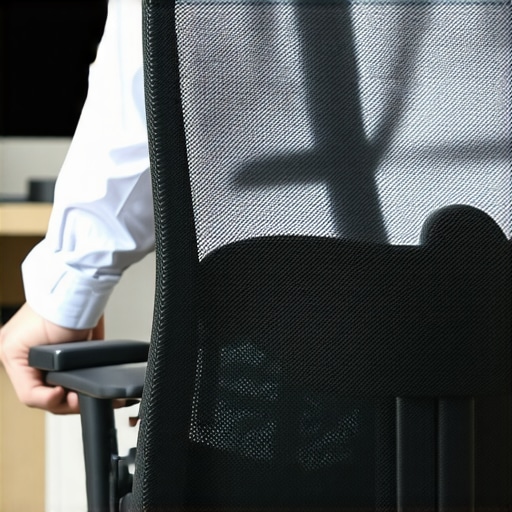
Many people assume that simply buying an ergonomic chair will automatically solve all their posture and back pain issues. However, this is a misconception that can lead to ineffective investments and persistent discomfort. Let’s dig deeper into what most users overlook and how understanding these nuances can truly enhance your sitting experience.
One widespread myth is that the more adjustable a chair is, the better it is. While adjustability is important, it’s not a magic bullet. Many high-end chairs come with a plethora of features, but if you don’t know how to set them up correctly, you won’t reap the benefits. For example, incorrect lumbar support placement or improper seat height can negate the advantages of a feature-rich chair. The key is to learn how to optimize your settings, which is why I recommend consulting detailed guides like this resource.
Another common mistake is believing that a pricey chair guarantees comfort. While investing in a quality ergonomic office chair can improve support and durability, it doesn’t automatically mean it fits your body perfectly. Comfort is highly individual; what works for one person might not work for another. It’s crucial to try different models and pay attention to how they support your specific posture needs. For instance, some users benefit from chairs with adjustable lumbar support, which can be fine-tuned for their lower back, as explained in this guide.
Why do many still get it wrong with their office setup?
The hidden nuance lies in the fact that ergonomic support isn’t just about the chair itself but also how you set it up and maintain it over time. Often, users neglect to adjust their chair properly or fail to revisit their settings after changes in their workspace or body. This oversight can lead to suboptimal posture and recurring pain despite having an ergonomic chair. Regularly fine-tuning your setup, and being aware of your body’s responses, is essential for long-term comfort.
Furthermore, many believe that the seat cushion alone determines comfort. But the overall ergonomic design, including the tilt mechanism, armrest positioning, and backrest contour, plays a vital role in supporting healthy posture. For advanced users, understanding how to leverage tilt and recline functions can make a significant difference in reducing fatigue and promoting circulation, as discussed in this comprehensive guide.
In conclusion, sitting comfortably isn’t just about buying an ergonomic chair but about mastering its features and maintaining proper setup. Avoid falling into the trap of believing that more features or higher prices automatically mean better support. Instead, focus on personalized adjustment and continuous fine-tuning to achieve lasting comfort. Have you ever fallen into this trap? Let me know in the comments.
Maintaining an ergonomic workspace is an ongoing process that ensures your investment in comfort and health continues to pay off. Over time, even the best chairs and setups can lose their optimal support due to regular use, environmental changes, or wear and tear. To keep your ergonomic office environment functioning smoothly, I rely on specific tools and methods that help me fine-tune and preserve my setup.
How do I maintain my ergonomic setup over time?
One of the most effective ways to maintain your ergonomic workspace is through regular adjustments and inspections. I use a digital level app on my smartphone to verify that my desk and chair are still aligned correctly. This simple tool helps me ensure that my monitor height and chair height stay at optimal levels, preventing slouching or neck strain. Additionally, I periodically review my lumbar support positioning by referencing this detailed guide to make sure my support remains in the right spot.
To keep my chair functioning properly, I have a set of basic maintenance tools: a small adjustable wrench and some silicone lubricant spray. These allow me to tighten loose bolts and lubricate reclining mechanisms, ensuring smooth operation. Regular cleaning with a vacuum or compressed air also prevents dust buildup, which can impair moving parts and reduce comfort.
For software support, I use a posture reminder app that periodically prompts me to check my sitting position and adjust if necessary. These reminders help me develop a habit of maintaining proper posture, which is crucial for long-term health. As ergonomic trends evolve, I predict that smart furniture with built-in sensors will become more prevalent, providing real-time feedback and automatic adjustments to keep us in perfect alignment.
Tools I recommend for long-term support
Investing in a quality monitor arm is a game-changer. It allows for effortless adjustments of height, tilt, and distance, reducing neck and eye strain. I personally prefer models with gas lift mechanisms, as they provide smooth, precise control. Paired with a good ergonomic keyboard and mouse, this setup minimizes repetitive strain injuries.
Another essential tool is an adjustable footrest. Even with proper chair height, my feet often need support to maintain a 90-degree angle. I choose a model with multiple height settings and a textured surface for grip, which I rotate regularly to avoid uneven wear.
Lastly, I recommend having a small toolkit with basic repair supplies like replacement casters, springs, and anti-slip pads. This proactive approach extends the lifespan of your furniture and keeps your workspace safe and comfortable.
By integrating these tools and maintenance routines into your regular workspace management, you’ll ensure your ergonomic setup remains effective and comfortable for years to come. Remember, a well-maintained workspace not only supports your health but also boosts productivity and focus. So, try out one of these tips today—your back will thank you!
Investing in the right ergonomic office chair goes beyond just comfort; it’s about safeguarding your long-term health and boosting productivity. From adjustable lumbar support to intuitive tilt mechanisms, understanding what truly makes a chair support your unique needs can transform the way you work. Remember, the key is not just choosing the most expensive model, but finding one that adapts perfectly to your body and work habits. Regularly fine-tuning your setup and maintaining your chair can prevent discomfort before it starts, ensuring your workspace remains a haven of health and efficiency. Dive into trusted guides and tools to keep your ergonomic setup optimized, and don’t forget — your comfort is an ongoing journey, not a one-time purchase. Prioritize your well-being today and experience the difference that a thoughtfully chosen office chair can make in your life.
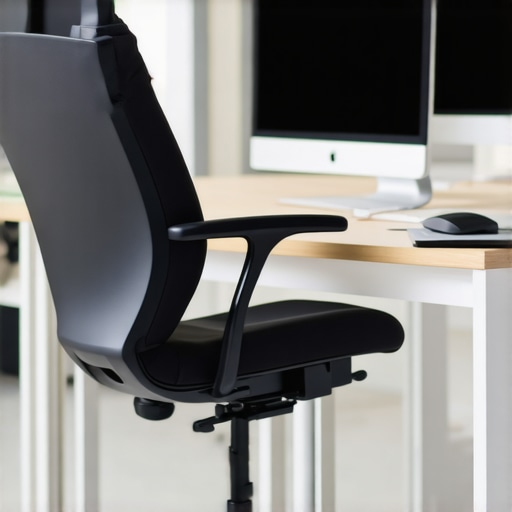

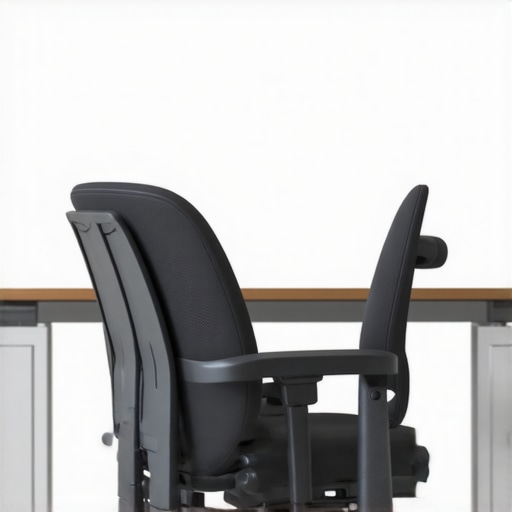
I’ve recently upgraded to an ergonomic chair after experiencing persistent lower back pain, and the difference is night and day. What I found most helpful was investing extra time in properly adjusting the lumbar support and seat height, rather than just choosing a high-end model based on features alone. It’s surprising how small tweaks can significantly improve comfort over long work hours. I also started using a footrest, which really helped alleviate pressure on my thighs and lower back. One challenge I faced was consistently maintaining good posture throughout the day, especially during long meetings or deep focus sessions. I’ve started setting regular reminders to check my position, which seems to reinforce better habits. For anyone still struggling with discomfort even after getting an ergonomic chair, what routines or tools have helped you stay aligned? I’m curious if other users have found specific apps or habits particularly effective in supporting long-term ergonomic health.
Reading through this post really resonated with my own experience. I used to believe that just sitting in a high-quality ergonomic chair would instantly resolve all discomfort issues, but I quickly realized that proper adjustment and awareness are just as critical. I remember spending hours fiddling with my chair’s lumbar support and height, testing different settings—small tweaks that made a noticeable difference in my daily comfort. One thing I’ve found particularly helpful is setting reminders on my phone to check my posture every hour. This habit keeps me mindful and prevents slouching, especially during deep work sessions. Additionally, I’ve started using a standing desk for part of the day, which seems to give my back a much-needed break and improves circulation. Does anyone else have tips for balancing sitting and standing throughout the day without losing focus or comfort? I think combining ergonomic setup with regular movement is the key to long-term health, especially for those of us working extended hours at a desk.
This post really emphasizes how important it is to not only choose an ergonomic chair but also to set it up properly for your individual needs. I’ve found that personally, taking the time to fine-tune adjustments like lumbar support, armrest height, and seat depth can make all the difference in preventing discomfort over long days. I used to overlook the importance of these adjustments, thinking a good chair would be enough, but I quickly learned that improper setup can negate the benefits of even the most high-end models. One thing that helped me was using a posture reminder app, which prompted me to check my alignment periodically. Has anyone tried incorporating tech tools or specific routines into their daily setup that have helped sustain correct posture? I believe ongoing awareness and small, regular adjustments are key to maintaining comfort and preventing long-term issues. It’s a continuous process, but definitely worth the effort.
This article really hits home about the importance of proper ergonomic setup, especially in 2025 where many of us are working long hours at home or in the office. I used to overlook the fine-tuning of my chair, thinking that spending more on a high-end model was enough, but I found that even the best chair requires personal adjustments for true comfort. I’ve learned that paying attention to things like lumbar support height, armrest positioning, and even the angle of recline can make a huge difference in preventing discomfort.
Since I started using a posture tracking app, I’ve become more consistent with my adjustments throughout the day. It’s fascinating how small tweaks can add up to significant relief. Do others use tech tools or routines to maintain their ergonomic health? I’m particularly interested in how incorporating periodic posture checks or even physical cues can help develop better long-term habits. Sometimes, I wonder if setting a timer to stand or stretch can be as effective as adjusting the chair itself. Would love to hear what routines work best for others who prioritize health and productivity.