
I vividly remember that moment—sitting in my old, squeaky office chair, feeling that familiar dull ache creep up my lower back after just a few hours of work. It was one of those lightbulb moments that hit hard. I realized that my comfort and health depended on more than just good posture in theory; I needed a chair that supported me properly. That revelation sparked a journey into finding the perfect ergonomic office chair with lumbar support, and honestly, it changed everything.
Why Your Office Chair Might Be Sabotaging Your Back
If you’ve ever experienced persistent back pain, tight shoulders, or neck stiffness after a long day at your desk, you’re not alone. Many of us underestimate how crucial the right chair is for our health. A poorly designed chair can lead to chronic issues, reduced productivity, and even injury over time. The good news? Investing in an ergonomic office chair with lumbar support can prevent these problems before they start.
But here’s the tricky part—choosing the right one isn’t always straightforward. There are countless options out there, each promising to be the best. I’ve made my share of mistakes early on, like picking a chair based solely on style or price, only to find that it lacked proper lumbar support or adjustability. That’s a mistake I want to help you avoid. The right chair isn’t just a luxury; it’s a necessity for anyone who spends hours at their desk.
Is the Hype About Lumbar Support Actually Justified?
This is a question I hear often. Some skeptics think lumbar support is just a marketing gimmick. Well, I used to be one of them—until I learned that proper lumbar support aligns your spine naturally, reducing strain and fatigue. According to a study published by the National Institute of Health, proper lumbar support significantly improves posture and decreases lower back pain in office workers. It’s a game-changer, but only if you choose wisely.
Back in the day, I also made the mistake of ignoring adjustable features—believing that a one-size-fits-all approach would work. Trust me, flexibility matters. Your ideal lumbar support isn’t the same as mine, and your chair should adapt to your body, not the other way around. If you’re tired of feeling stiff and sore after hours of work, it’s time to consider a chair that truly caters to your needs.
Now, I’ll walk you through how to select the best ergonomic office chair with lumbar support for 2025, ensuring you work comfortably and healthily for years to come. Ready to upgrade your workspace? Let’s dive into what makes a chair truly ergonomic and how to pick the perfect fit for you.
Measure Your Body and Space Before Buying
When I decided to upgrade my office chair, I first took my measurements—hip width, back length, and seat height—and compared them with the specifications of various models. Think of it like tailoring a suit; precise measurements ensure a perfect fit. To do this effectively, I used a measuring tape and made notes of my dimensions. This step prevents the common mistake of choosing a chair based solely on looks or reviews without considering personal fit. For more detailed guidance, check out this detailed guide.
Test Adjustable Features and Find Your Comfort Zone
Next, I visited a local showroom and tested multiple chairs. I adjusted the lumbar support, seat height, tilt tension, and armrest positions. It’s like customizing a car seat—every adjustment should feel natural and supportive. I remember spending nearly an hour on this step, trying different settings until I found the sweet spot where my lower back felt supported without strain. This process is critical because a chair that isn’t adjustable won’t adapt to your body, leading to discomfort over time. For insights on adjusting your chair correctly, see this resource.
Prioritize Lumbar Support That Fits Your Spine
During my testing, I noticed that not all lumbar supports are created equal. Some are rigid, while others are flexible or adjustable. I found that chairs with adjustable lumbar pads allowed me to fine-tune the support directly in the curve of my lower back. Imagine it like a custom-fit back brace—support that adapts to your natural spine curve reduces fatigue and prevents slouching. When selecting your chair, ensure the lumbar support can be moved vertically and, if possible, depth-wise. For a comprehensive review of top lumbar support options, visit this comparison.
Test for Long-Term Comfort and Support
After narrowing down my options, I sat in each chair for at least 15 minutes, simulating a work session. I paid close attention to how my back and shoulders felt. Did the lumbar support maintain contact without pressing too hard? Was the seat cushion supportive without being too firm? This step is like test-driving a new car—short trials can’t reveal real comfort over hours. I learned that a chair with good lumbar support should keep your spine aligned and reduce pressure points, even after hours. For tips on assessing comfort, see this guide.
Adjust and Personalize Your Chair to Your Body
Once I picked a chair, I spent time customizing all adjustable features—seat height, tilt, armrests, and lumbar support—to my posture. Think of it as tuning a musical instrument; small adjustments produce harmonious comfort. Remember, every body is different, so don’t settle for default settings. If you need help, you can contact experts via this contact page. Regularly revisiting these adjustments ensures ongoing comfort, especially if your work or body changes. For a deeper dive into ergonomic customization, explore this ultimate guide.

By following these concrete steps—measuring, testing adjustable features, prioritizing lumbar support, evaluating long-term comfort, and personalizing your setup—you’ll ensure your office chair promotes better posture and health in 2025. Investing this effort now pays off with fewer aches, higher productivity, and a more comfortable workday.
Many people assume that simply having lumbar support in your office chair guarantees better posture and back health. However, this is a misconception that can lead to overlooked nuances and even worse posture if not implemented correctly. Let’s dig deeper into what most get wrong about lumbar support and how to truly optimize your ergonomic setup.
Why More Lumbar Support Isn’t Always Better
It’s a common myth that the thicker or more rigid the lumbar cushion, the better the support. In reality, excessive or poorly positioned lumbar padding can restrict natural spinal movement, leading to discomfort and even muscle strain. The goal should be support that aligns with your unique spine curve, not a one-size-fits-all solution. Experts suggest that adjustable lumbar supports, which can be fine-tuned to your body, provide better long-term comfort and posture correction. According to a study published in the Journal of Occupational and Environmental Medicine, personalized lumbar adjustments significantly reduce lower back pain compared to fixed supports.
Beware of the False Security of Cheap, Non-Adjustable Supports
Another trap many fall into is opting for low-cost chairs with fixed lumbar supports. These may seem appealing initially, but they often lack the flexibility needed to accommodate different body types or daily posture changes. Over time, this can lead to compensatory movements and strain. Instead, prioritize chairs with adjustable lumbar depth and height, allowing you to tailor the support to your spine’s natural lordotic curve. This small but crucial detail makes a big difference in preventing discomfort and maintaining healthy posture.
What Advanced Users Need to Know About Lumbar Support
For those already familiar with ergonomic basics, the nuance lies in understanding how lumbar support interacts with other adjustable features, like seat depth and tilt tension. Misalignment between these components can negate the benefits of lumbar support altogether. For example, if your seat depth doesn’t match your lumbar support’s position, it may push your pelvis forward or cause slouching—defeating the purpose altogether. Combining adjustable lumbar support with proper seat depth and tilt can create a harmonious setup that fosters optimal spinal alignment. For a comprehensive guide on customizing your ergonomic chair, check out this in-depth resource.
Have you ever fallen into this trap? Let me know in the comments. Remember, investing in a well-designed, adjustable lumbar support system is one of the smartest ways to safeguard your back health as you work long hours at your desk.
<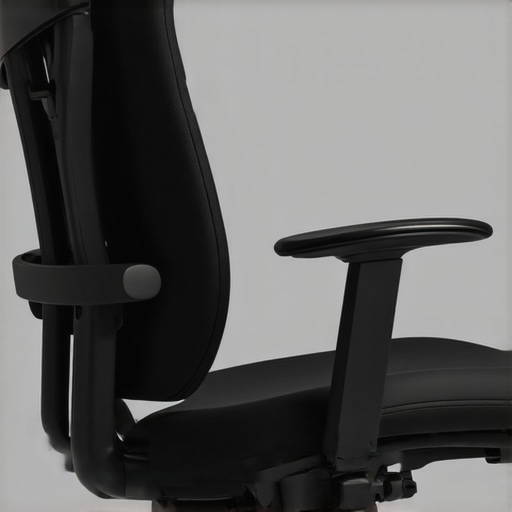 >
>
Maintaining your ergonomic setup over time is crucial to ensure sustained comfort and back health. I rely on specific tools and routines that help me keep my office chair and workspace in top shape, preventing wear and tear that could compromise support. A key tool I use regularly is a simple adjustable torque wrench. This allows me to keep my chair’s tension and lumbar support settings precisely calibrated, just like when I first bought it. Over time, these adjustments can loosen, leading to suboptimal support, but with a torque wrench, I can tighten or loosen parts without guesswork, ensuring consistent support day after day.
Another essential maintenance practice I follow involves cleaning and inspecting my chair components. Dust, sweat, and everyday use can degrade materials—especially foam cushions and fabric. I use a mild disinfectant spray and a soft cloth to wipe down surfaces weekly. For the mechanical parts, like the tilt mechanism and casters, I periodically check for signs of wear and lubricate moving parts with a silicone-based spray. Keeping these parts well-maintained extends the lifespan of your chair and maintains ergonomic integrity.
How do I keep my setup working smoothly long-term?
One method I swear by is setting a monthly check-in routine. During this, I revisit my chair’s adjustments, ensuring lumbar support, armrest height, and seat tilt remain optimal. I also evaluate my posture and make small tweaks to my workspace setup, like repositioning my monitor or adjusting my desk height. This proactive approach prevents discomfort before it starts and keeps my workspace ergonomically sound.
In the future, I predict a trend toward smarter ergonomic tools. Imagine chairs equipped with built-in sensors that monitor posture and trigger automatic adjustments or alert you when maintenance is needed. This could significantly reduce the guesswork and manual effort involved in long-term ergonomic care, making it easier to stay healthy while working long hours.
If you’re serious about keeping your ergonomic setup working perfectly, consider investing in a multi-tool kit designed for office chairs, which includes wrenches, lubricants, and replacement parts. Combining these tools with a disciplined maintenance routine ensures your chair continues providing the support you need, year after year. Want to learn more about how to optimize your ergonomic workspace? Check out this comprehensive guide.
The Hardest Lesson I Learned About Lumbar Support
One of my biggest realizations was that not all lumbar supports are created equal. I once bought a chair with a thick, rigid lumbar cushion, thinking it would be the ultimate support. Turns out, it restricted my natural movement and caused more discomfort over time. The lesson? Support needs to be adaptable and personalized, not just bulky or fixed.
3 Myths About Lumbar Support That Held Me Back
I believed that a high price meant better support, and that fixed lumbar padding was sufficient for everyone. Both turned out to be misconceptions. Adjustable lumbar supports and a reasonable budget can actually provide better, more customized comfort. It’s about quality, not just cost or appearance.
What Experts Won’t Tell You About Lumbar Support
Most ergonomic guides emphasize lumbar support, but few highlight how it interacts with other features like seat depth and tilt. Misalignment between these can negate the benefits. Truly ergonomic support involves a harmonious setup, where every adjustment complements the others for optimal posture.
My Essential Toolkit for Maintaining Your Office Chair in Peak Condition
To keep my ergonomic setup in top shape, I rely on a simple adjustable torque wrench for calibration, along with regular cleaning and lubrication of mechanical parts. These small routines extend the lifespan of my chair and ensure consistent support, helping me avoid discomfort even after long hours.
Where to Go from Here
If you’re serious about your back health, start by measuring your body and testing adjustable features in person. Invest in a chair with customizable lumbar support and maintain it regularly. For comprehensive guidance, explore this detailed resource. Your future self will thank you for the effort.
Embrace Your Workspace and Take Action Today
Remember, the journey to a healthier, more comfortable workspace begins with a single step. Don’t settle for discomfort—your back deserves thoughtful support. Take action now and transform your office setup for the better.
What’s the one adjustment you’re ready to make today to improve your ergonomic setup? Share your thoughts below!

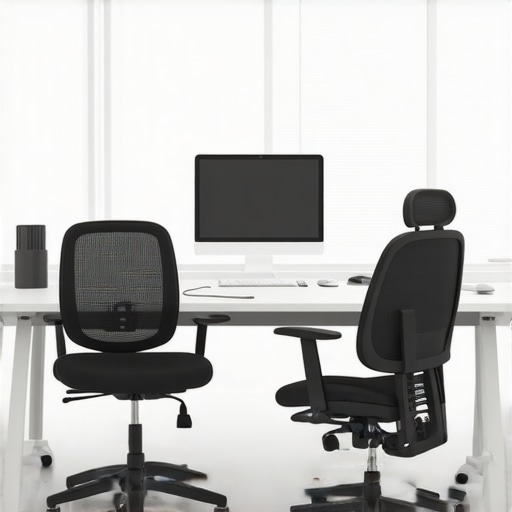
Reading through this detailed guide really resonated with me, especially the importance of properly adjusting lumbar support to fit individual needs. Personally, I used to overlook the significance of personalized support until I experienced persistent lower back pain after long workdays. Since investing in a chair with adjustable lumbar support and fine-tuning it, my comfort has noticeably improved, and I feel much less fatigue at day’s end. It’s fascinating how small changes—like positioning that support correctly—can make such a difference.
I wonder, for those who have tried multiple chairs, what tips do you have for quickly identifying the right lumbar support setup during a trial? Often, I find myself spending too much time adjusting without knowing what truly works. Also, do you think incorporating regular maintenance routines, like tightening support or cleaning, has a significant impact on long-term comfort? Would love to hear others’ strategies for maintaining their ergonomic setup for continued health and productivity.
This post really hit the mark for me, especially the emphasis on the importance of personalized lumbar support. I've personally struggled with finding a chair that truly fits my back. I used to think that all lumbar cushions were pretty much the same, but after trying a few models with adjustable lumbar height and depth, I noticed a big difference. It’s amazing how a small tweak can make sitting for hours much more comfortable and help avoid those nagging aches.
One thing I learned from my experience is to take the time to sit in the chair for at least 10–15 minutes in different postures, adjusting the support as I go. Have others found a particular method that helps them quickly dial in the right lumbar support during a trial? Also, I agree with the point about regular maintenance — I make it a habit to check and tighten the support every few months, which keeps everything working smoothly. Has anyone experimented with different supportive materials, like memory foam versus rigid supports? I’d love to hear your thoughts on what has worked best for your long-term comfort.