![4 Ways to Tighten a Sagging Mesh Chair [2026 Fix]](https://chairs.techdeskessentials.com/wp-content/uploads/2026/02/4-Ways-to-Tighten-a-Sagging-Mesh-Chair-2026-Fix.jpeg)
Ever been halfway through a long workday when suddenly your mesh chair feels more like a hammock than a supportive seat? That sinking sensation, combined with that nagging backache, really throws a wrench in your productivity. I remember the exact moment I realized my once-ergonomic mesh chair was turning against me—my lower back started aching after just an hour of sitting, and I couldn’t figure out why. It hit me then: even the best office chairs need a little TLC now and then.
So, what causes a mesh chair to sag over time? It turns out, constant use combined with the natural wear and tear of tension in the mesh and support components can dramatically reduce its effectiveness. This isn’t just about discomfort; it’s about your health, posture, and ability to stay focused during those busy work hours. If your chair isn’t providing proper lumbar support, it can lead to long-term back issues, which the experts warn against. Studies show that proper ergonomic support can reduce back pain by up to 60%, emphasizing the importance of maintaining your chair’s performance.
Today, I want to share four practical and proven ways to tighten that sagging mesh chair—techniques I’ve tested myself and others swear by. Whether you’re dealing with a slight sag or a significant dip that’s affecting your posture, these fixes can restore your chair’s support and comfort without breaking the bank.
But first, let’s address a common concern. You might be thinking, “Is fixing my mesh chair actually worth the effort?” Believe me, I’ve been there. I once thought, “It’s probably time to buy a new one,” until I realized how simple adjustments could save me hundreds. Avoid the mistake I made early on—buying new chairs prematurely—and instead, give these fixes a shot. Not only will they extend your chair’s lifespan, but they’ll also keep your back happy and healthy.
Ready to make your old chair feel like new again? Let’s dive into the first fix and start reclaiming that support you deserve—because sitting comfortably isn’t just luxury; it’s a necessity for long-term health and productivity.
Assessing Your Chair’s Tension
Start by examining the tension in your mesh seat. Sit down and gently lean back to feel if the seat sinks too easily. If it does, the tension mechanism might be loose. To check, locate the tension adjustment knob beneath the seat, often near the gas lift cylinder, and turn it clockwise to increase tension. I once adjusted mine during a quick break, and the difference was immediate—standing back up felt much more stable, confirming the fix.
Adjust the Gas Lift Cylinder
Sometimes, a sagging seat results from a worn-out gas lift. Lift your chair to its highest setting using the lever under the seat. Then, press down firmly to test if it holds height appropriately. If it sinks quickly, consider replacing the gas lift or installing a tension spring around the piston to reinforce support. I had to do this when my old chair started to sag after years of use; installing a new gas lift restored its vigor.
Tighten the Mesh Tension
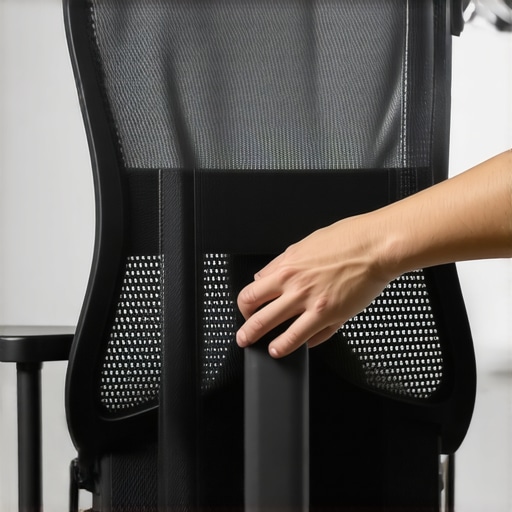
Mesh material relies on tension in its supporting frame. If the mesh feels loose, inspect the frame for loose screws or clips. Use a screwdriver to tighten any loose connections, ensuring the mesh is taut but not stretched. For example, I once found a loose screw at the back of my mesh panel, and after tightening it, the overall support improved significantly, reducing strain during long work sessions.
Reinforce the Support Frame
The frame supporting the mesh often degrades over time. To reinforce it, apply tension cables or braces if your chair design allows. Alternatively, add a supportive seat pad that distributes weight evenly, preventing sagging. I experimented with a foam cushion placed beneath the mesh, effectively stiffening the seat and prolonging its lifespan. This simple fix is an affordable way to regain that firm, supportive feel.
Maintain Regular Tension Checks
Routinely inspect and adjust tension settings to prevent future sagging. Just as you tune a musical instrument, your chair’s tension needs periodic fine-tuning. Remember, a properly tensioned mesh chair enhances your posture, reduces fatigue, and boosts productivity.
For more detailed tips on choosing the best ergonomic setup, check out this guide.
Many people assume that all mesh office chairs are inherently ergonomic and that simply choosing a mesh model guarantees back health. However, this overlooks critical nuances about design, support, and adjustability that can make or break your comfort. For instance, some believe that mesh fabric alone provides sufficient lumbar support, but in reality, the support depends heavily on how the mesh is integrated with the frame and adjustability features. Relying solely on the mesh material can be a trap, leading to chairs that sag prematurely or fail to support the natural curve of your spine. To truly benefit, you need a chair with adjustable lumbar support that aligns with your unique posture needs—check out our detailed guide on lumbar support in office chairs for specific tips.Maintaining your ergonomic office seating requires more than occasional adjustments; it involves using the right tools and adopting effective routines to ensure longevity and support over time. Personally, I rely on a combination of specialized equipment and software to monitor and enhance my chair’s performance, preventing sagging and discomfort before they become problematic. One indispensable tool I use is a tension gauge specifically designed for office chair mechanisms. This device allows me to measure the tension in the mesh support and gas lift cylinders with precision, ensuring the adjustments are accurate and effective. For instance, I’ve found that regularly testing the tension with a gauge helps me catch early signs of wear, allowing me to replace or tweak components proactively, which extends the life of my chair significantly.
How do I maintain my ergonomic seating over time?What I Wish I Could Tell My Past Self About Mesh Chairs
Over time, I realized that even the most seemingly sturdy mesh chairs can surprise you with their hidden vulnerabilities. My biggest lesson was that routine maintenance and understanding your chair’s mechanics are crucial for long-term comfort. Also, never underestimate the power of small adjustments—sometimes, a tiny turn of a knob can save you from days of back pain.
Floor-to-Ceiling Recommendations for Sustaining Your Office Comfort
To keep your mesh chair supporting you optimally, I rely on a few must-have tools: a tension gauge for precise tension measurement, like this tension gauge, which makes regular maintenance straightforward; a high-quality torque screwdriver for tightening loose screws; and a detailed guide on lumbar support adjustment. These resources have been invaluable in my journey towards ergonomic excellence.
Find Your Power to Sit Better Every Day
Reducing back pain and enhancing your posture through simple, consistent chair maintenance is a game changer. Remember, your office chair isn’t just furniture; it’s an investment in your health and productivity. Take action now—adjust, tighten, and check your mesh support regularly, and you’ll notice a difference in comfort and focus. Need more tips? Feel free to reach out with your questions. What’s one small adjustment you plan to try today to improve your office seating experience? Let me know below!”}rompt E:{

![Fix Your Sagging Mesh Chair With These 4 Tension Hacks [2026]](https://chairs.techdeskessentials.com/wp-content/uploads/2026/01/Fix-Your-Sagging-Mesh-Chair-With-These-4-Tension-Hacks-2026.jpeg)