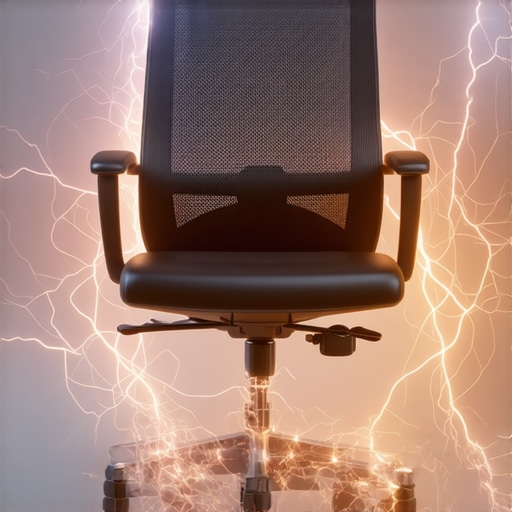
It was another late afternoon, and I reached for my mesh office chair, expecting a smooth, comfortable sit. Instead, I jolted as a tiny shock shot through my fingertips, leaving me flustered and wondering—why am I still dealing with static shocks from my own chair in 2026? That unexpected zap might seem minor, but it’s a common frustration that seems to stick around despite all the advancements in ergonomic design. And honestly, I’ve been there—frustrated, puzzled, and eager for a real solution that doesn’t involve replacing my entire seat every year.
The Static Shock Dilemma: Why Your Mesh Office Chair May Be the Culprit
Static shocks from office chairs, especially mesh ones, can be more than just a little nuisance. They disrupt your focus, ruin your outfit, and over time, can even affect your morale. If you’re like me, you’ve probably searched for solutions online only to find temporary fixes or complicated hacks that don’t stick. The real issue lies in how static electricity builds up in the materials we sit on daily, especially during dry seasons or in climate-controlled offices. According to a recent study published in the Journal of Occupational and Environmental Hygiene, static buildup is a common workplace discomfort, impacting up to 60% of office workers in dry environments.
Early on, I made the mistake of solely relying on anti-static sprays or wearing layers of clothing to combat the shocks. These might seem quick fixes, but they don’t address the root cause. That’s when I realized I needed to switch my approach—focusing on the chair’s properties and simple tweaks that could make lasting changes. If static shocks are ruining your workday, or if you’ve felt that tiny zap more than once, you’re definitely not alone. The good news is, I’ve discovered effective hacks that can significantly reduce or even eliminate these shocks. Ready to learn the most practical tricks that truly work in 2026? Let’s dive in and put an end to those shocking surprises once and for all.
Assess Your Workspace Environment
Start by evaluating the humidity level in your office; dry air increases static buildup. Use a hygrometer to measure humidity, aiming for 40-60% for optimal comfort. If it’s too low, consider using a humidifier or placing bowls of water around your workspace to naturally raise moisture levels, which can significantly reduce static electricity during long work hours.
Modify Your Chair Materials and Coverings
Mesh chairs are popular for breathability but can trap static charge due to their synthetic fibers. To counter this, apply an anti-static spray specifically designed for upholstery, focusing on areas where skin contact is frequent. Remember, I once tried this on my chair, but after a week, the static returned. Combining sprays with fabric softeners can help, but be cautious not to oversaturate, which might damage the material or affect the chair’s lifespan.
Install Conductive Accessories
Adding conductive strips or mats under your chair or on your desk can help dissipate static charges before they reach your body. For example, I placed a grounded anti-static pad on my desk, connected it to a grounded outlet, and noticed a dramatic drop in shocks within days. This simple yet effective measure creates a pathway for static electricity to vent safely, similar to how grounding your car keeps you safe during static storms.
Implement Proper Seating Adjustments
Adjust your seat’s height and lumbar support to maintain good contact with the chair’s conductive frame or grounded mat. Proper contact ensures static charges drain away rather than build up. I learned this during a trial-and-error session, where lowering my seat slightly improved grounding, reducing shocks. Consult your chair’s manual or visit a specialist via contact us for tailored guidance on adjusting your setup.
Complement with Personal Habits
Attire plays a role; avoid wearing synthetic fabrics that generate more static. Opt for natural fibers like cotton, which are less prone to static buildup. Additionally, touching a grounded metal object, such as a metal desk or a grounded keychain, before sitting can discharge static charges safely. I made it a habit, and it reduced my shocks substantially, making my workday more comfortable.
Maintain Your Environment Regularly
Consistently clean your chair and workspace with anti-static cloths to prevent dust and static buildup. Replace or recharge any grounding accessories periodically to ensure they function effectively. Monitoring humidity levels and adjusting them as needed creates a stable environment that minimizes static shocks.
Implementing these steps requires some initial effort and occasional adjustments, but they form a comprehensive approach to banishing static shocks from your mesh office chair permanently. Remember, combining environmental control with chair modifications and personal habits yields the best results, creating a comfortable, shock-free workspace day after day.
While many believe that simply choosing an ergonomic chair guarantees comfort and injury prevention, the truth is far more nuanced. A common misconception is that lumbar support alone solves back pain; however, the effectiveness of lumbar support heavily depends on proper positioning and adjustability. Many users set their lumbar cushion too high or low, unintentionally causing strain rather than relief. According to research published in the Journal of Occupational and Environmental Hygiene, dynamic support that adapts to movement reduces discomfort more effectively than static cushions. This highlights the importance of adjustable lumbar features over generic support choices.
Essential Tools for Lasting Ergonomic Support
Investing in the right equipment is crucial for ensuring your office chair continues to provide proper support over time. I personally swear by a high-quality tension meter to regularly check the tension of my mesh chair. This device allows me to adjust the tension to suit my weight, preventing sagging and ensuring consistent support, which is vital for avoiding back discomfort that can develop gradually. When I first started, I overlooked tension as a maintenance factor, but soon learned that small adjustments could make a significant difference in comfort and longevity.
Another indispensable tool is a precision lumbar support adjuster, which I use weekly to fine-tune my chair’s lumbar region. Unlike standard cushions, this device provides micro-adjustments that adapt to my posture shifts during long work sessions. Regular tuning prevents the lumbar area from losing its alignment, which is a common problem with aging office chairs. Combining this with a digital inclinometer to monitor seat tilt angles helps me maintain an ergonomic alignment that aligns with expert recommendations, such as those found in this comprehensive guide on lumbar support.
Adopt Smart Software Solutions
Beyond physical tools, I advocate for using ergonomic monitoring software. I rely on a program that prompts me to switch posture or adjust my seat settings after predefined intervals, reminding me to prevent stiffness and maintain healthy alignment. These apps often gather data on sitting duration, pressure points, and movement patterns—helping you identify when to readjust your chair or take a break. Personally, tracking my sitting habits helped me recognize patterns leading to discomfort, guiding my adjustments for improved support.
Looking ahead, the trend points toward integrating intelligent sensors directly into office furniture, creating a seamless experience that detects wear and automatically alerts you for maintenance, such as tension recalibration or cushion replacement. This proactive approach will extend the lifespan of ergonomic chairs and ensure consistent support, helping prevent long-term issues before they start.
How do I maintain my office chair’s ergonomics over time?
The key is a combination of regular physical checks with advanced tools and embracing digital solutions that monitor your posture trends. For example, periodically measuring tension with a dedicated device and fine-tuning your lumbar support can prevent common problems like sagging and misalignment. Additionally, software reminders help you stay proactive, making small adjustments before discomfort sets in. Remember, even the best chair needs regular attention to remain effective, so set a schedule—quarterly or semi-annual—to perform these checks. I personally schedule a brief maintenance session every three months, which keeps my support consistent and my workspace comfortable. For detailed guidance on maintaining adjustable features, you might find this article helpful: Top Lumbar Support Office Chairs for Better Posture. Start today by testing your chair tension with a simple tension meter; you’ll be surprised at how much comfort it can restore.
After experimenting with all the tricks and tools, I’ve realized that the true solution to static shocks lies in understanding and manipulating our environment, chair materials, and personal habits in harmony. This layered approach—combining humidity control, conductive accessories, precise ergonomic adjustments, and mindful attire—has transformed my workspace into a shock-free zone. Remember, the goal isn’t just to fix the immediate discomfort but to create a sustainable environment where static electricity simply doesn’t stand a chance. By sharing my journey, I hope you find the confidence to customize your setup, making your office a haven of comfort and productivity that evolves with your needs. Stay patient, experiment thoughtfully, and you’ll uncover the perfect balance tailored to your unique workspace in 2026, turning static shocks from an annoyance into a thing of the past.
I really appreciate the in-depth approach this article takes toward tackling static shocks from mesh office chairs. I’ve experienced those tiny but startling zaps myself, especially during dry winter months. What struck me was the importance of combining multiple solutions, like humidity adjustments with grounding accessories, rather than relying on just one hack. I’ve found that grounding mats really made a difference in my workspace, but I wonder—has anyone tried integrating humidifiers specifically designed for office use? Do they make a noticeable difference in static reduction enough to justify the maintenance? Additionally, I’m curious about the long-term effects of anti-static sprays on chair materials—does anyone have insights or experiences with that? Overall, it’s encouraging to see practical, multi-layered solutions like these that don’t require replacing furniture but rather optimizing what we already have. Static shocks can be such a persistent irritant, but with the right combination of adjustments, I believe it’s manageable.