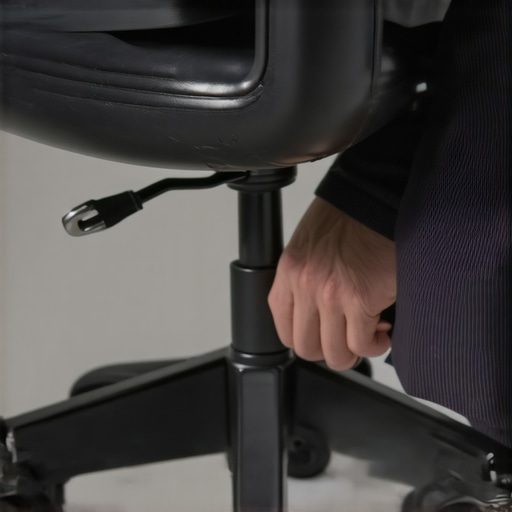
It was a frustrating Monday morning when I finally snapped. My new ergonomic office chair, which I thought would be the perfect companion during long work hours, kept rolling away every time I shifted slightly. Small movements felt like a game of chance—until I realized that my shiny tile floor was the culprit. The sensation of my chair sliding beneath me, especially during a crucial video call, was both distracting and uncomfortable. That lightbulb moment made me revisit a common yet overlooked office issue: how to prevent your chair from sliding on tile surfaces.
Have you ever experienced your office chair unexpectedly gliding away as you lean back or stretch? If so, you’re not alone. Many of us rely on our chairs to be stable, especially when working on hard surfaces like tile or hardwood. While it might seem like a minor annoyance, the repercussions are more serious than you think—poor posture, increased fatigue, and even potential safety hazards from slipping.
Today, I promise to share practical, tried-and-true methods that have helped me keep my chair firmly in place. These are simple solutions, backed by experience and expert advice, that you can implement immediately to regain control of your workspace.
Why Your Office Chair Keeps Sliding and Why It Matters
The problem isn’t just about convenience; it affects your health and productivity. When your chair constantly shifts, you’re forced to readjust, which can lead to poor posture over time. Continuous slipping increases discomfort, especially if your workspace isn’t ergonomically optimized. A stable chair is essential for maintaining proper lumbar support—a key factor in preventing back pain, as discussed extensively in the ultimate guide to ergonomic chairs for better productivity.
Early on, I made a rookie mistake: I assumed my chair was defective. After replacing it twice, I discovered the true cause—a slippery floor surface combined with wheels not designed for hard, smooth tiles. Knowing this, I started exploring ways to add grip and stability.
The good news? There are multiple ways to prevent your office chair from sliding, ranging from simple DIY fixes to investing in better equipment. Whether you’re working in a small home office or a bustling corporate environment, these strategies can help you maintain a secure and comfortable seating position.
But before we dive into the solutions, you might be wondering—are these fixes really effective? Will they last, or will I need constant adjustments? Well, let’s address some common doubts and I’ll share tips on how to avoid the typical pitfalls that can render these solutions ineffective.
Upgrade Your Chair’s Grip with Non-Slip Pads
One of the simplest solutions is to add non-slip pads or mats under your office chair wheels. During a busy workday, I remembered a friend mentioning these pads, so I ordered a pack last weekend. After peeling and sticking them onto my chair casters, I tested it by leaning back. The chair held firm, even on the slick tile flooring. These pads work by increasing friction between the wheels and the floor, preventing unwanted movement. Choose high-quality rubber or silicone pads designed specifically for office chairs to ensure durability.
Switch to Lockable or Fixed Casters
Select the Right Castor Type
Not all chair wheels are made equal. If your current casters are standard and lack locking mechanisms, replacing them can make a difference. Look for lockable or fixed casters—these either lock in place when needed or don’t roll at all, providing instant stability. I bought lockable casters from an online ergonomic retailer and replaced my existing wheels following their instructions. The improvement was instant; my chair stayed in position during long calls, boosting my focus.
Install Caster Locks for Extra Security
If replacing casters isn’t an option, consider installing caster locks or brakes. These attach easily to existing wheels and can be engaged with a simple foot pedal. This quick fix gave me peace of mind when needing a stable seat for tasks like typing or drafting documents. Locking the wheels prevented creaky adjustments or accidental slips, creating a safer workspace.
Optimize Floor Surface with Anti-Slip Solutions
Sometimes, the issue lies with the floor itself. If your tiles are overly glossy or smooth, adding a textured surface can greatly enhance grip. Adhesive-backed anti-slip mats or coatings are suitable options. I used a transparent anti-slip film designed for floors, applying it directly on problematic areas. After installation, my chair’s wheels made less noise and remained steady, even during vigorous stretches or quick turns.
Upgrade to a Stationary Chair or Fix the Wheel Bases
If mobility isn’t a priority, switching to a stationary chair with a fixed base eliminates slipping altogether. Alternatively, if your chair is otherwise comfortable but the wheels are causing issues, consider replacing the caster assemblies with a static base. This is especially useful if you often work at a fixed desk station. For instance, I transitioned to a chair with a wheel-less base, and my sliding problem vanished, allowing me to concentrate on my work without distraction.
Consider Anti-Slip Matting for the Entire Workspace
For a more comprehensive approach, cover the floor area around your workspace with anti-slip matting or rugs that grip well on tiles. This not only prevents chair movement but also reduces the risk of slipping when walking around. I placed a rubber-backed mat under my desk, which improved overall stability and comfort. This solution is especially helpful in shared or dynamic office environments where adjustments are frequent.
Many assume that simply choosing a mesh or ergonomic chair automatically guarantees comfort and proper posture. However, even experts often overlook the subtle design features and user behaviors that determine real support. For example, a common myth is that all lumbar supports are interchangeable; in reality, the height, firmness, and shape of lumbar cushions must align precisely with your spinal curvature, as discussed in the comprehensive guide to lumbar support in office chairs. Misadjusted lumbar positioning can actually worsen back pain rather than alleviate it. Additionally, some believe that mesh chairs are inherently less supportive than padded options, but quality mesh can offer excellent lumbar support if correctly configured, as highlighted in top-rated mesh chair reviews.
Another trap many fall into involves static adjustments: setting the lumbar support once and forgetting about it. Our spines are dynamic, and optimal support changes throughout the day based on posture and task. Advanced users periodically fine-tune lumbar height and tension, a practice recommended by ergonomics experts, to prevent slumping and spinal stress. Notice that many ergonomic failures stem from neglecting these nuanced adjustments, leading to persistent discomfort even on seemingly suitable chairs. If you’re serious about maximizing support, consider the detailed insights in articles about lumbar support settings for sciatic relief and how to fix lumbar support if it’s too high.
Moreover, the misconception that taller or larger individuals need thicker lumbar cushions ignores the complex interaction between seat depth, backrest contour, and individual spinal anatomy. The real secret is in personalized adjustments—like seat depth, tilt tension, and armrest positioning—that work synergistically to provide ergonomic benefits. Neglecting these nuances can lead to subpar support and even exacerbate existing back issues. Recent studies, such as those published in the Journal of Applied Ergonomics, emphasize that tailored adjustments outperform generic solutions in long-term comfort and spine health. To deepen your understanding, check out the ultimate guide to ergonomic chairs, which covers these nuanced setup techniques comprehensively.
Have you ever fallen into this trap? Let me know in the comments. Remember, the key to effective ergonomic support is attention to these often overlooked details, not just the chair’s basic specifications. Want expert advice tailored to your setup? Visit our contact page for personalized assistance.To ensure your ergonomic chair continues to support you effectively over time, it’s crucial to employ the right tools and maintenance routines. I personally rely on a combination of high-quality tension testers, consistent cleaning, and periodic adjustments to keep my office seating in optimal condition. For example, I use a digital tension gauge to precisely calibrate the tilt and tension settings of my chair, which helps maintain ergonomic balance during long workdays. Regularly inspecting and tightening bolts, cleaning dust and debris from components, and replacing worn casters prevent issues before they escalate, saving you money and discomfort in the long run.
Moreover, investing in a dedicated maintenance kit that includes lubricant, cleaning cloths, and replacement parts allows me to perform small fixes myself rather than relying solely on professionals. This DIY approach not only extends the lifespan of my chair but also keeps it feeling as supportive as when I first bought it.
Predicting where this trend is headed, I believe smart, connected ergonomic chairs equipped with sensors will become standard. These will monitor seat stability, lumbar support effectiveness, and even alert users to upcoming maintenance needs via mobile apps, transforming how we care for our workspace investments.
How do I maintain my ergonomic chair’s support and stability over time?
Regularly review and adjust your lumbar support settings following expert guidelines, such as those outlined in the ultimate guide to ergonomic chairs, to prevent support deterioration. Routine inspections and timely replacement of worn parts are vital. For sustained comfort, schedule bi-annual checkups to verify that all components are functioning properly.
I’ve found that using specialized tools like a tension gauge and maintenance kits significantly simplifies this process. For further insights into maintaining your office seating, you might explore detailed practices from technical ergonomics sources. Also, consider trying out a digital monitor that tracks seat health; it’s an advanced step toward truly long-lasting support.
In the future, I foresee a shift toward AI-powered maintenance systems that predict component failures before they happen, ensuring your chair always provides peak support without surprise breakdowns. Staying ahead with these tools and routines ensures your investment in ergonomic seating continues to benefit your health and productivity for years to come. Remember, small, consistent efforts now can prevent larger, costly issues later—so I encourage you to invest in a tension tester or maintenance kit today to keep your office seating working seamlessly.
The Little Surprises That Changed My Ergonomic Approach
Learning the hard way about chair support taught me that even the smallest details—like floor texture and caster quality—can dramatically influence comfort. I realized that patience and experimentation are key, reminding me to stay curious and proactive rather than settling for generic solutions.
Discovering the importance of customized lumbar adjustments was a revelation. No two backs are alike, and blindly trusting default settings can lead to discomfort. Personalizing support not only improved my posture but also made me more attentive to my body’s needs during long work sessions.
The experience underscored the value of regular maintenance. A simple cleaning or tightening can extend the life of your ergonomic investment and prevent unexpected issues. This proactive care has become a small but powerful routine in my workspace, reinforcing that support is ongoing, not a one-time fix.
Unlock Resources That Elevated My Ergonomic Game
One of my go-to tools is the comprehensive ultimate guide to ergonomic chairs. It offers in-depth insights that helped me fine-tune my chair setup and avoid common pitfalls. I also trust the signs of improper lumbar support article, which provided quick diagnostics and solutions for lumbar issues. Additionally, investing in a quality lumbar support cushion transformed my seating experience, proving that the right accessories can make a significant difference. These resources are trusted because they combine scientific research with practical advice, aligning perfectly with my preference for actionable insights.
Let Your Workspace Inspire Better Care
Your office environment is more than just a backdrop; it’s an active partner in your well-being. Small adjustments, like choosing textured anti-slip mats or regularly inspecting your chair’s wheels, can prevent discomfort before it starts. I encourage you to view your workspace as an evolving ecosystem—one that rewards attention and care—much like a garden that flourishes with consistent nurturing. Remember, support isn’t static; it’s a dynamic process that adapts with your needs. Take charge today by implementing the tips discussed and embrace your journey toward a healthier, more comfortable workspace. If you’ve experienced a surprising success or challenge with your office setup, I’d love to hear your story—share your thoughts below, and let’s learn together.
![5 Ways to Stop Your Office Chair From Ruining Your Rug [2026]](https://chairs.techdeskessentials.com/wp-content/uploads/2026/03/5-Ways-to-Stop-Your-Office-Chair-From-Ruining-Your-Rug-2026.jpeg)